
The brief…
As this was my major project for university the project begins with an open brief and this gave me an opportunity to look into a problem that I have personally been affected by my entire life! This problem being…
Asthma
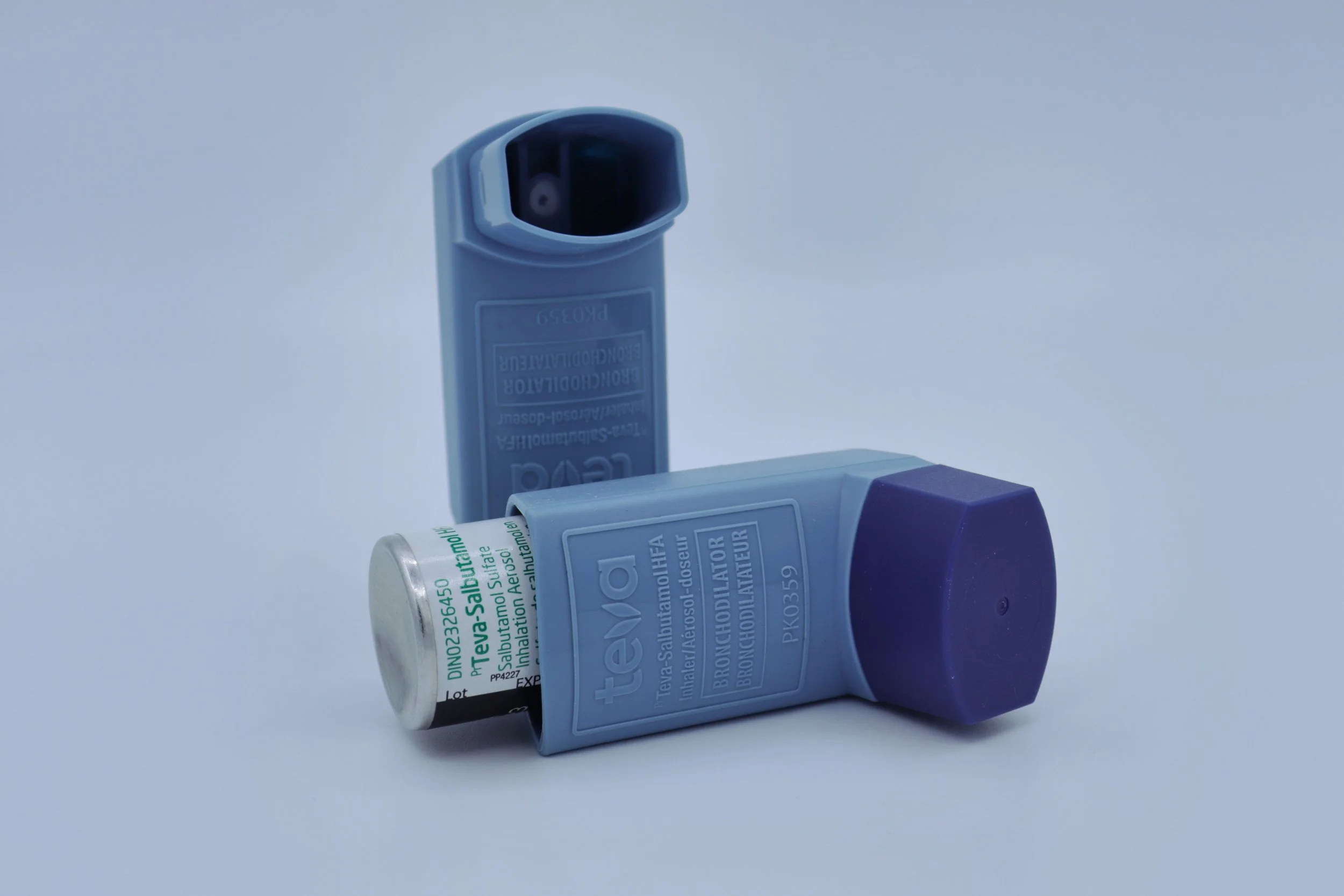
Approximately 5.4 million people are currently recieving treatment for asthma in the UK
Every ten seconds someone is potentially having a life threatening asthma attack in the UK
Inhalers are used incorrectly 70 to 90 per cent of the time
The NHS currently spends around £1 billion a year treating and caring for people with asthma
Researchers found that inhalers used to treat asthma contribute 3.9% of the NHS’ carbon footprint

The product should be considered as an improvement on current inhalers for the ease of use and ability to receive an effective dose of medication
The product should address the current sustainability concerns and come up with an improved solution which ensures less carbon emissions
The product should aim to lessen the stigma of asthma medication being too ‘uncool’ or ‘not worth the patients time’
The products estimated annual quantity for the first year of production should be approximately 500,000 units
The products expected price point should be within the range of £15-25
The product should be portable, potentially small enough to comfortably fit within a pocket
The product should be designed for the NHS, as they will be our main supplier
The requirements…
N.B. Facts and figures from Asthma UK, the NHS and research done at Cambridge/Nottingham Trent University
And for more in depth research and a closer look at my full design brief follow the links below:
Ideation and Concept…
A large amount of research was already done before this stage but it was very important for me to get a full understanding of my user. This included creating personas, empathy maps and mood boards; from this information I was able to create a set of user requirements which I would use throughout the project to ensure I was sticking to the task set out.
From there I began to put pen to paper on three unique design directions that could solve my problem, these concepts be seen below…
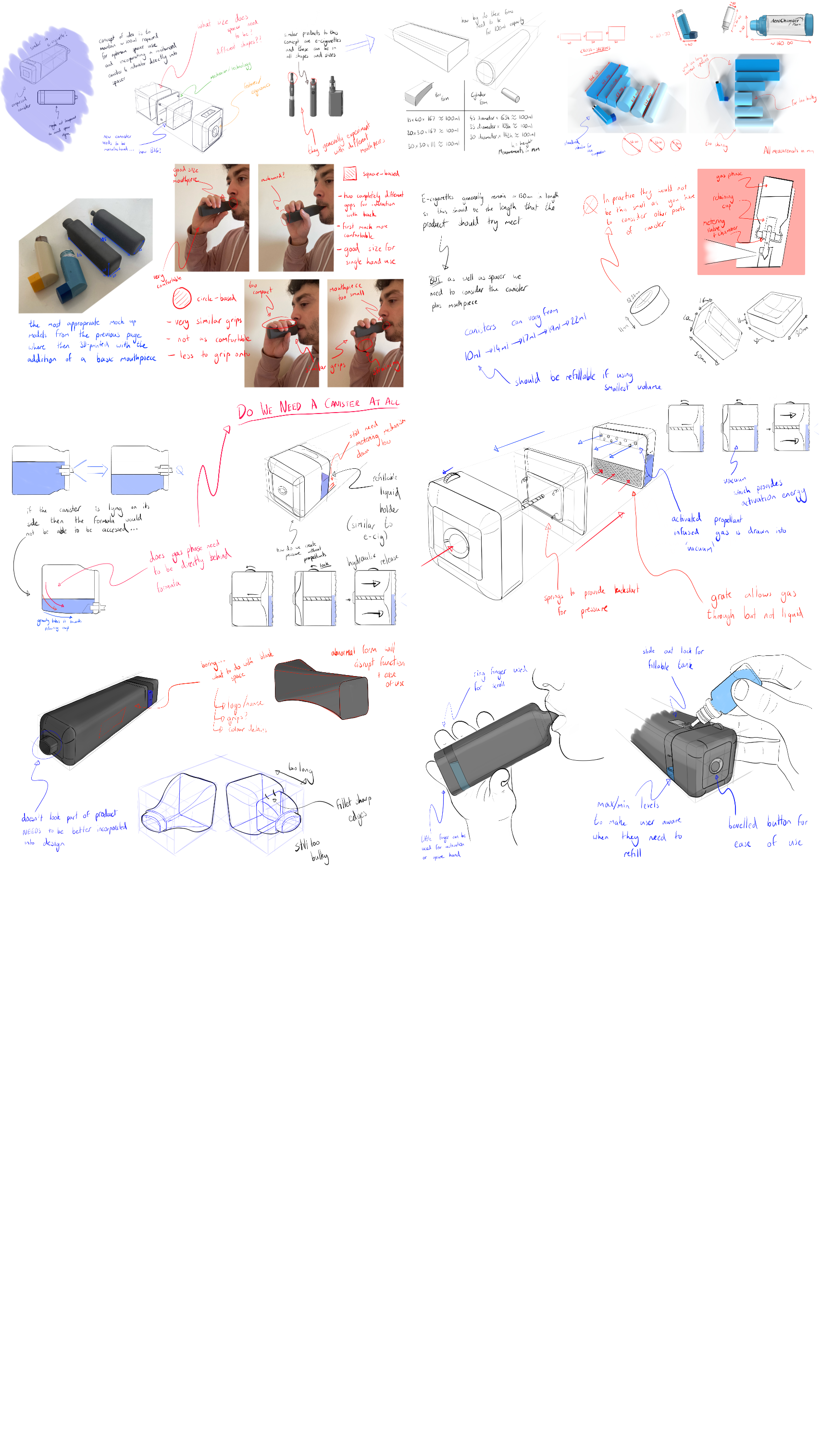


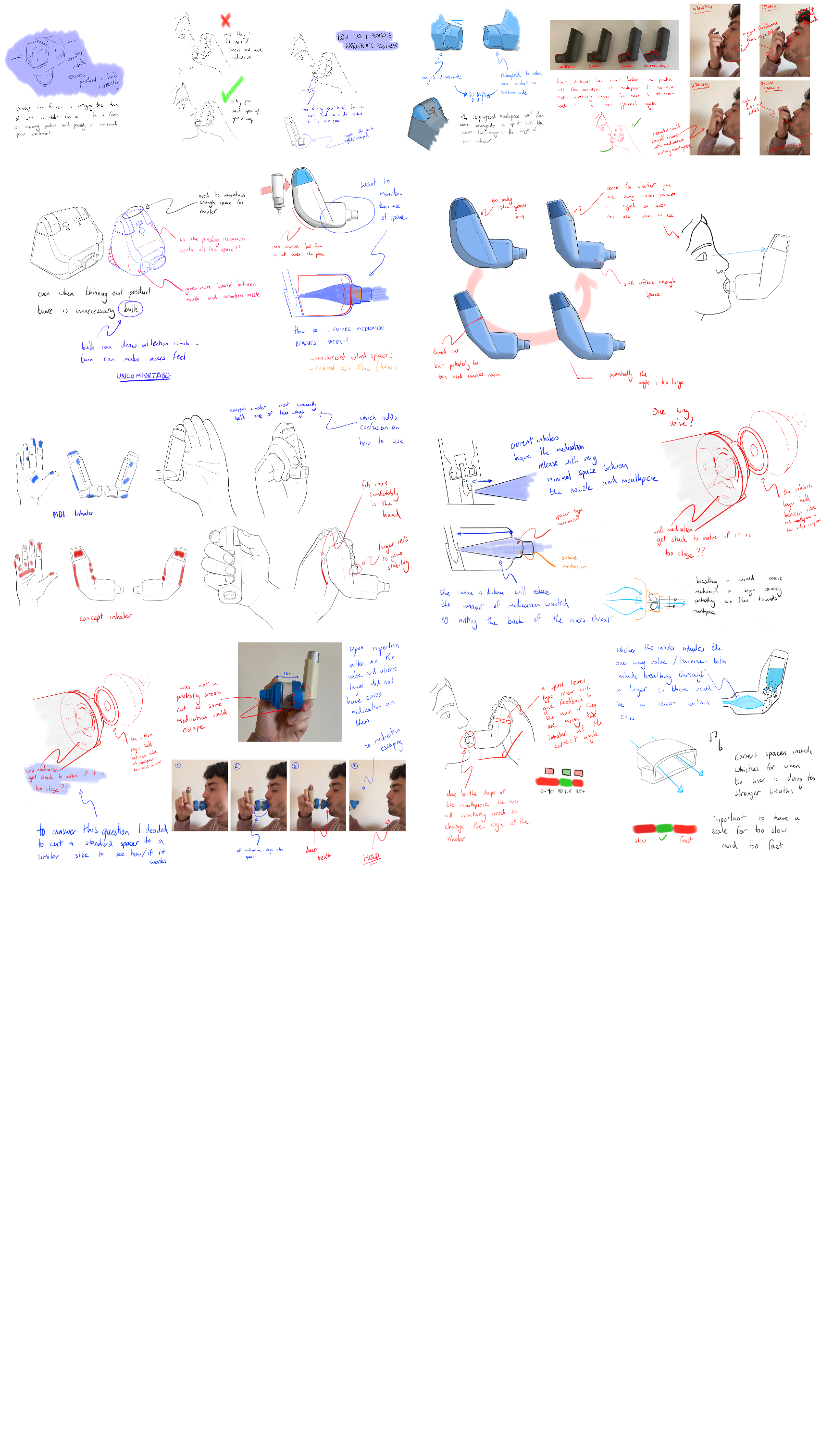

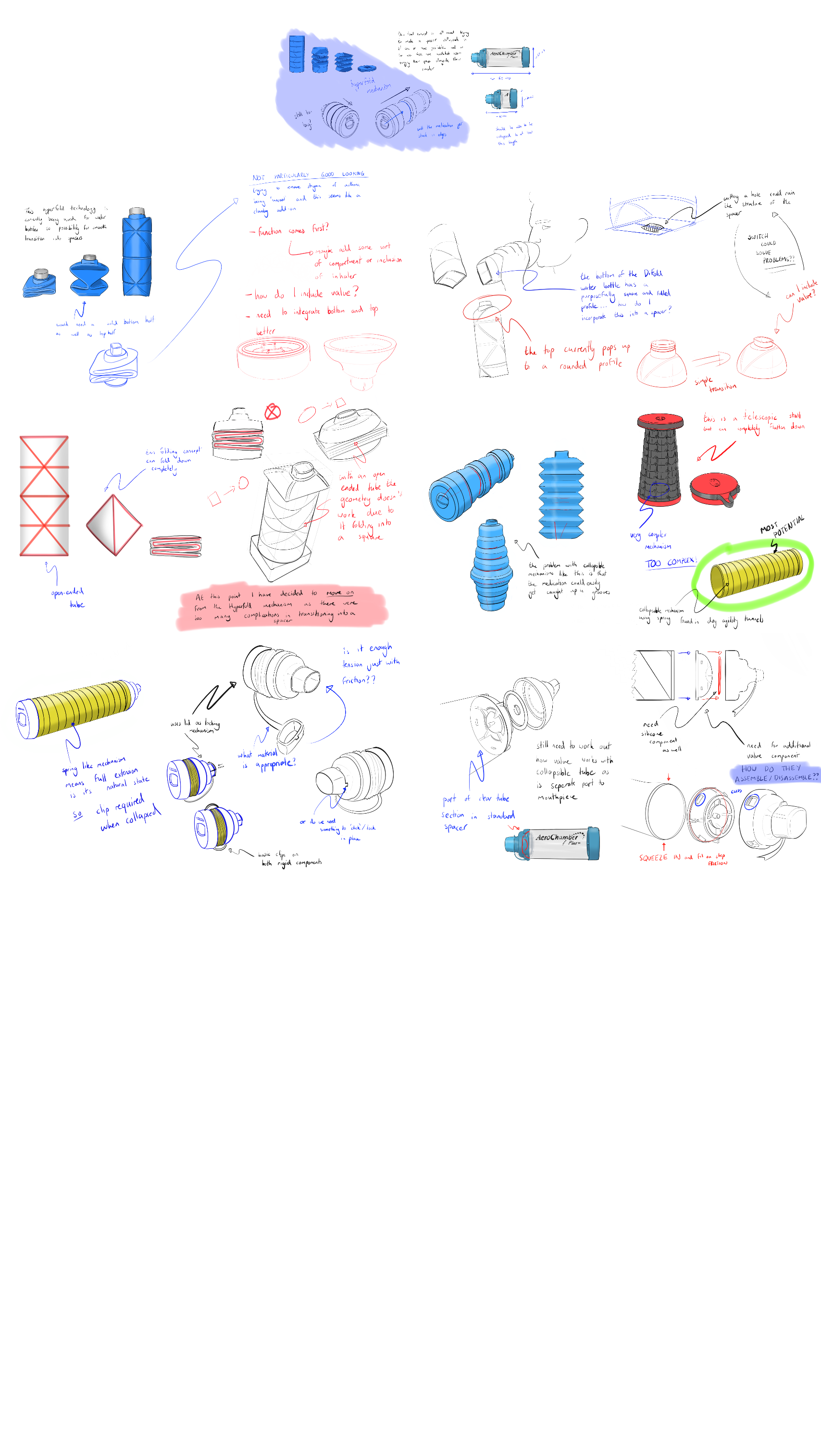

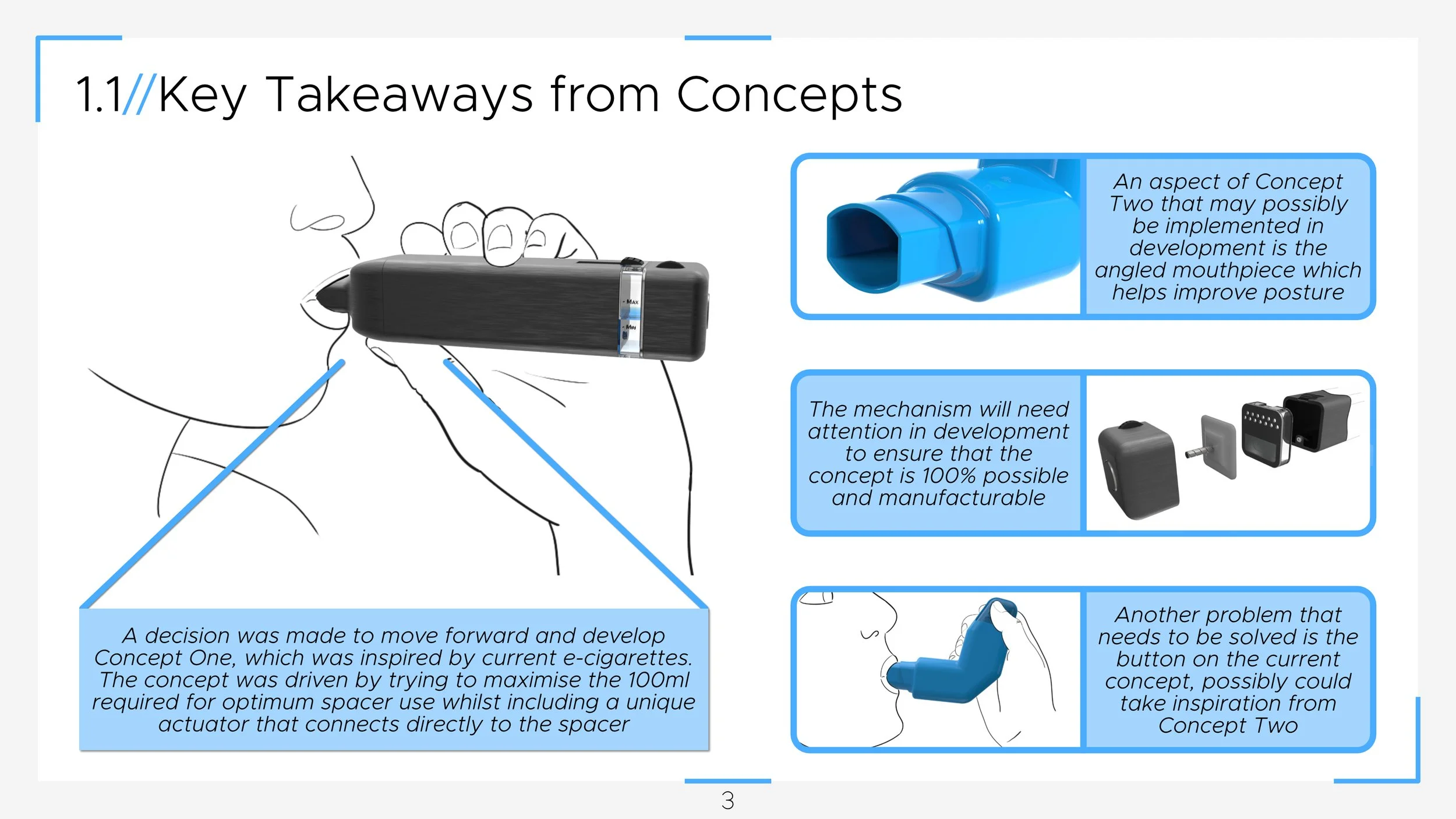
These three concepts where then evaluated using both the personas and user requirements to determine which was the strongest direction to take. The best solution seemed to be concept one, so that became the design direction moving forwards into the Development and Refinement section…
For a more in depth look at the full Ideation and Concept stage you can click on the link below…
Development and Refinement
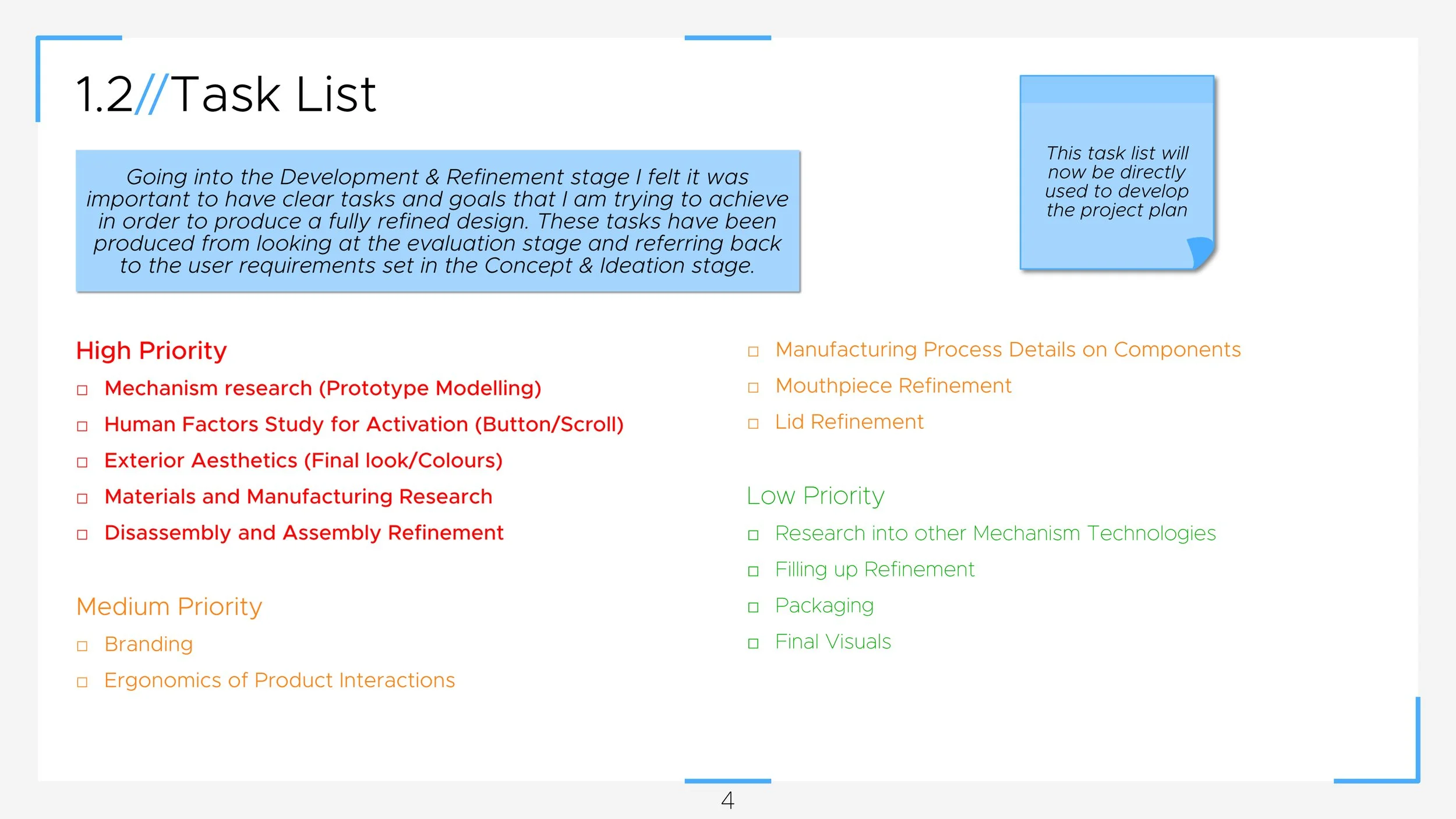
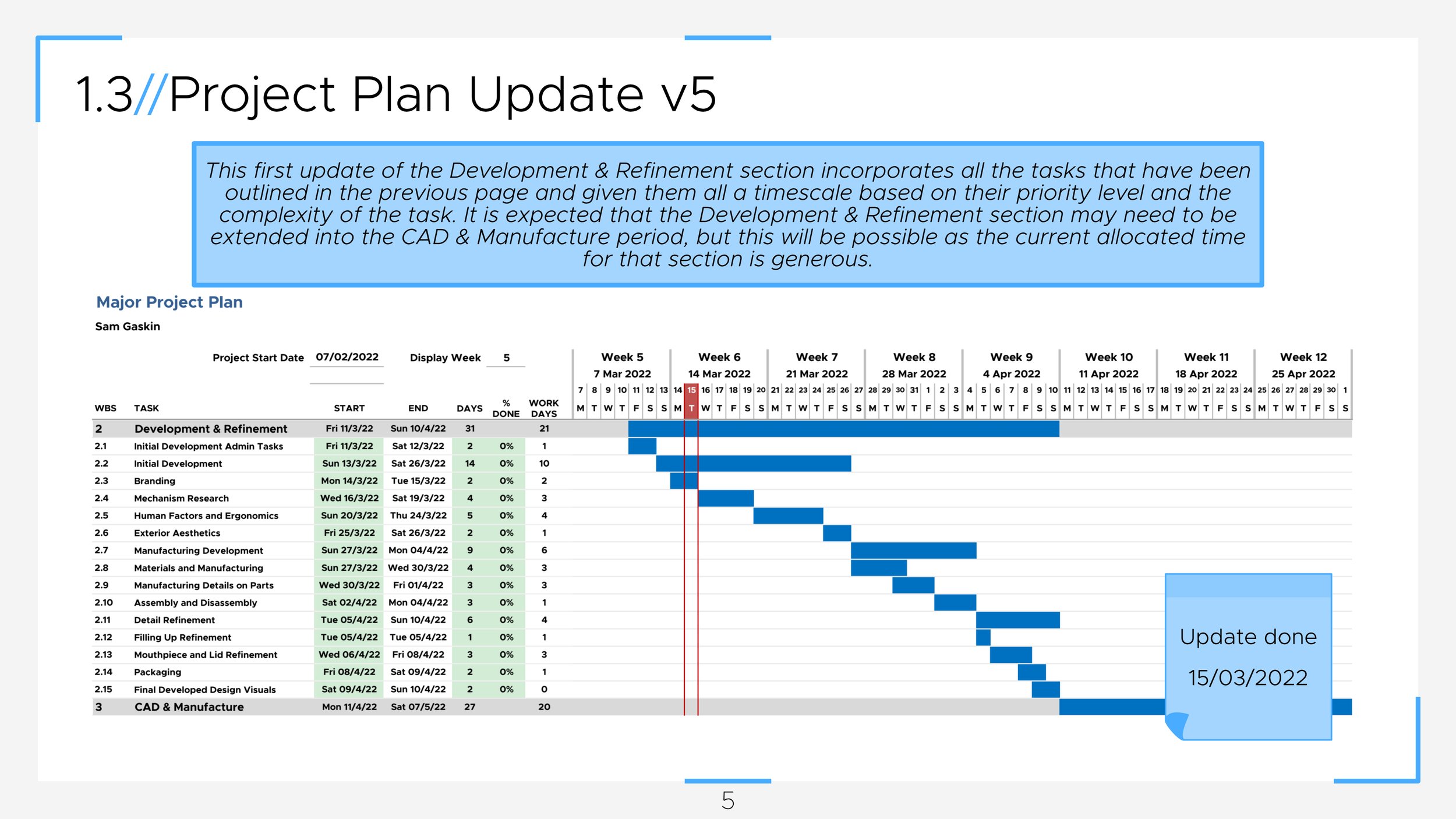
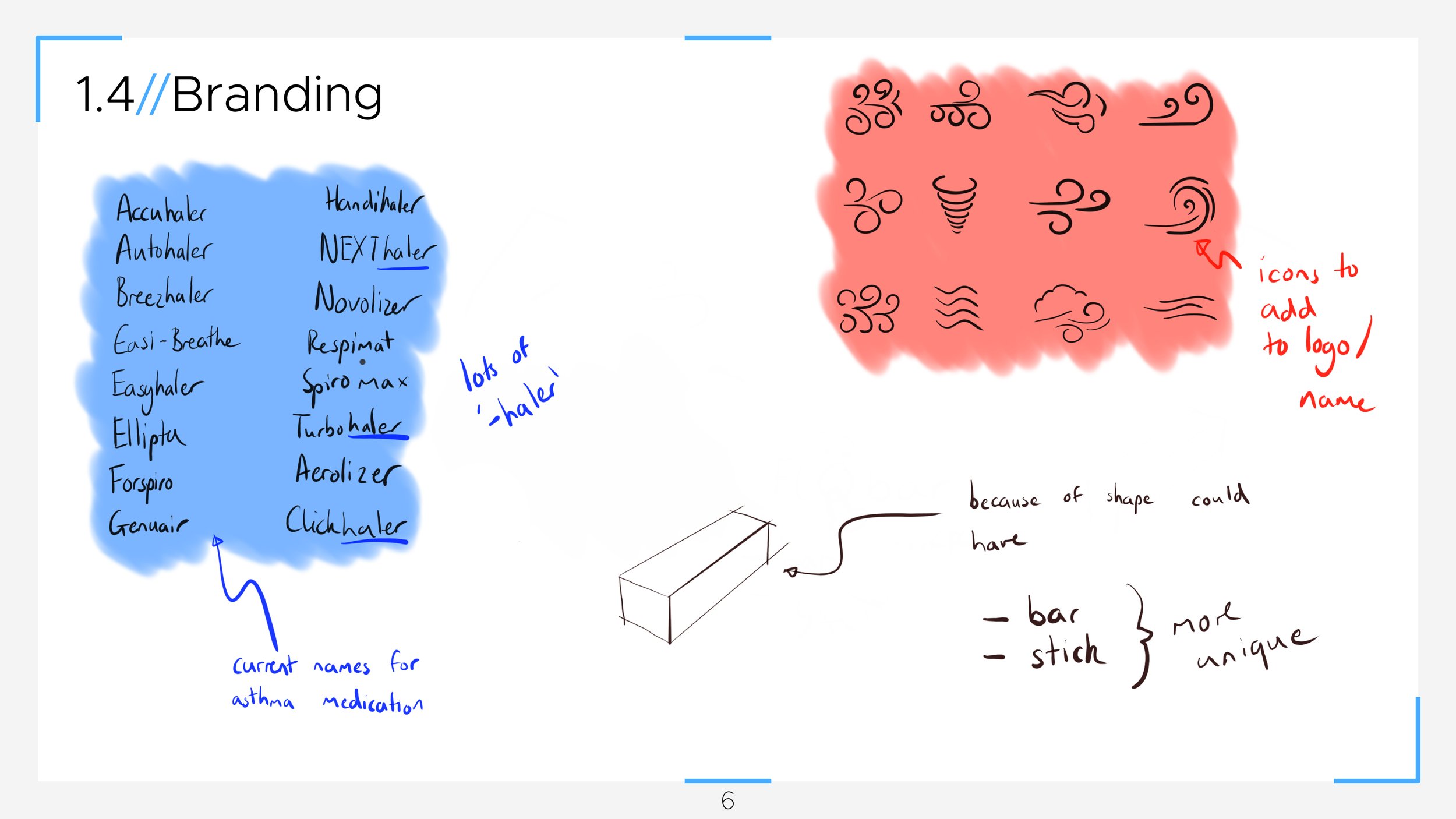
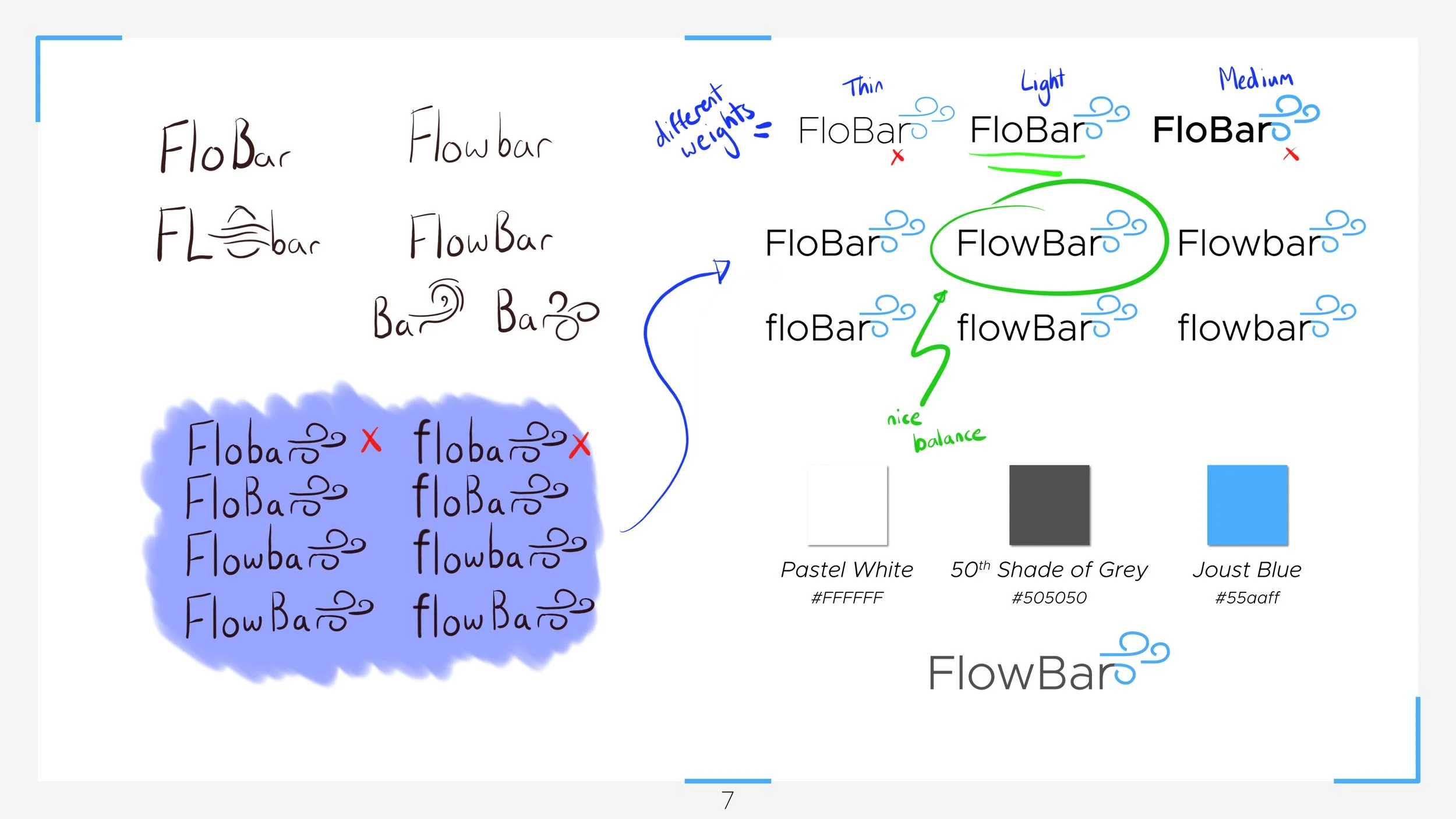
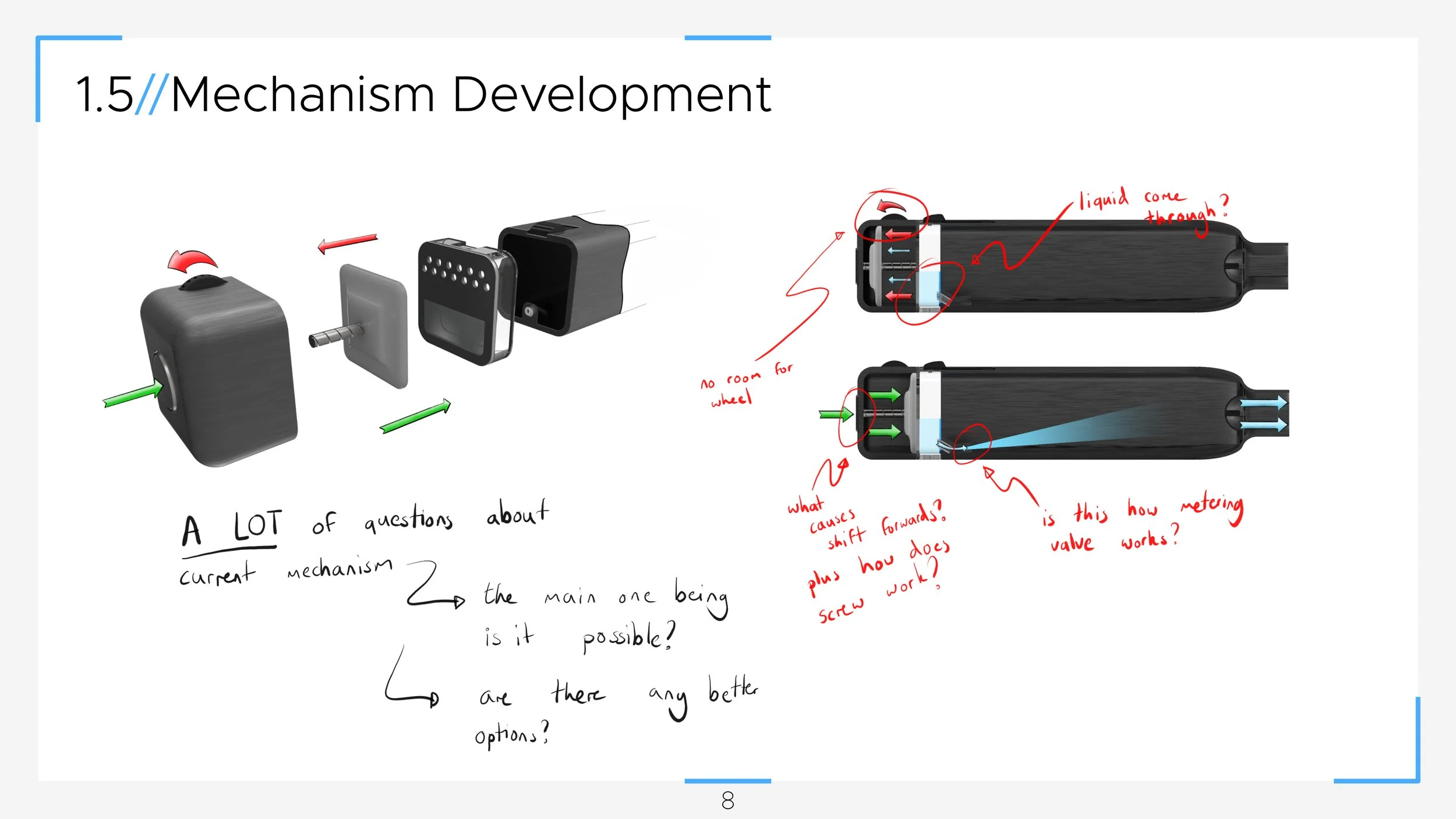
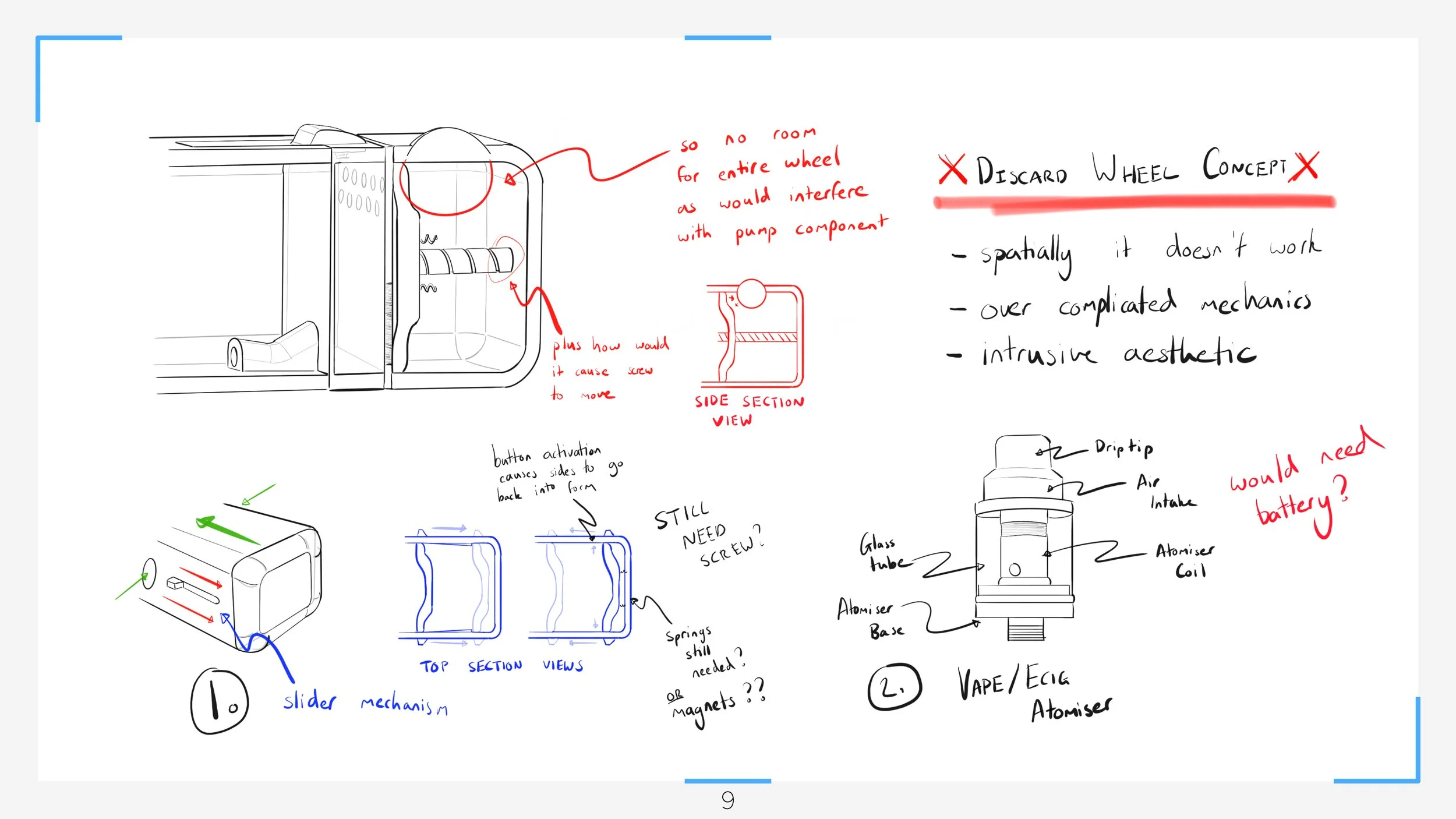
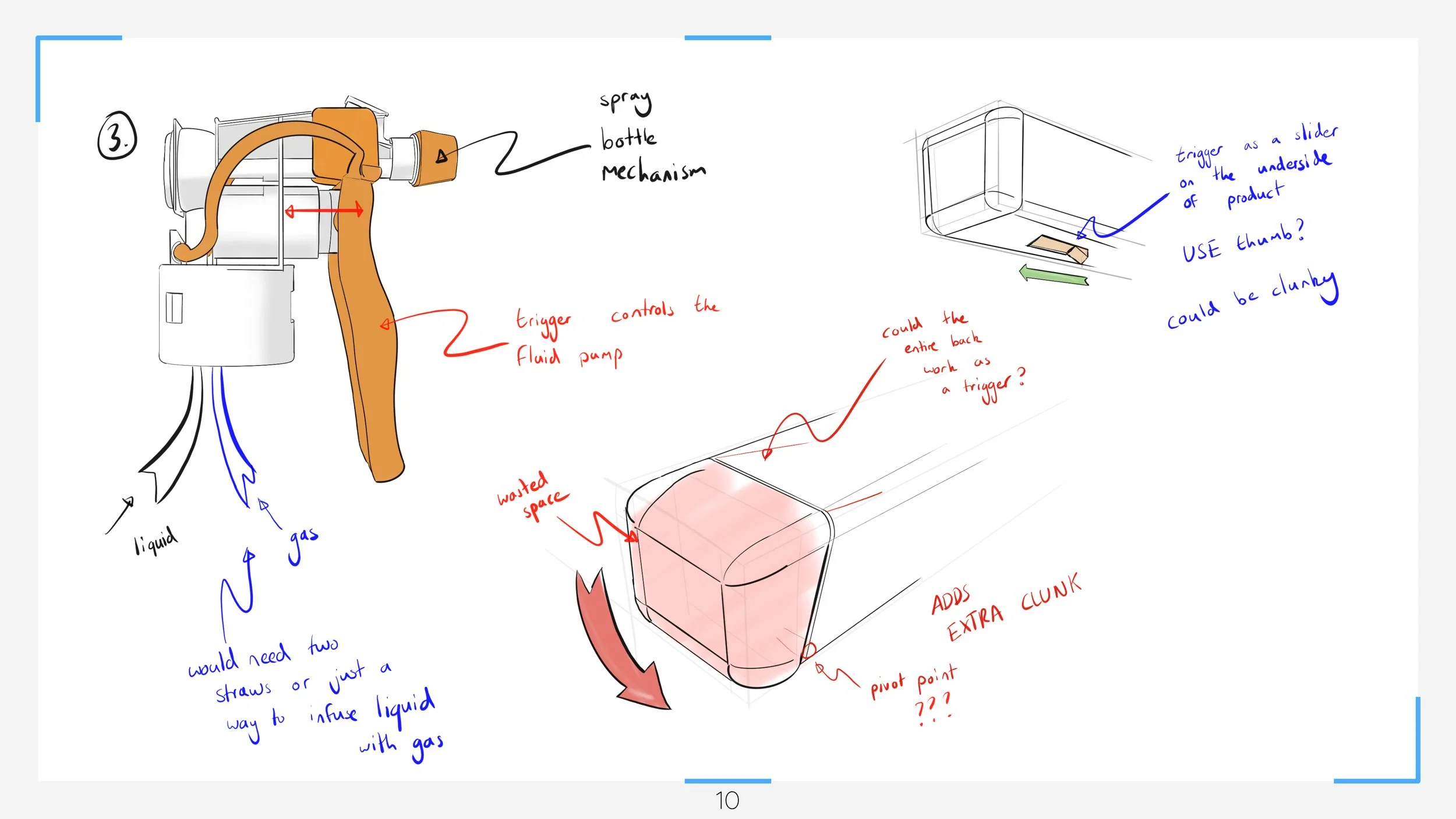
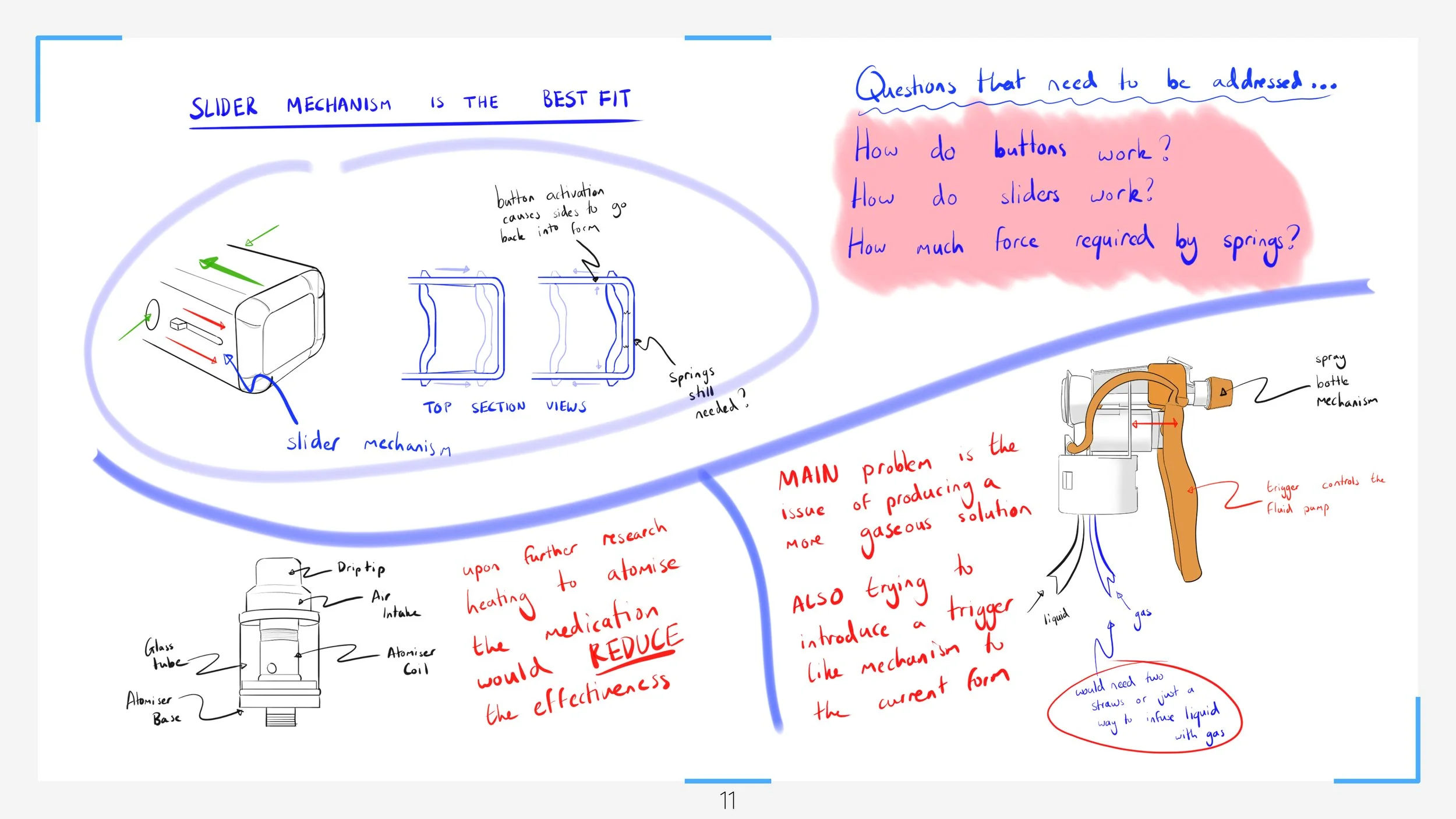
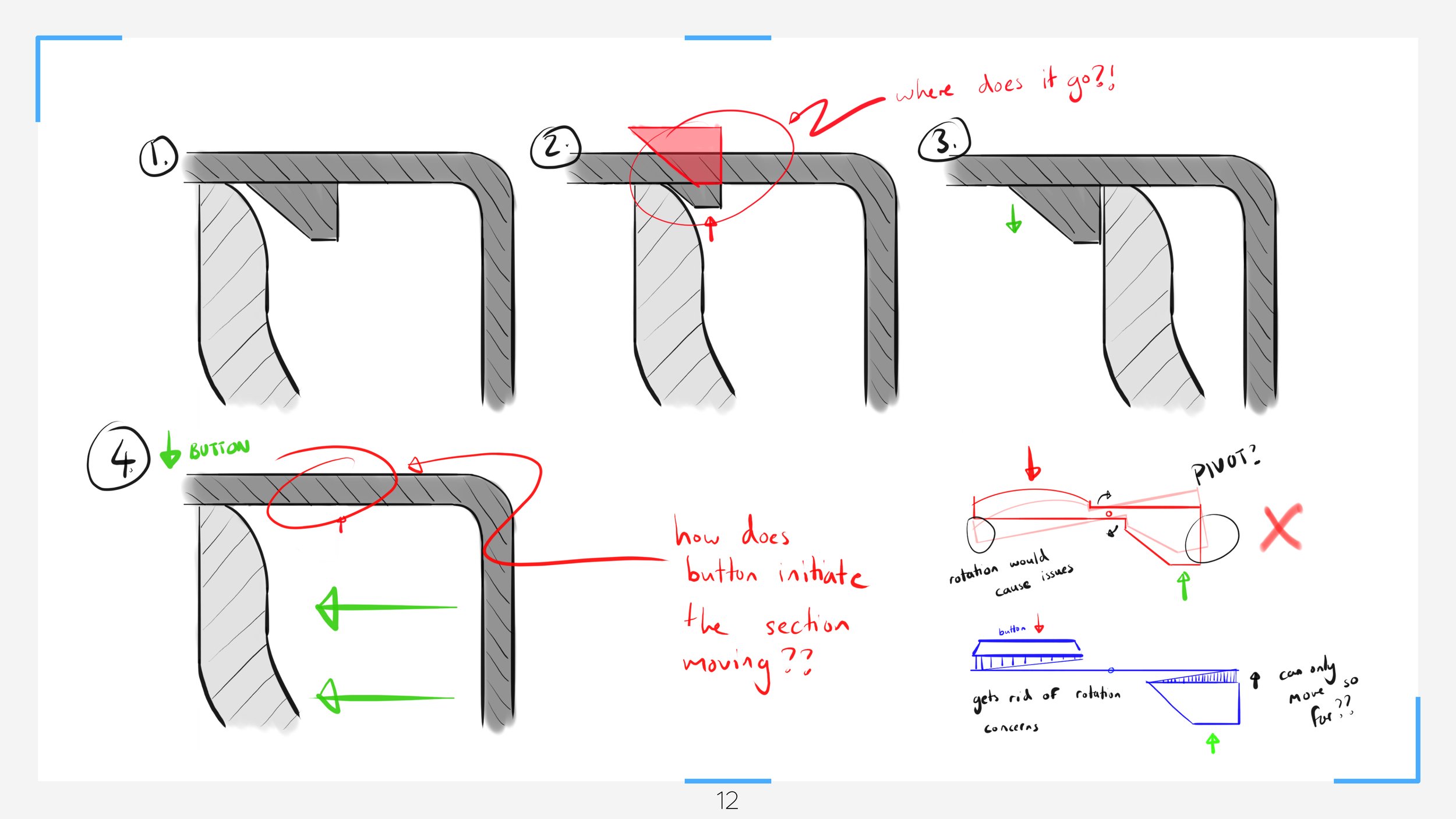
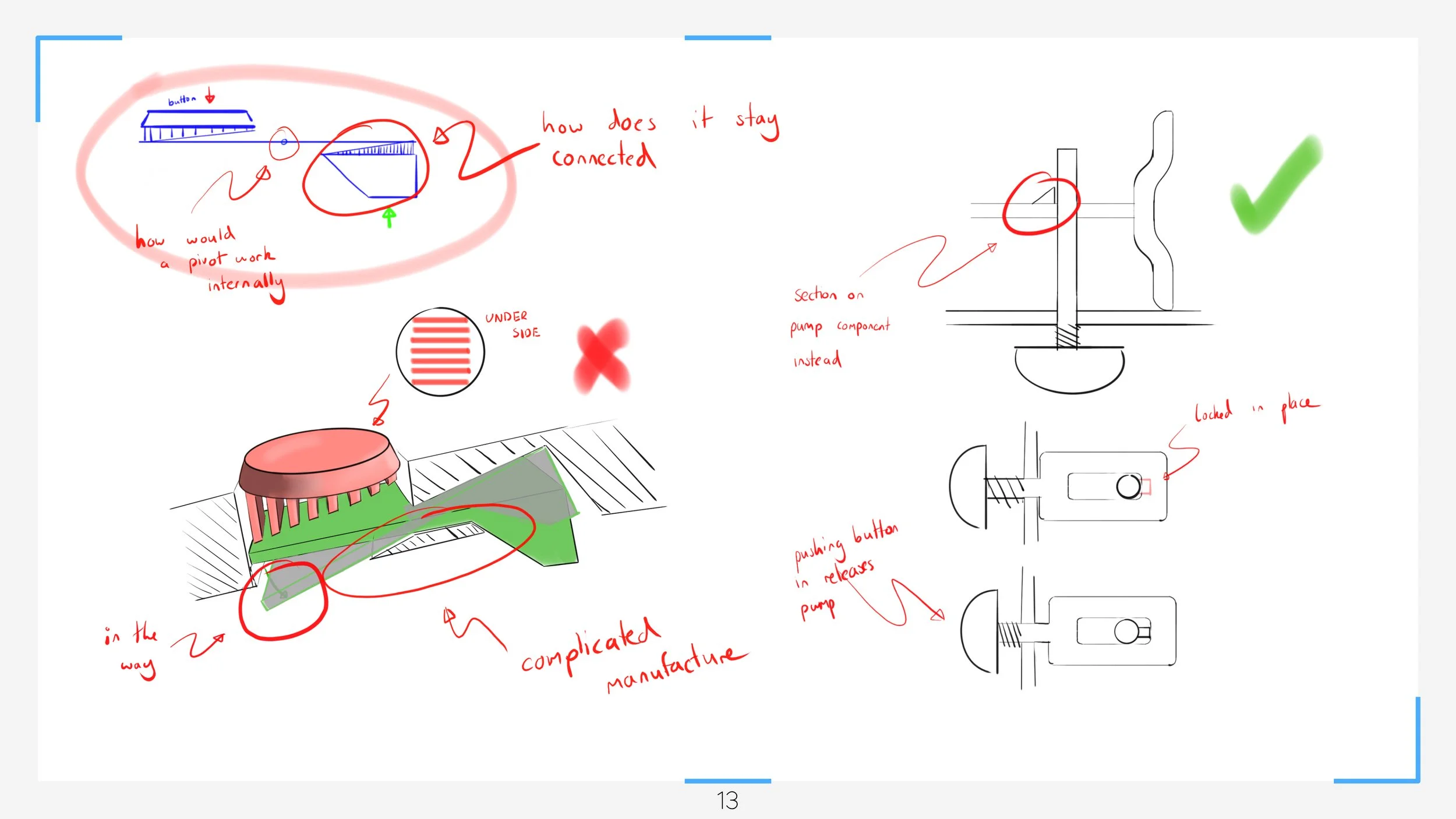
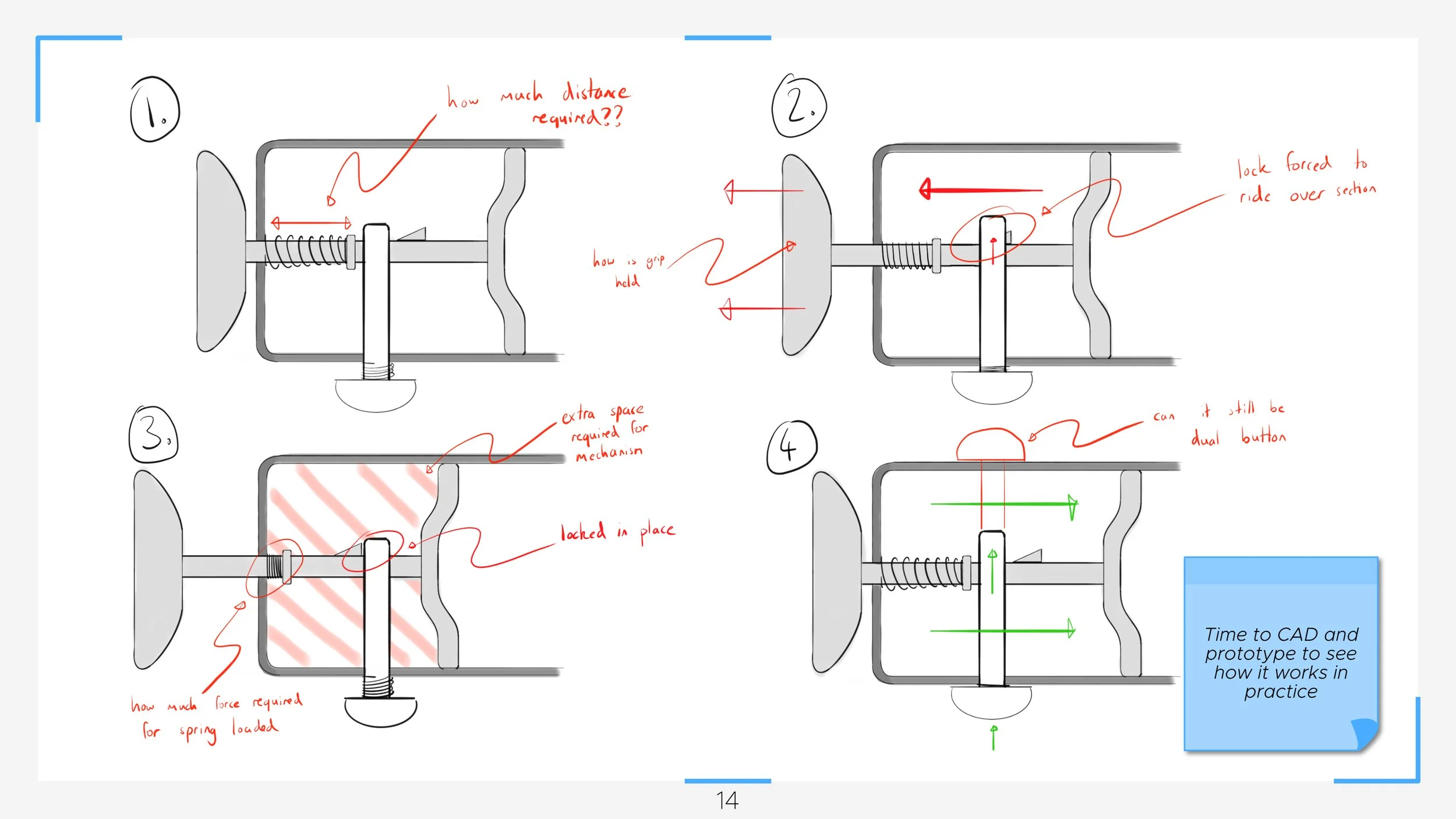
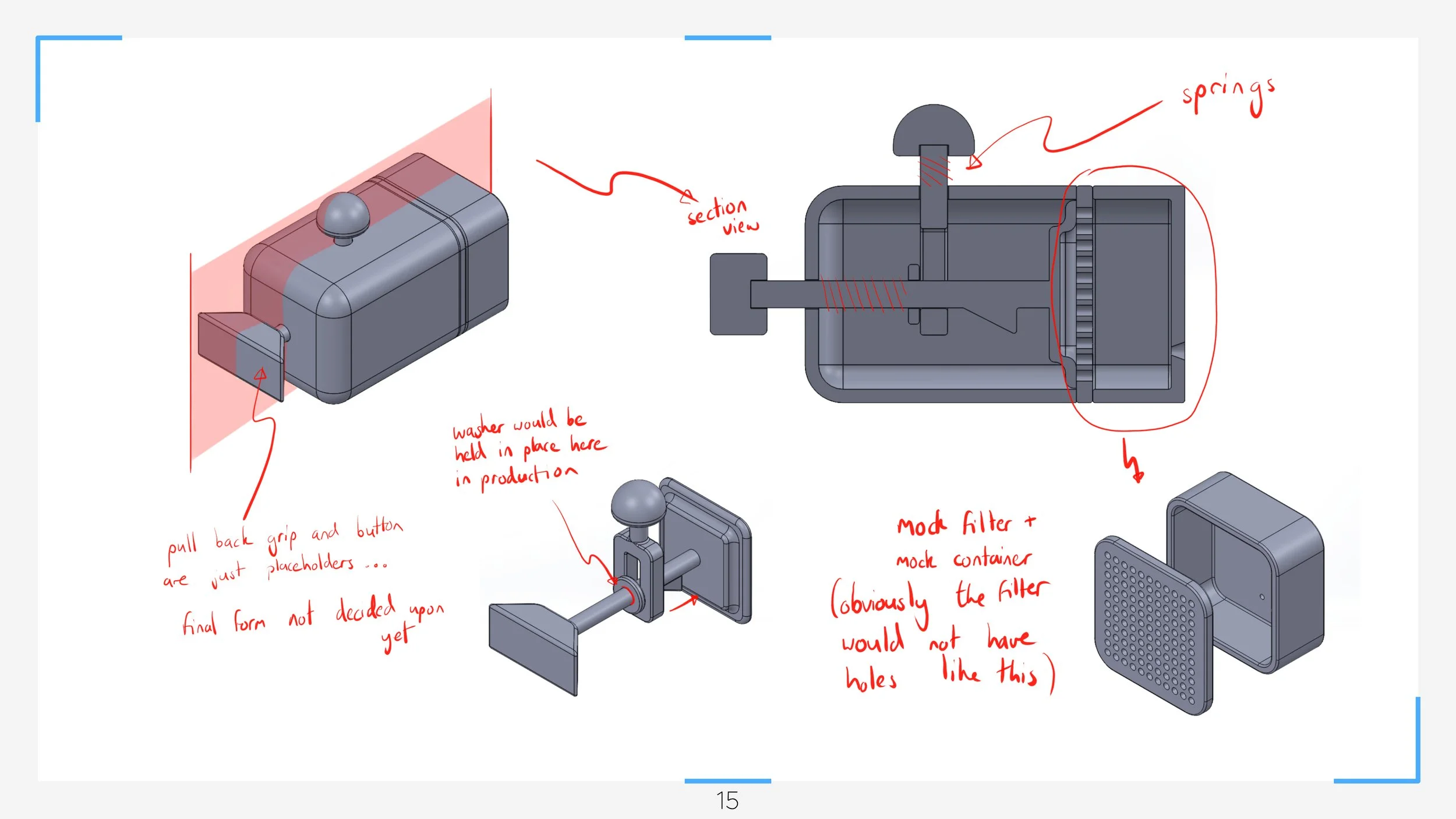
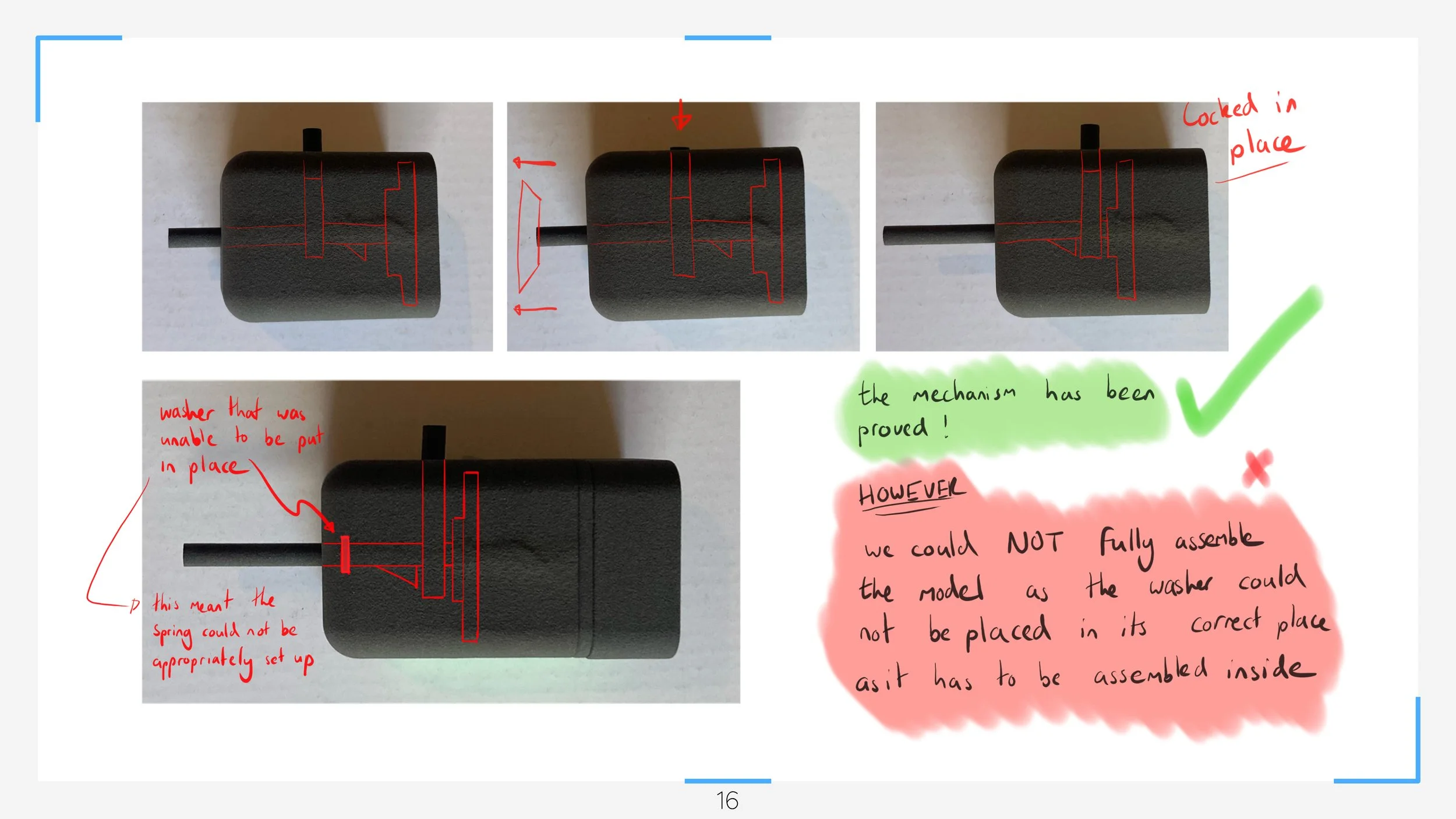
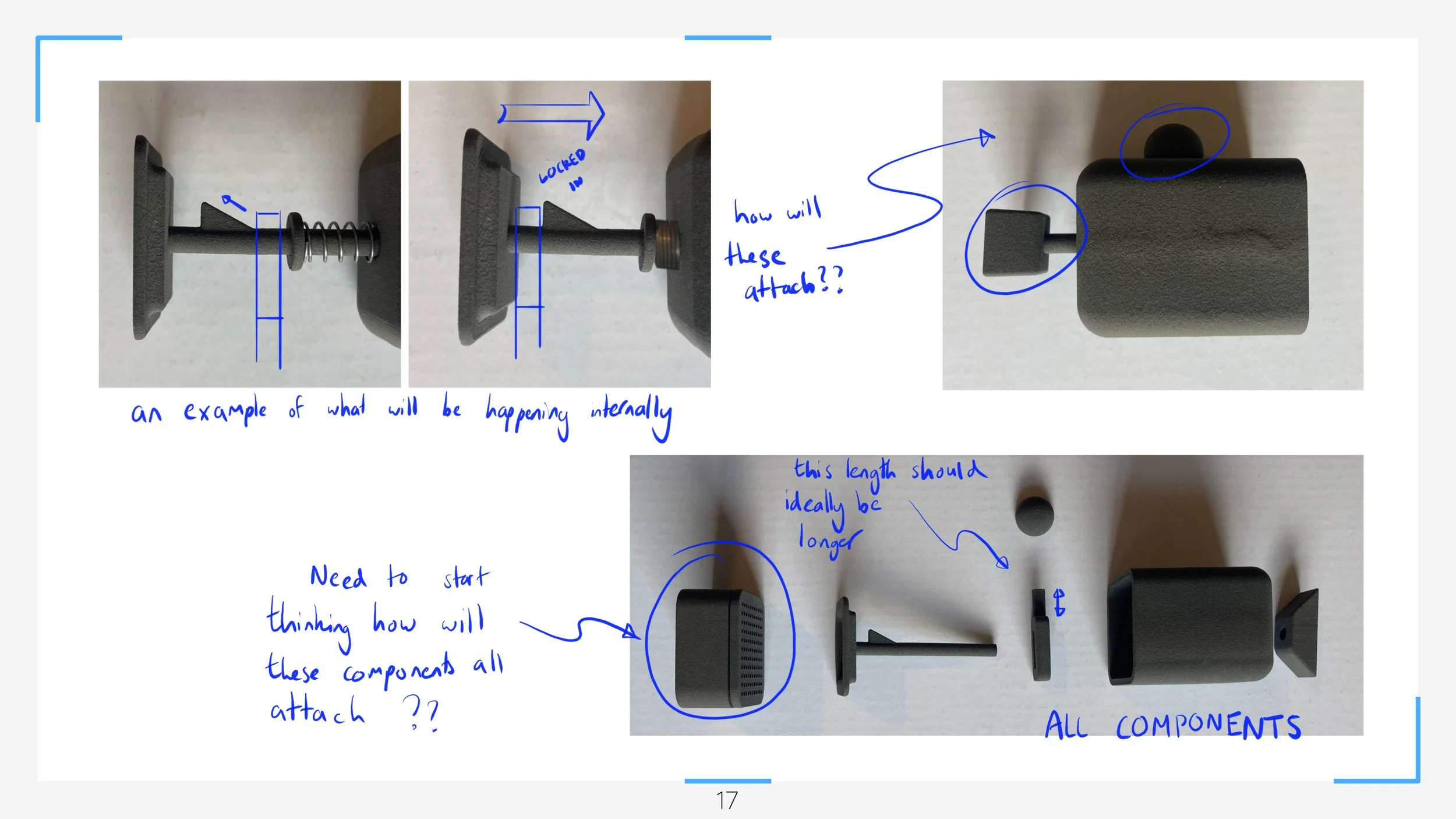
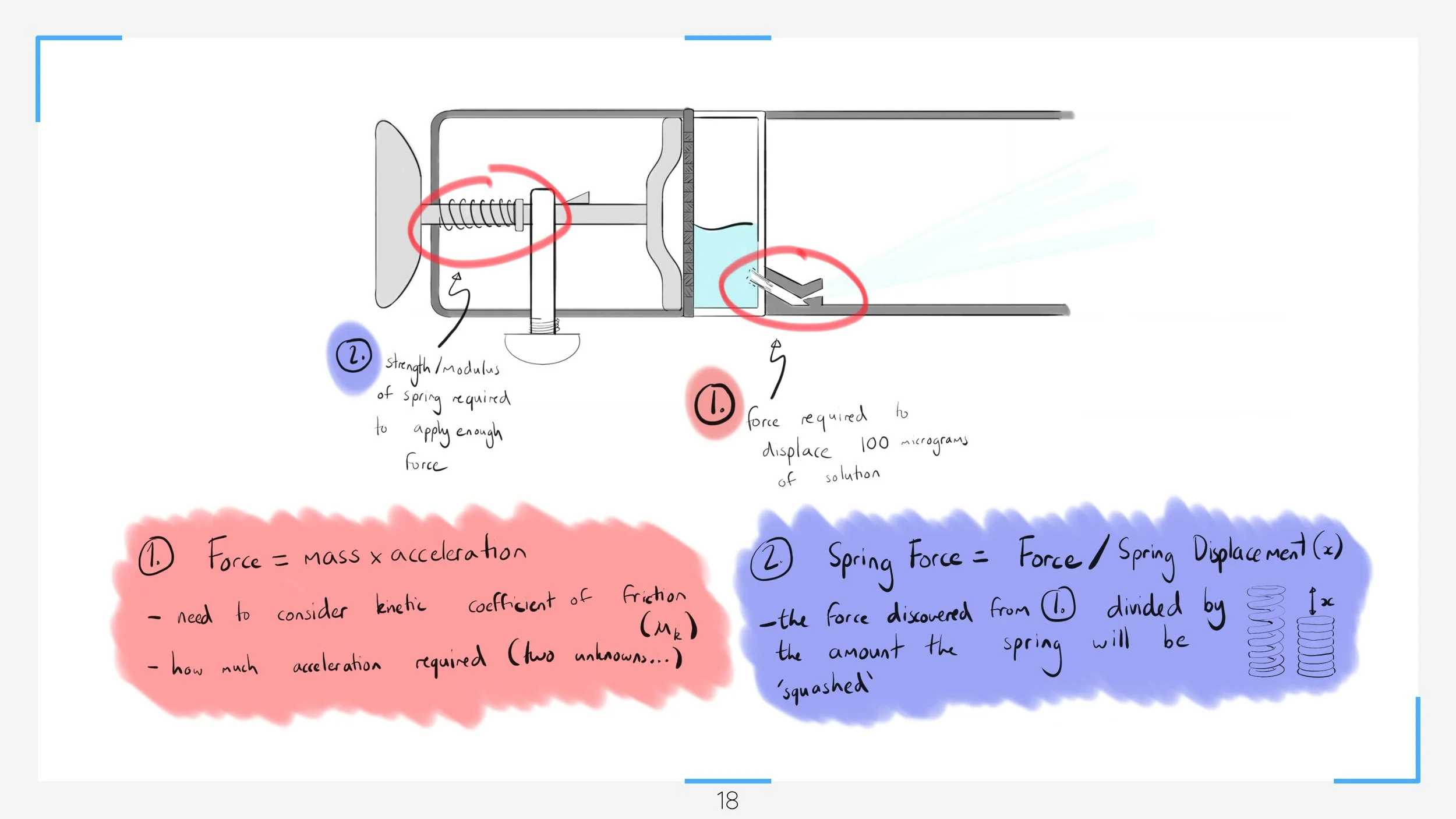
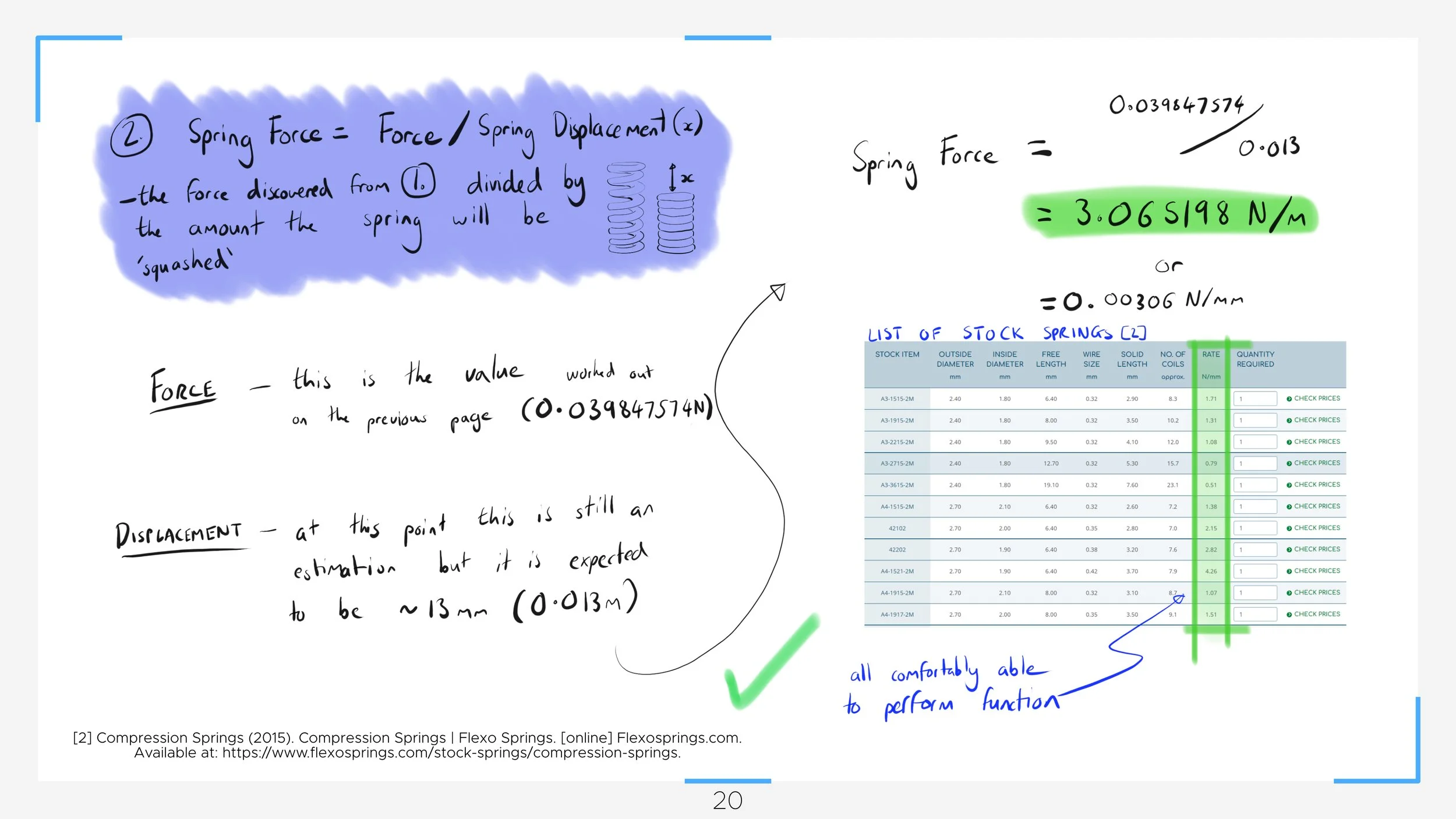
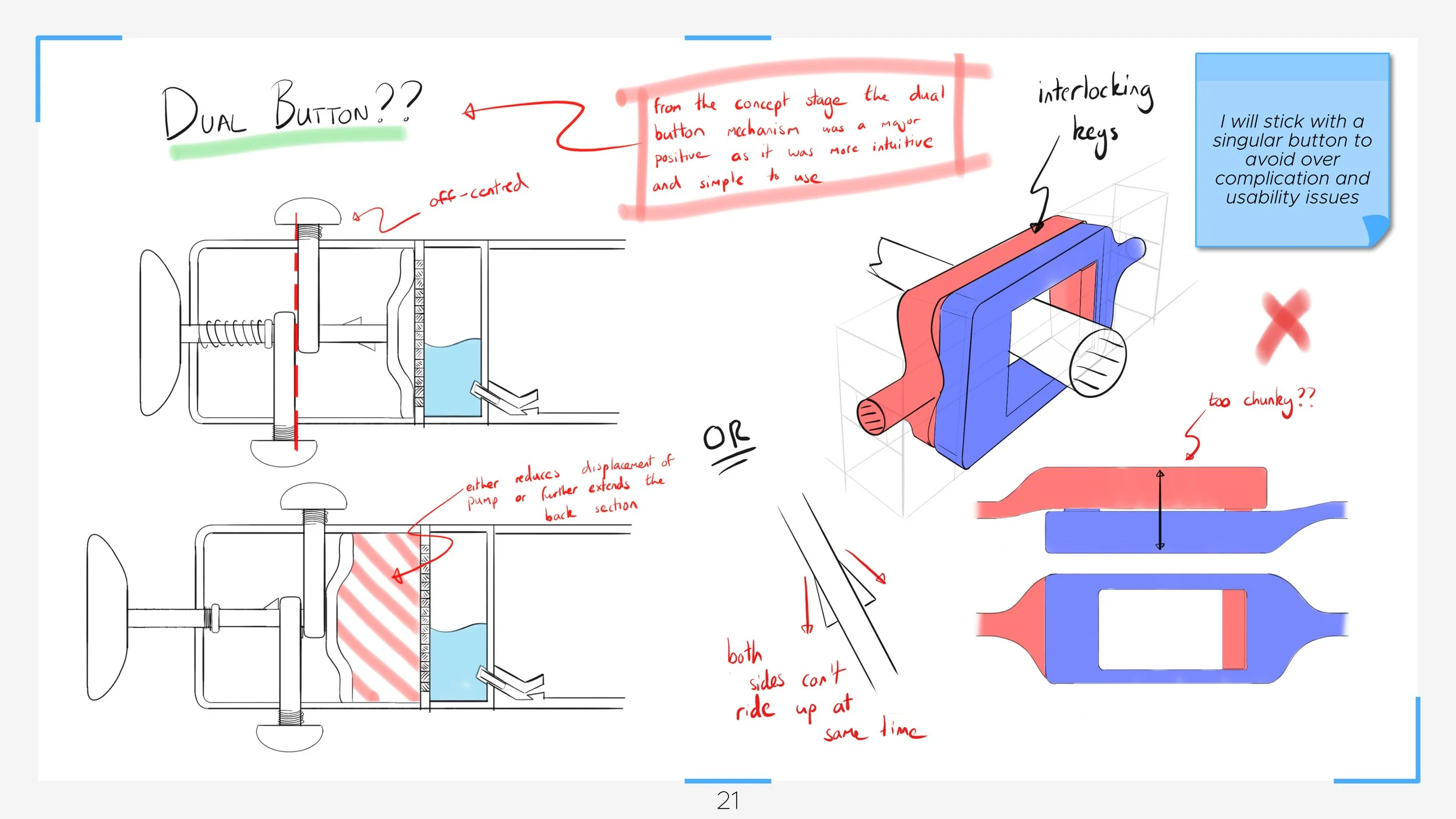
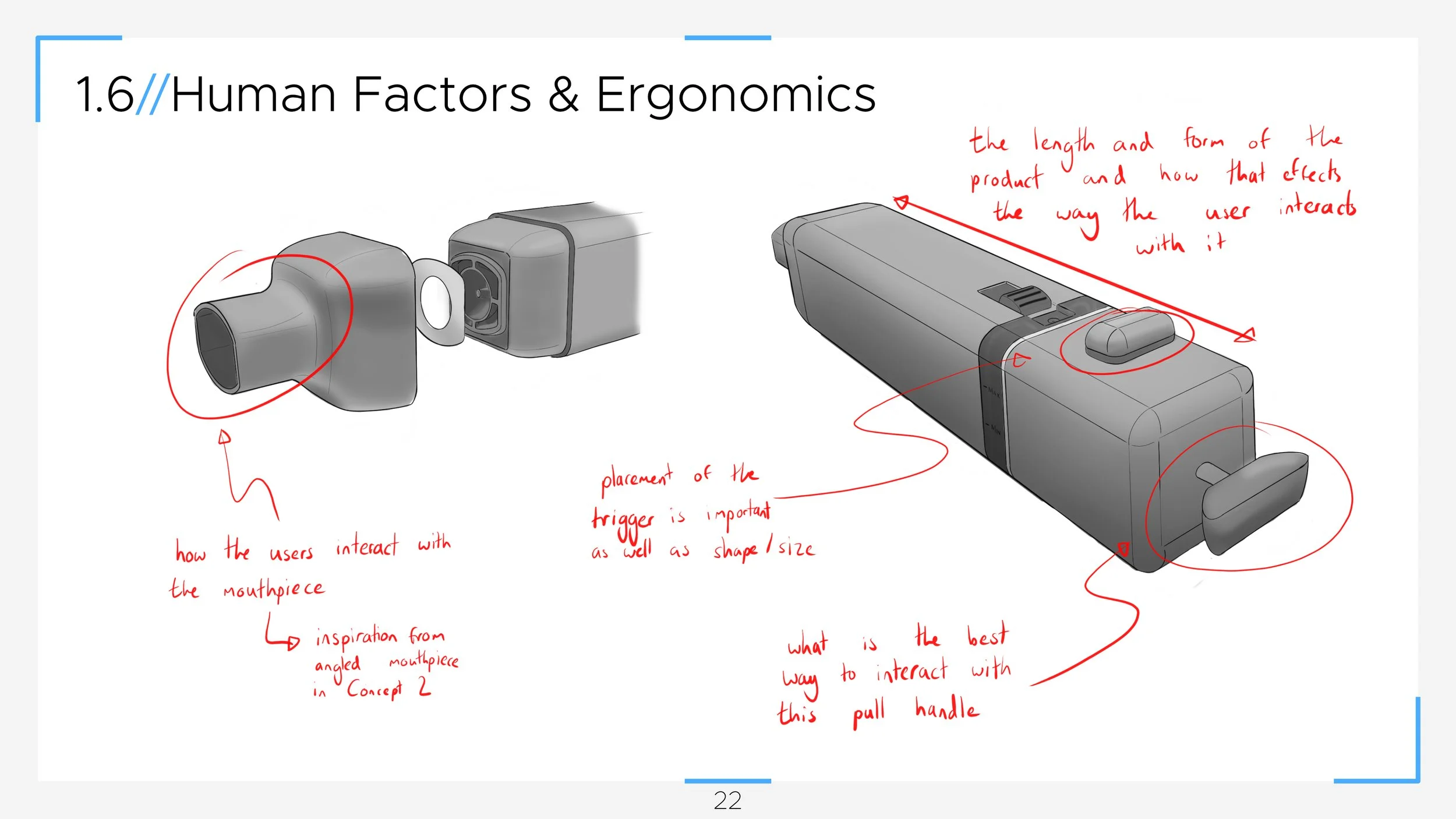
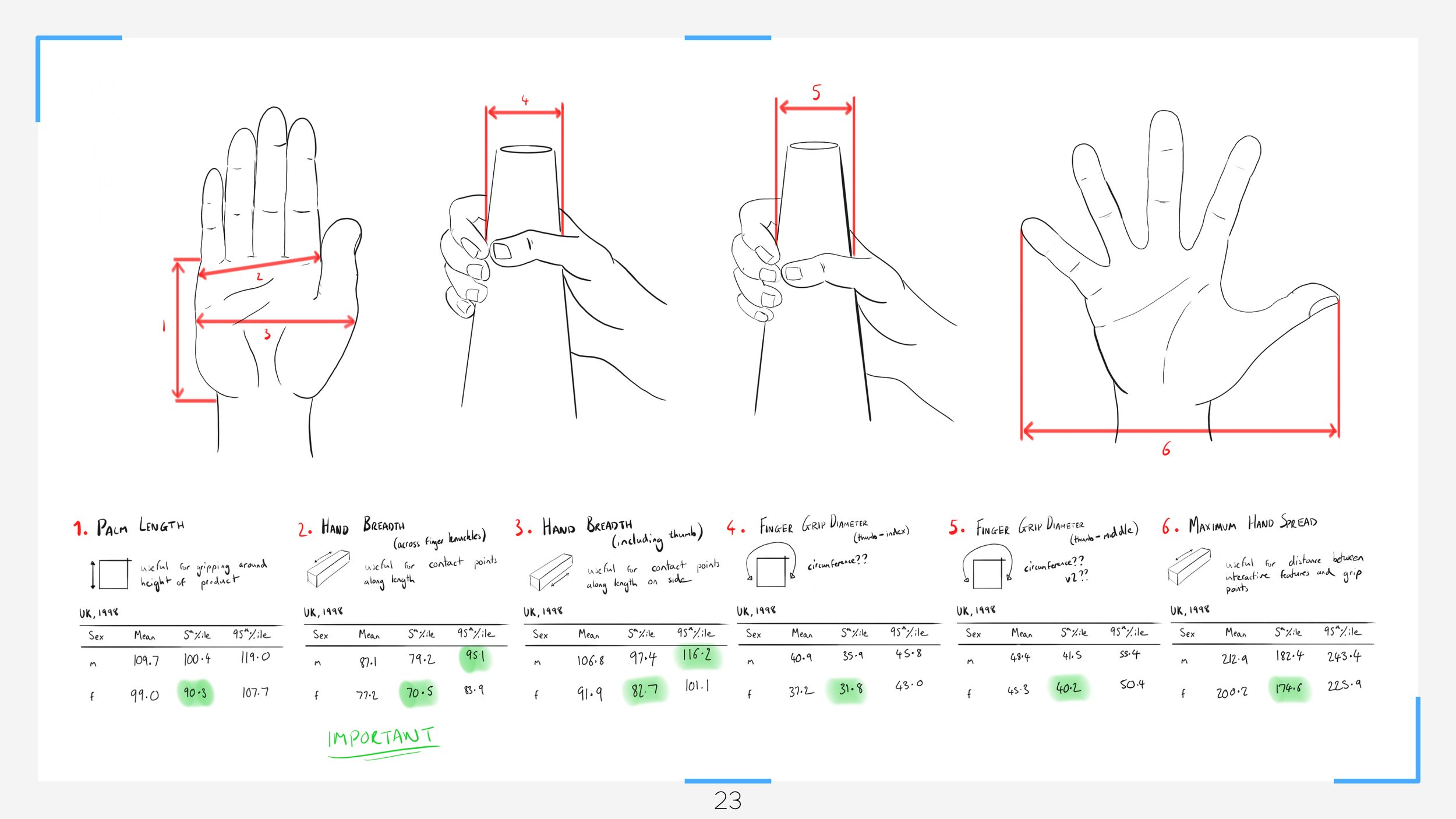
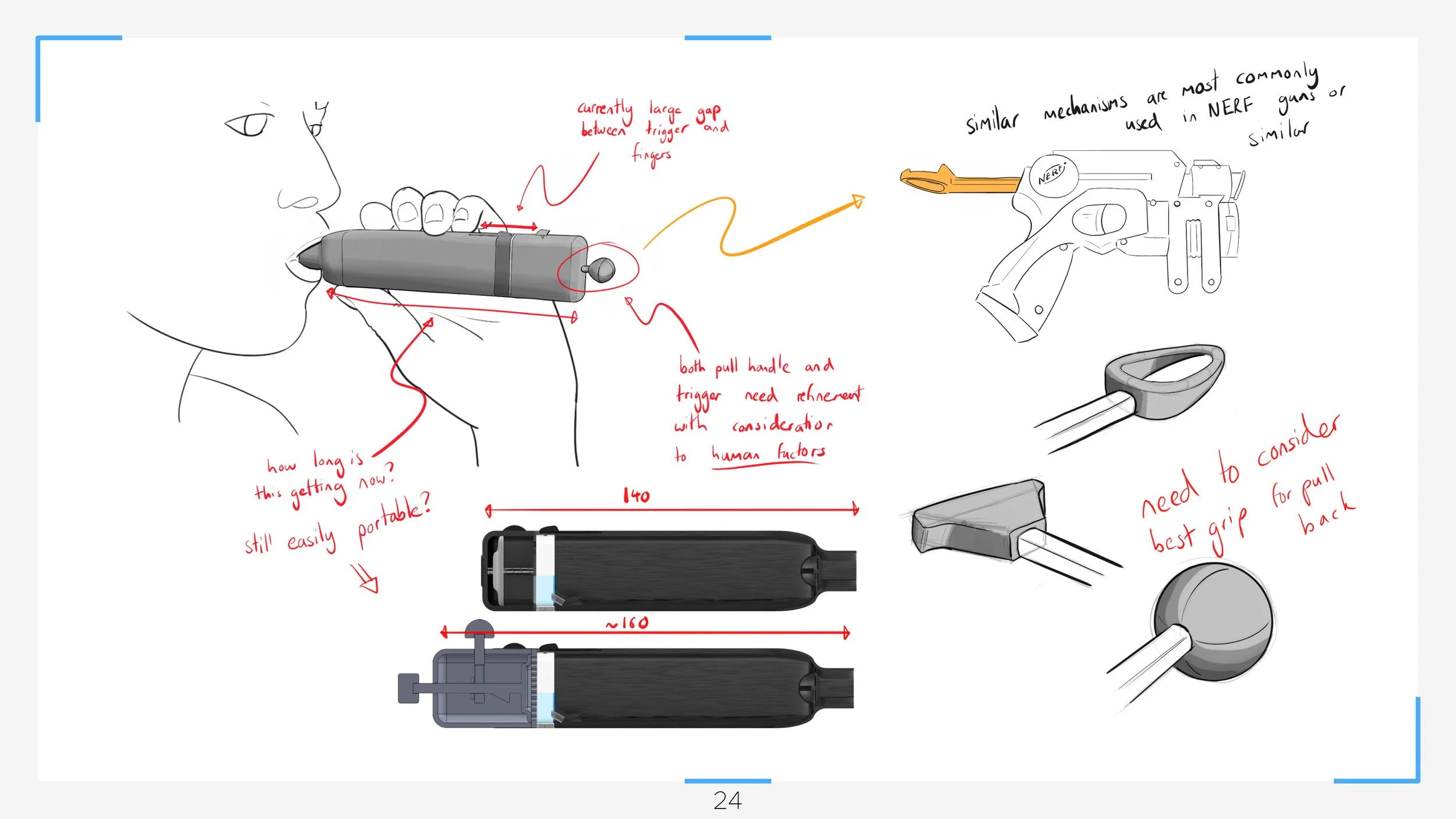
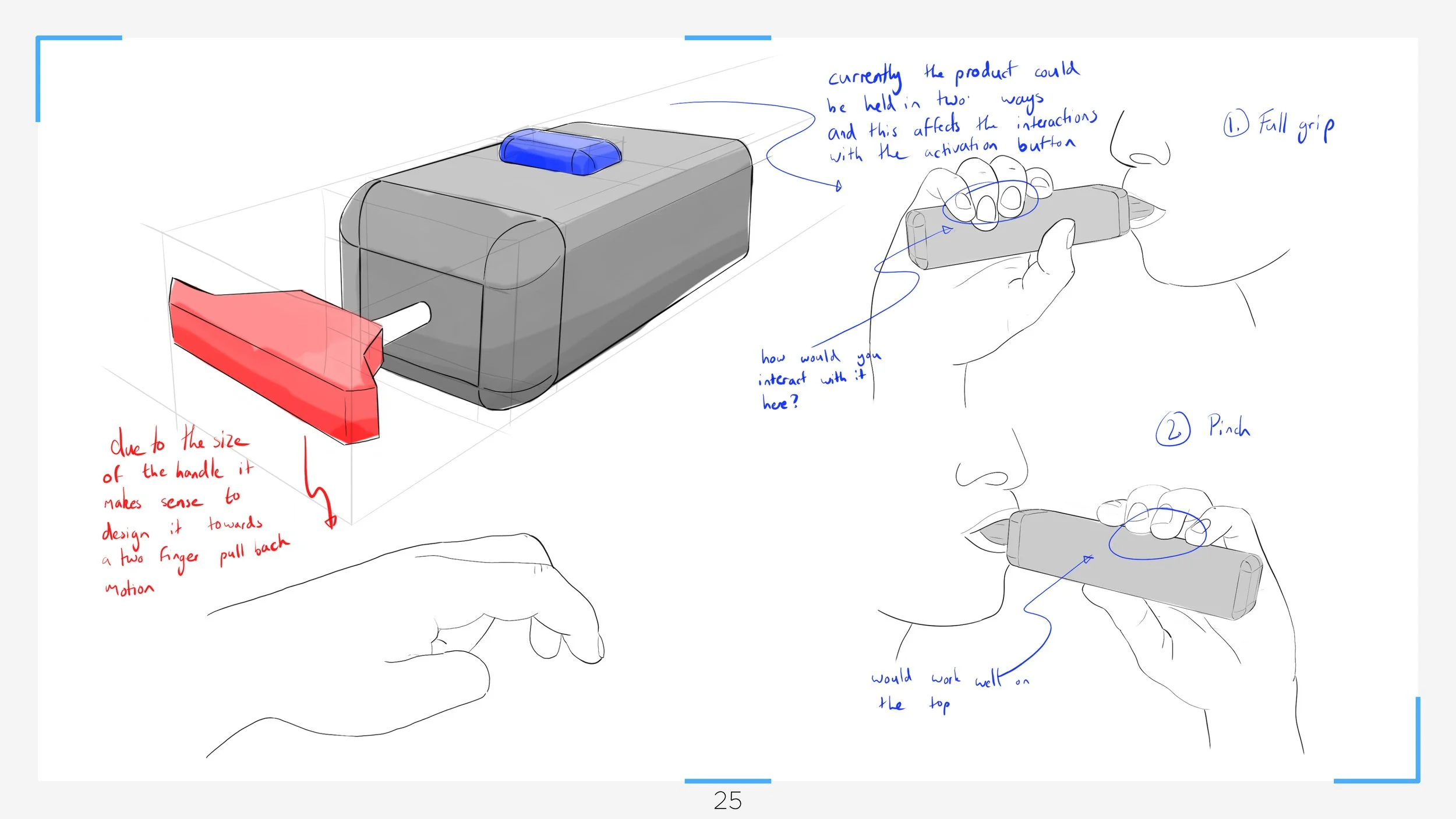
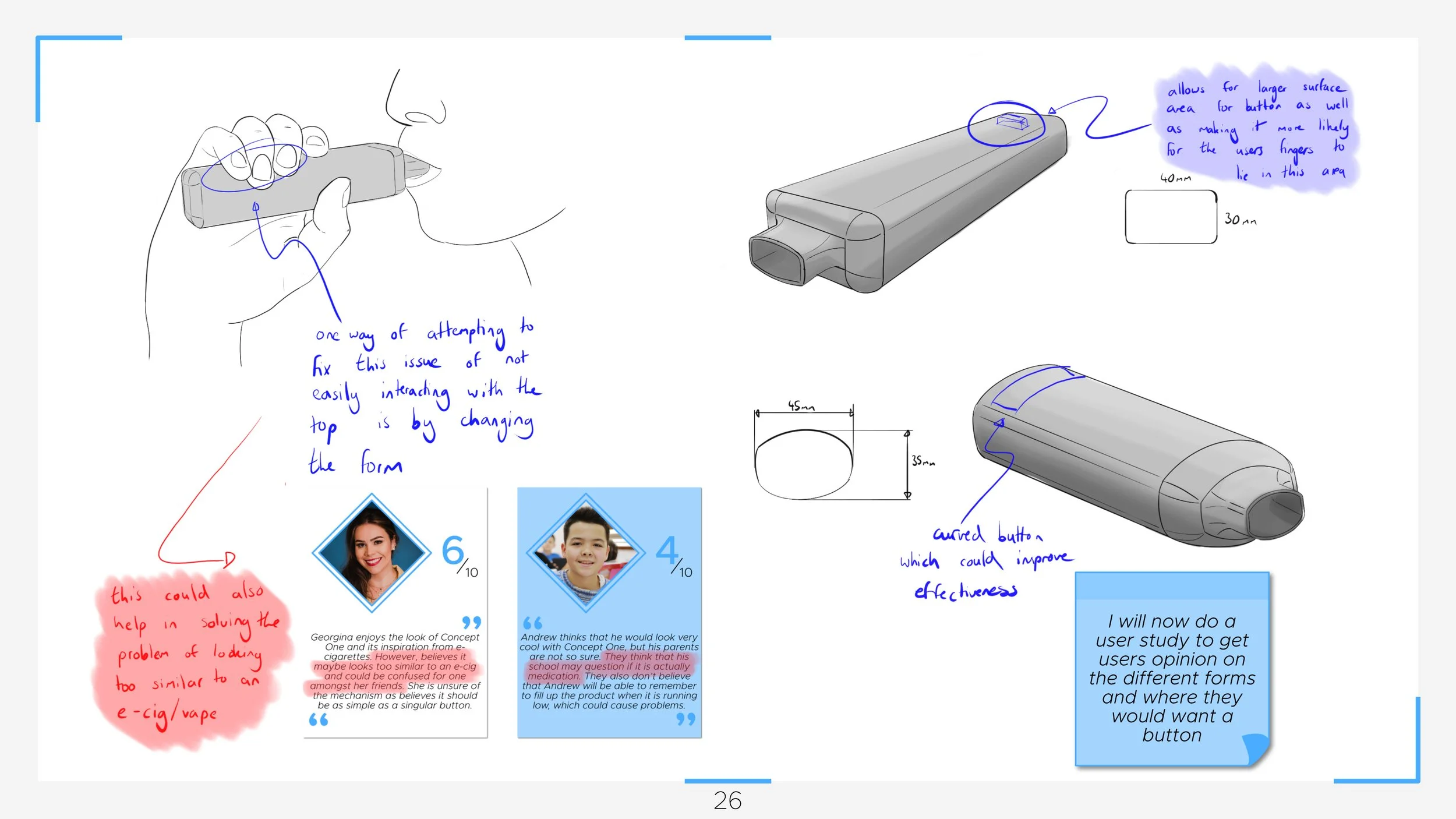
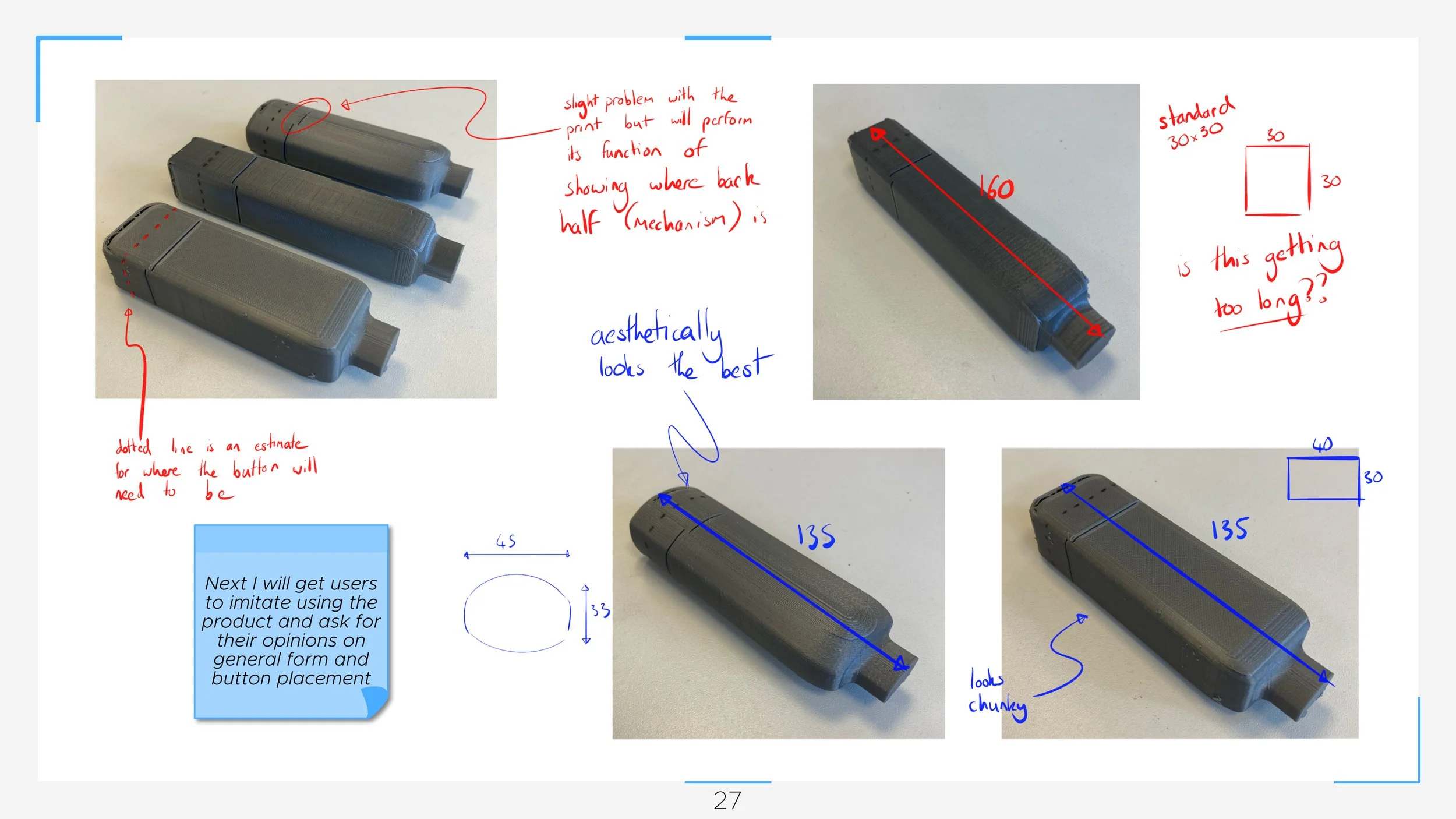
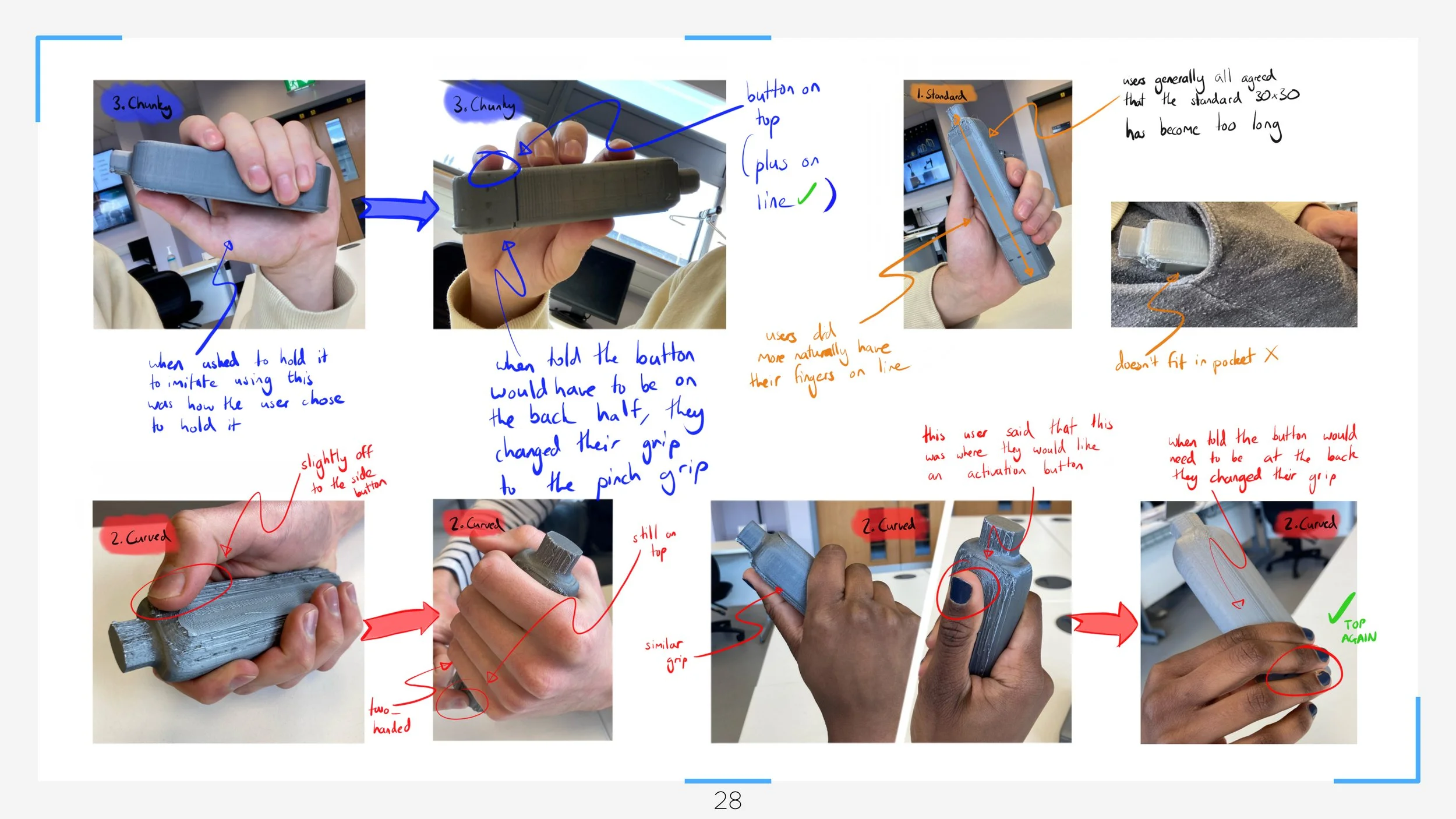
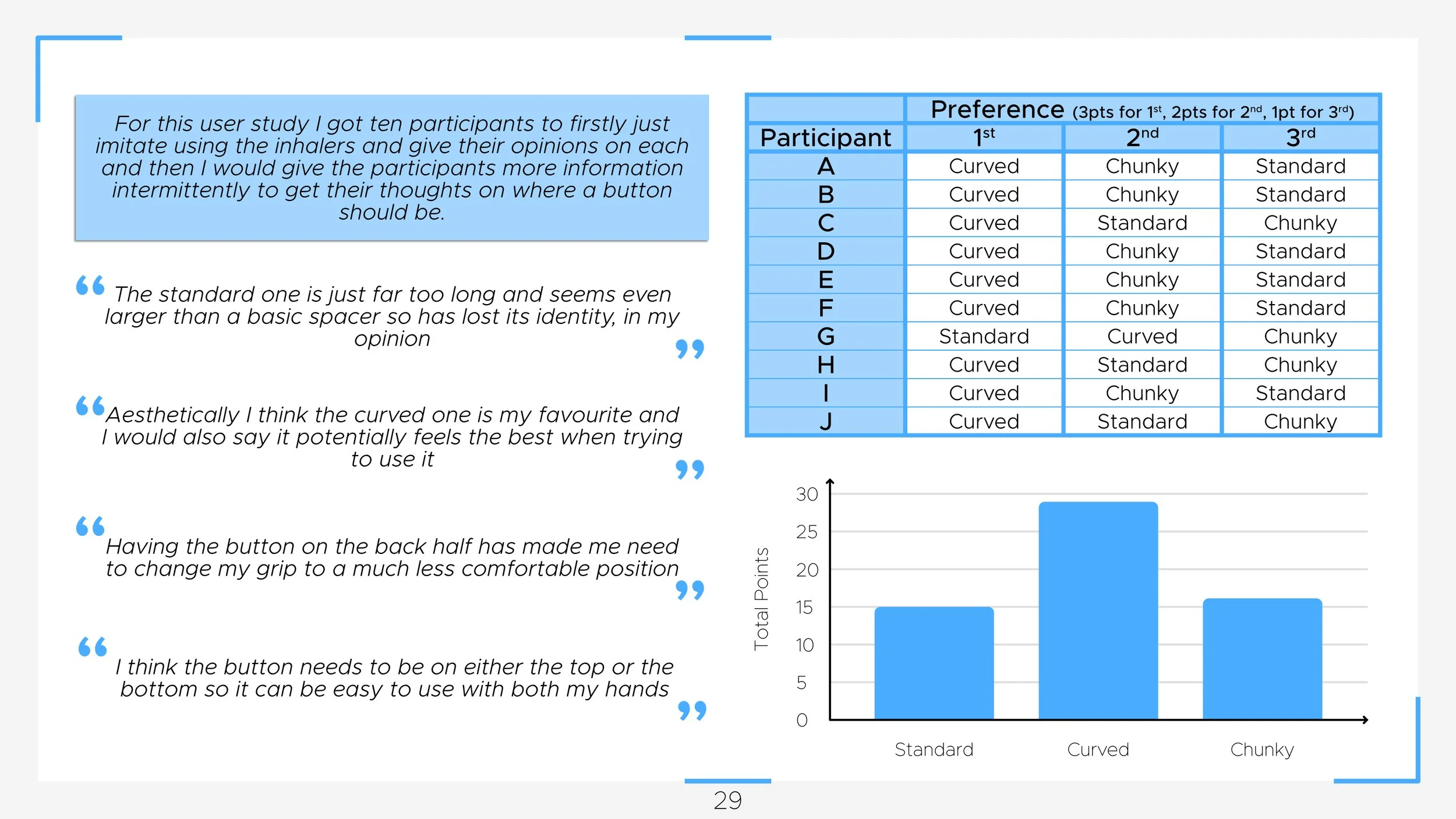
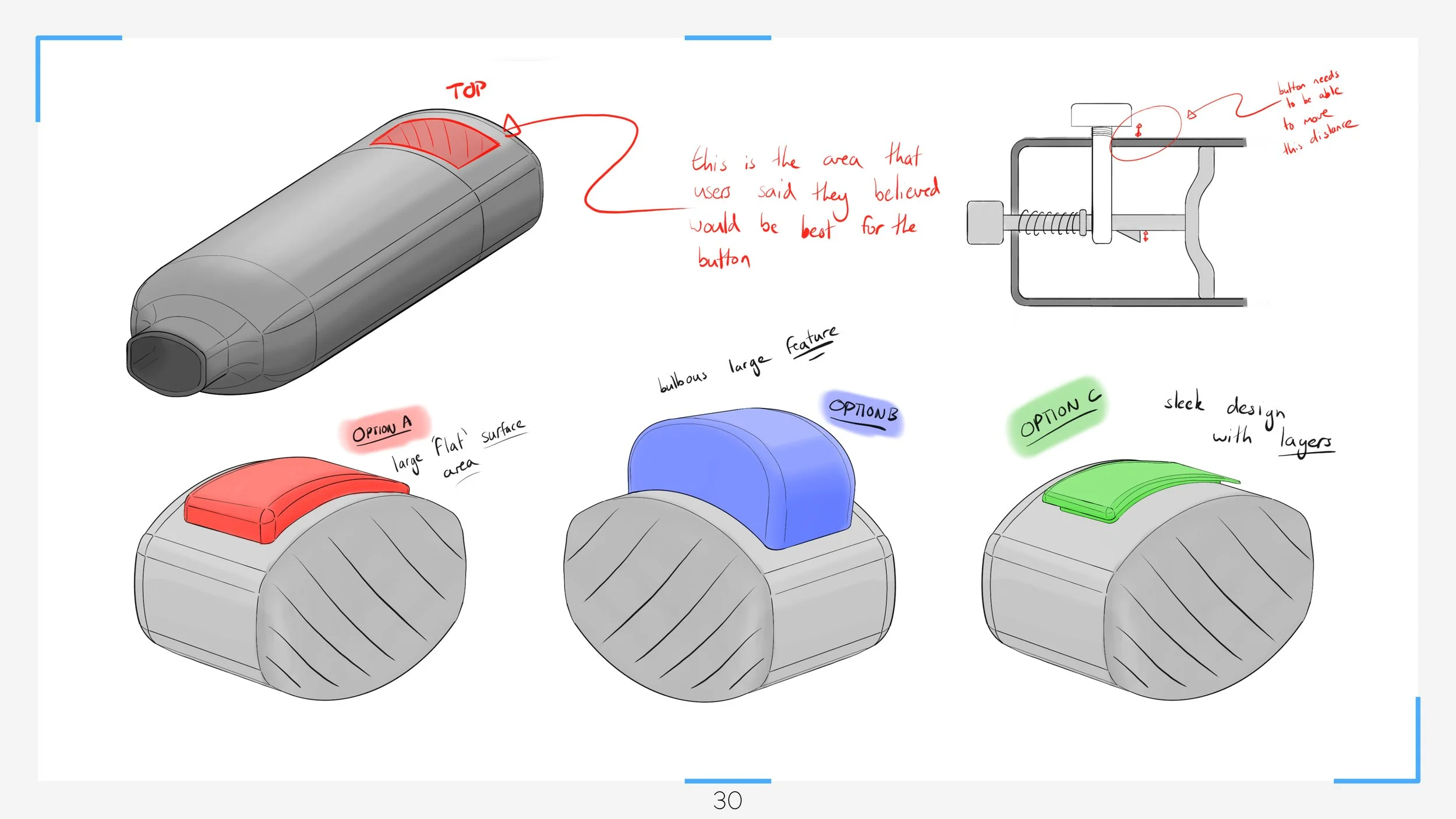
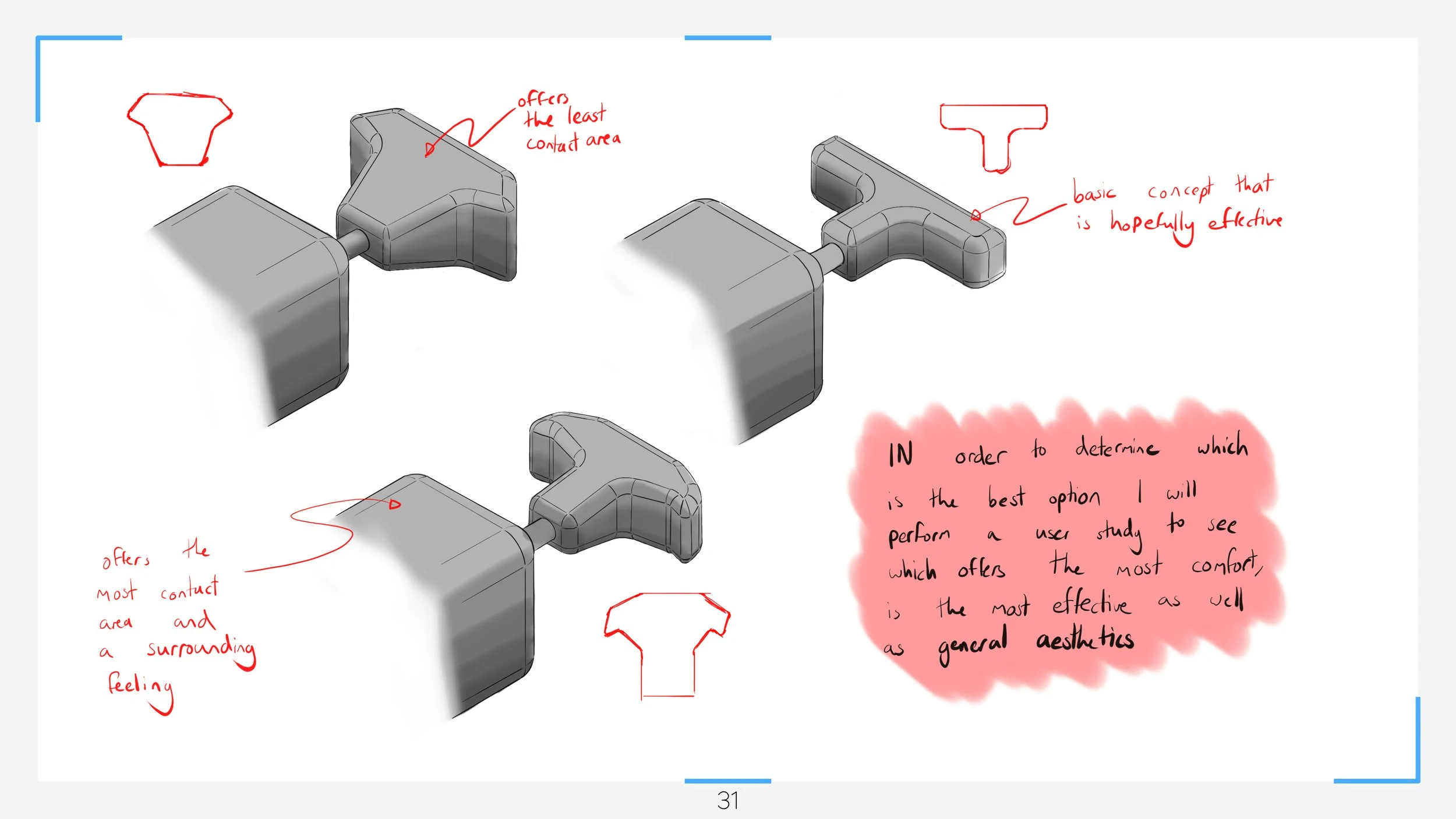
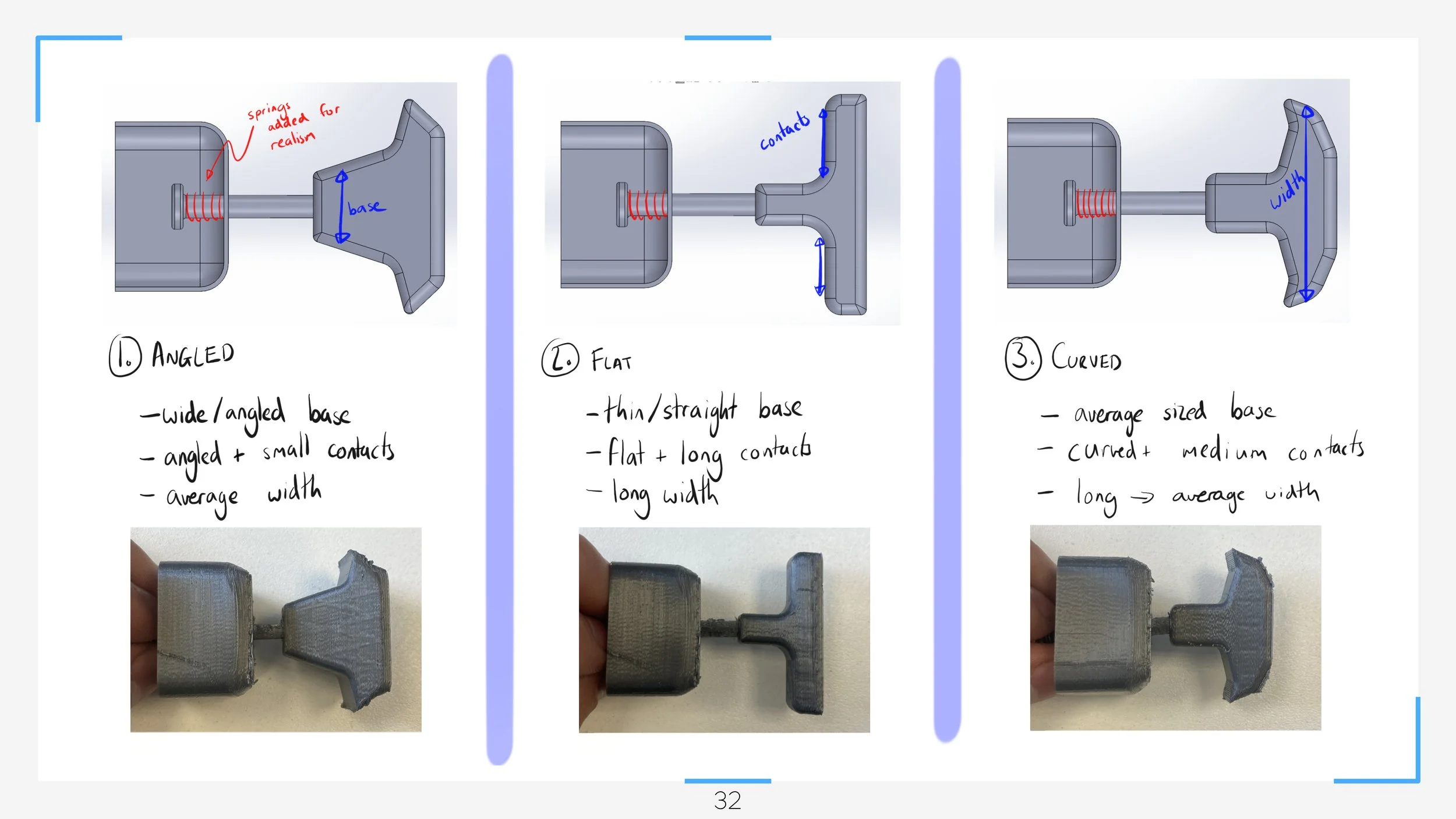
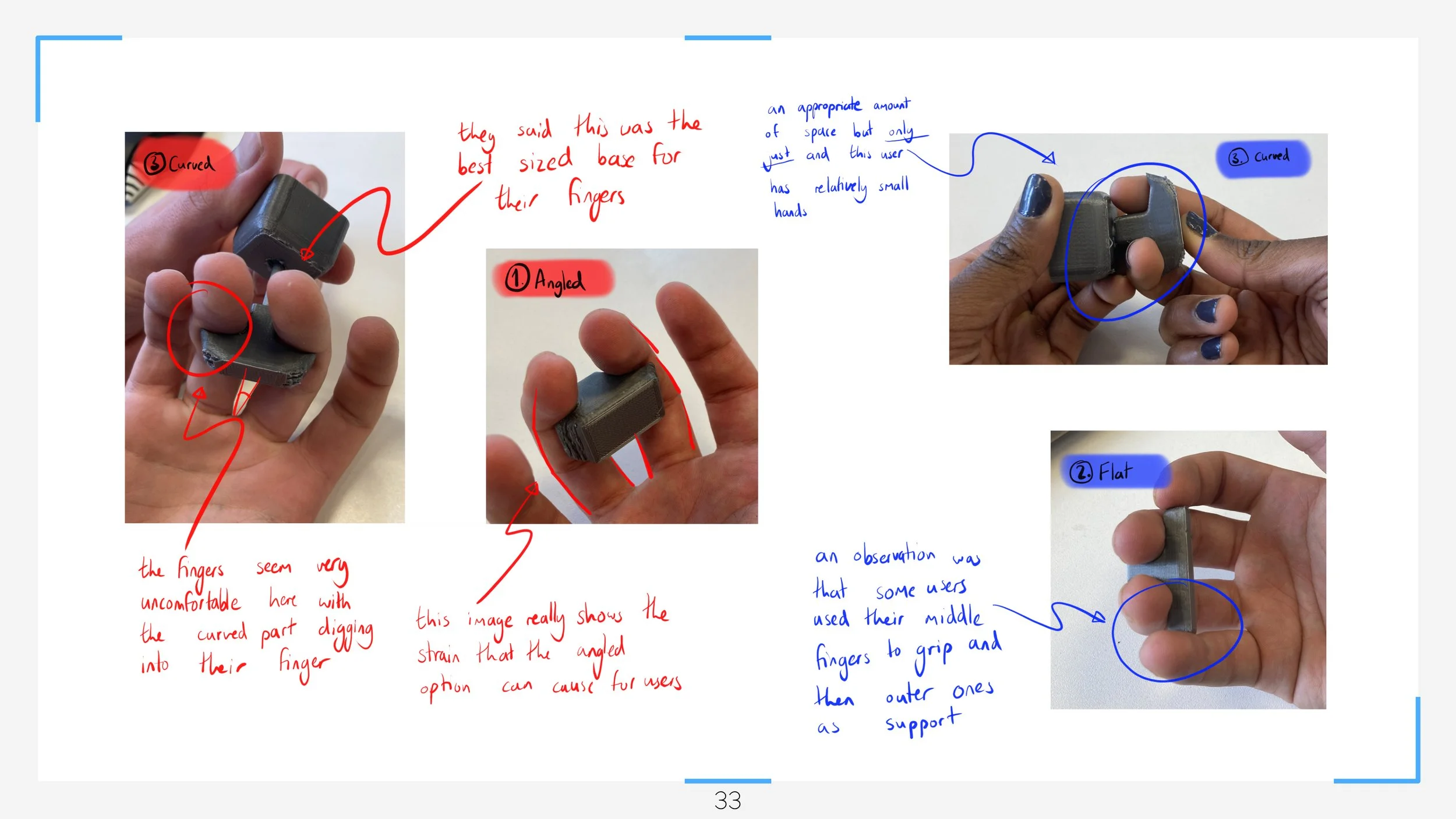
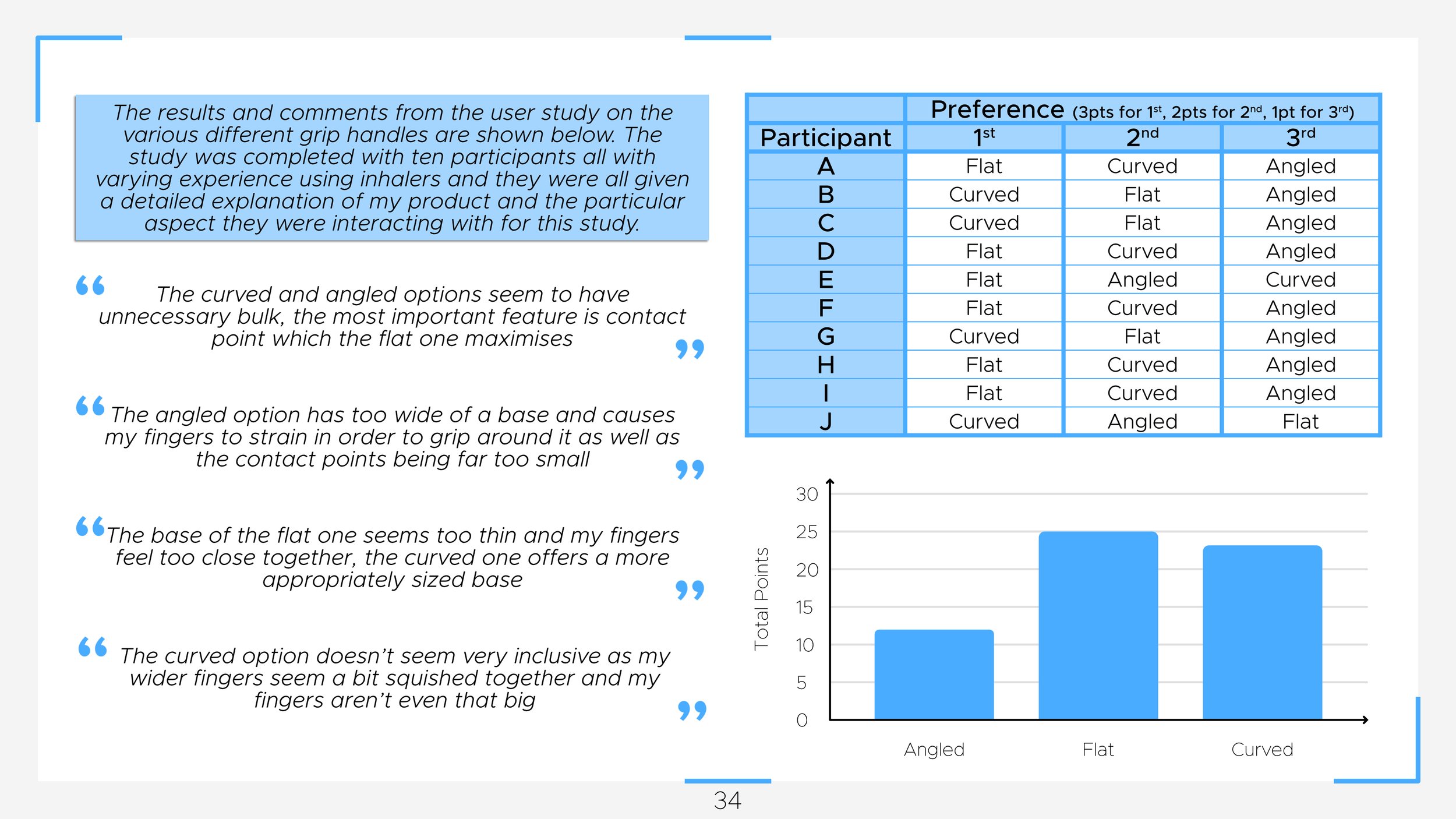
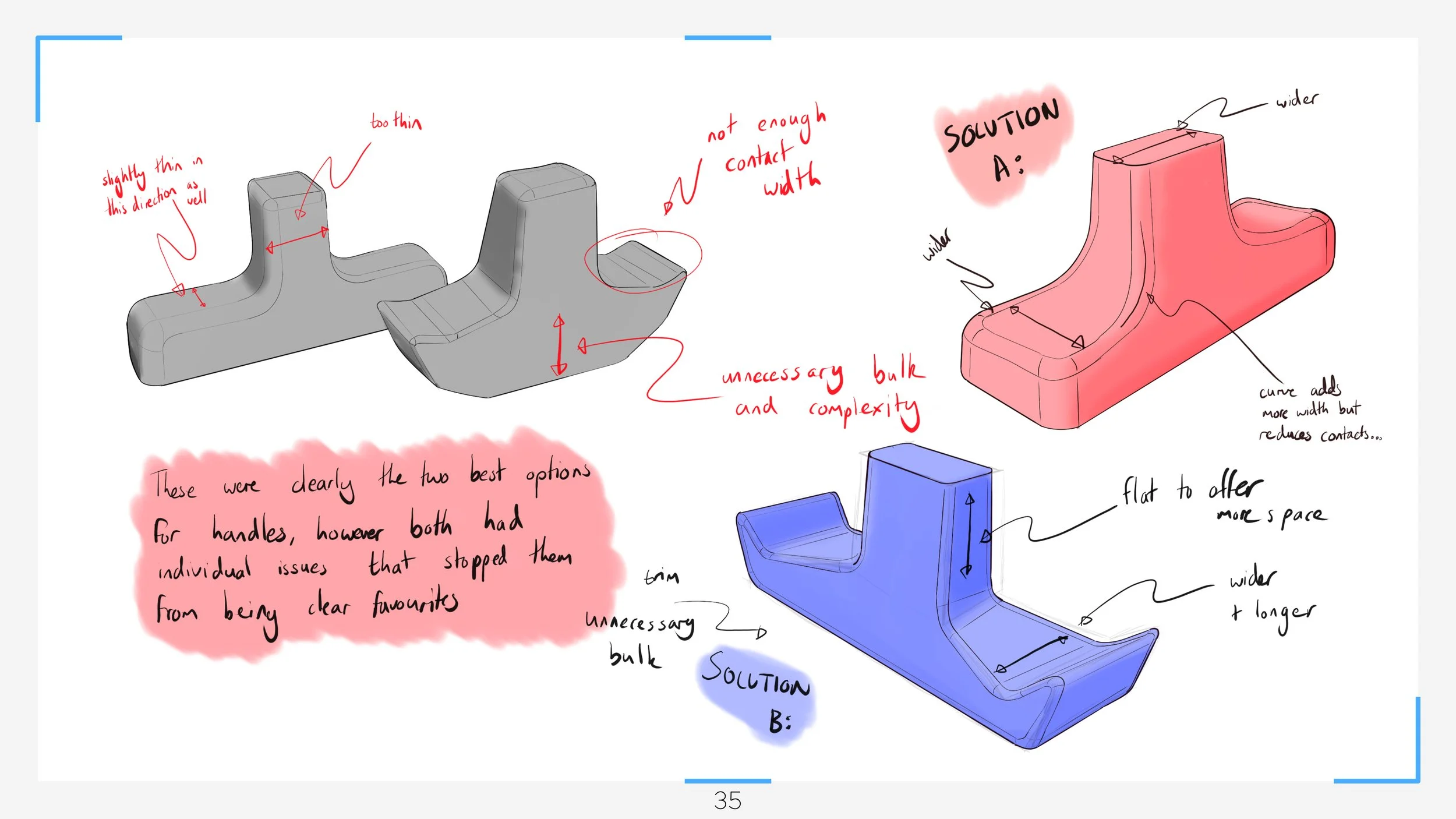
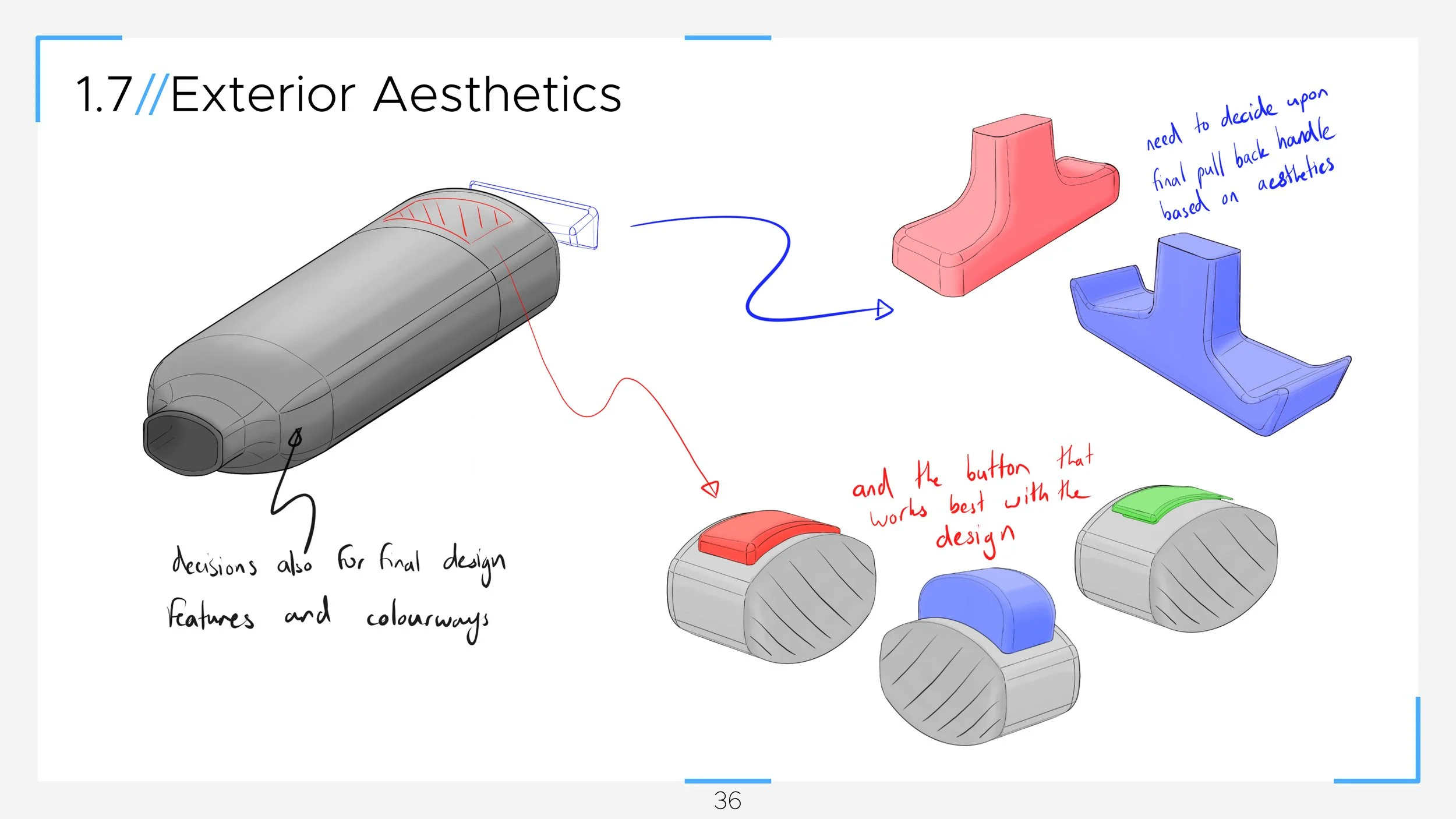
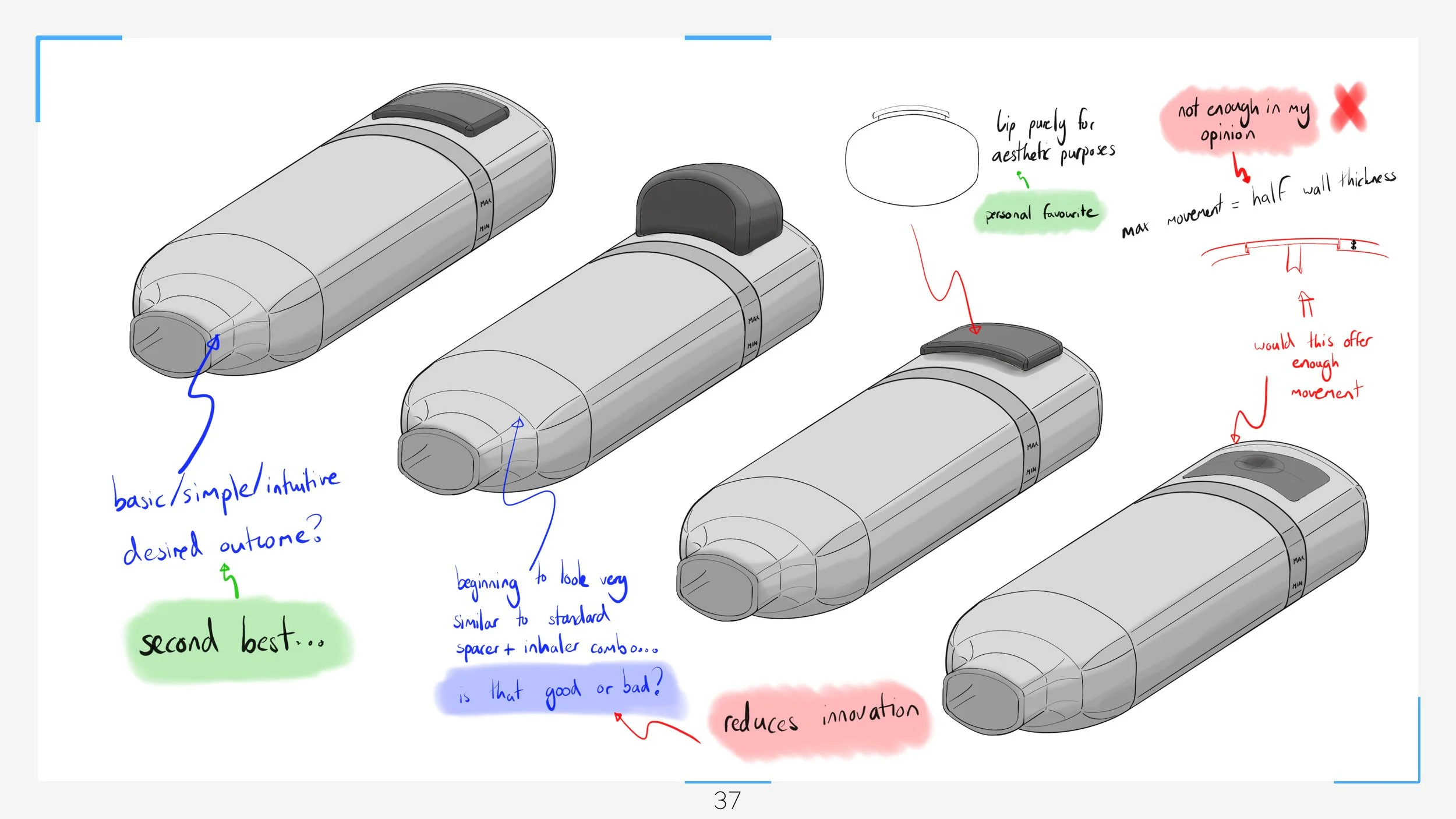
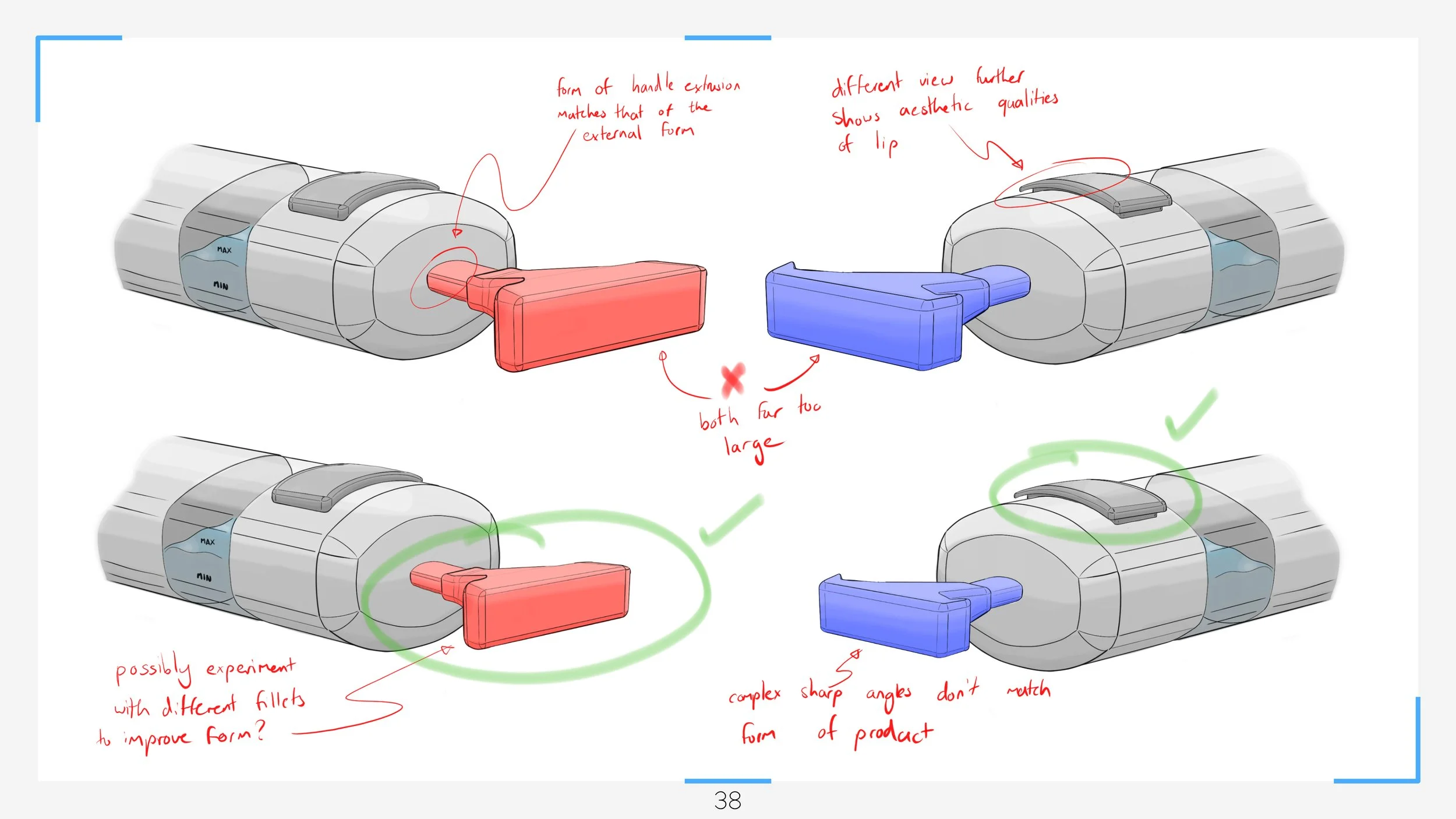
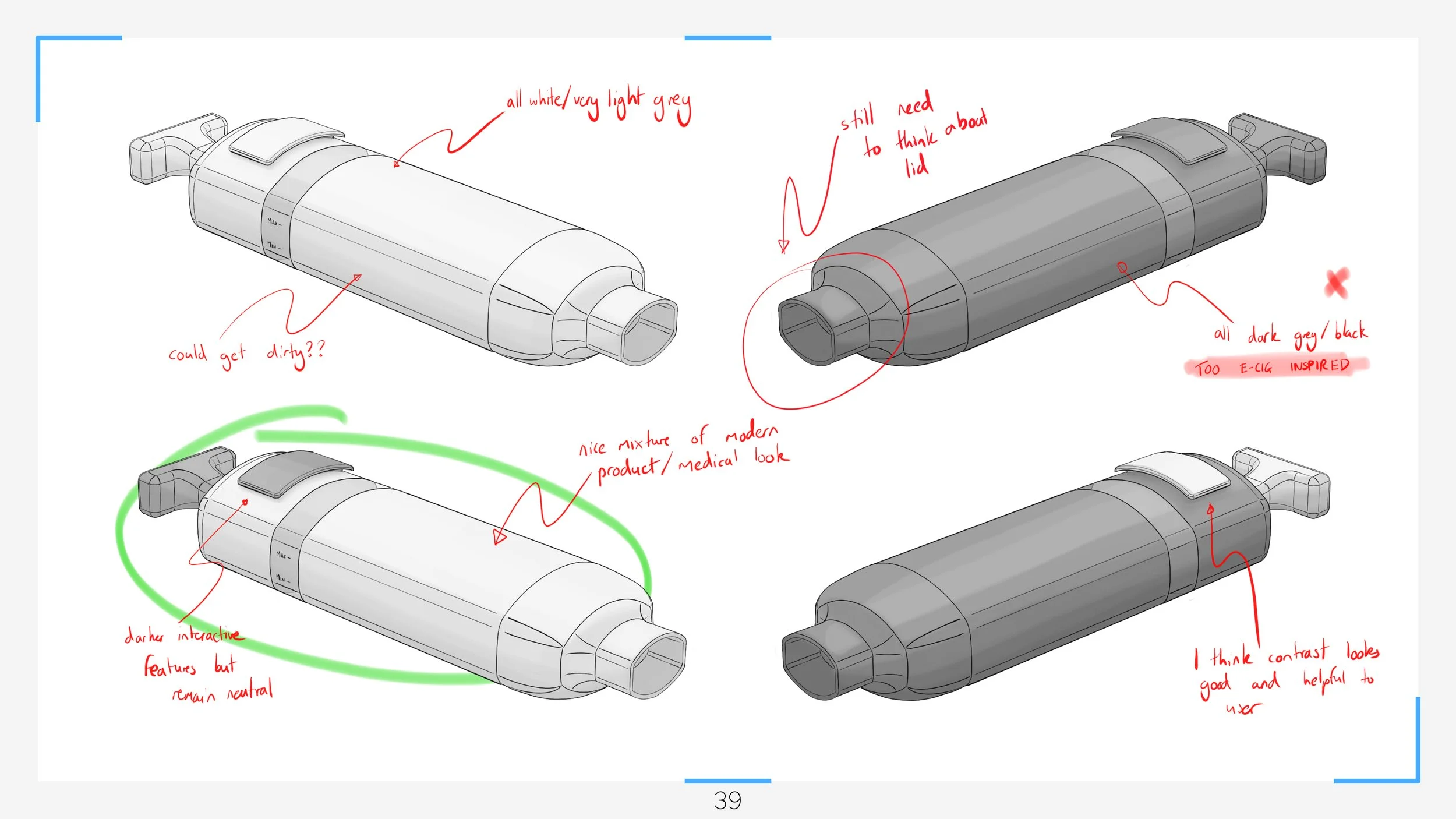
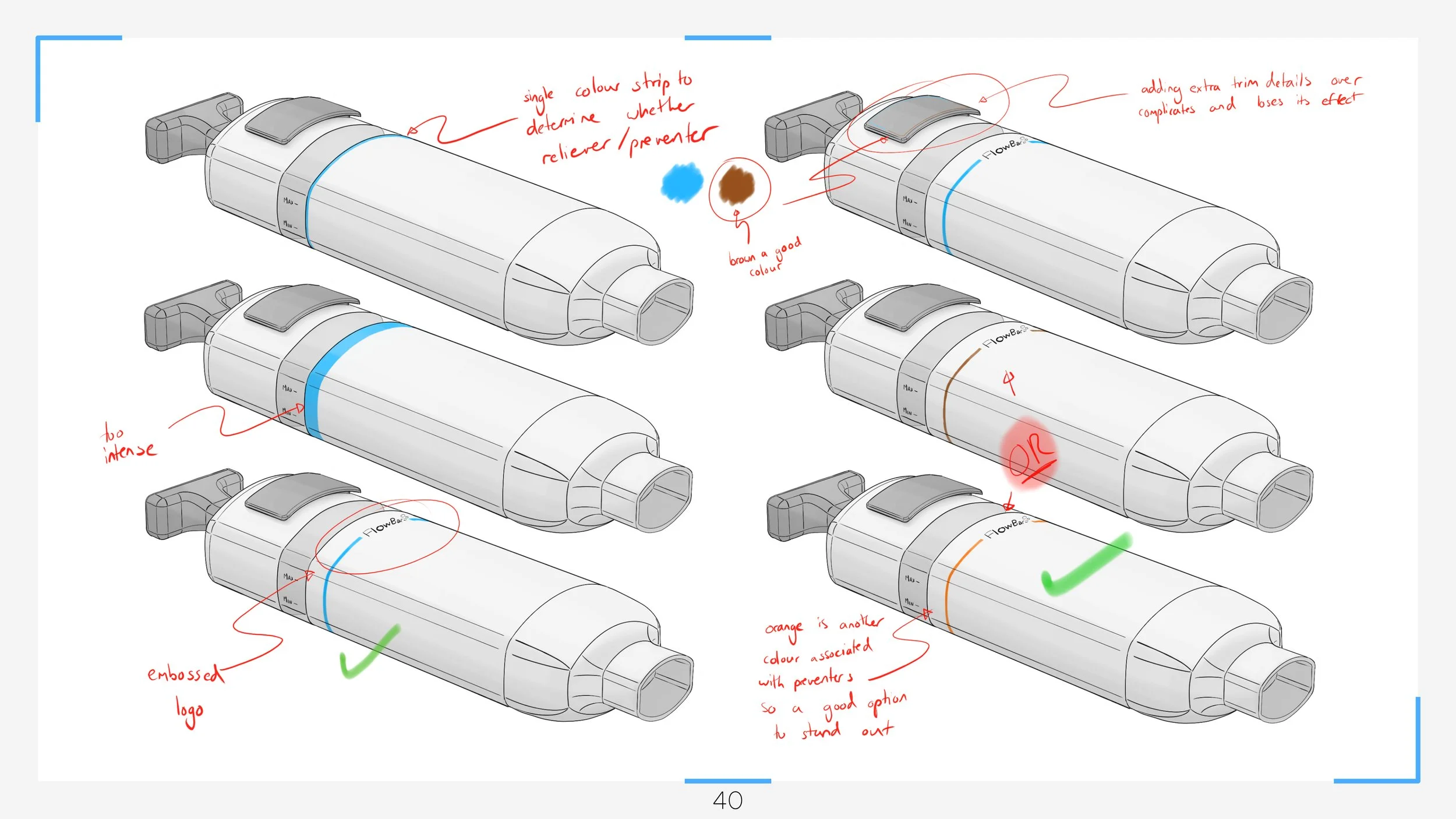
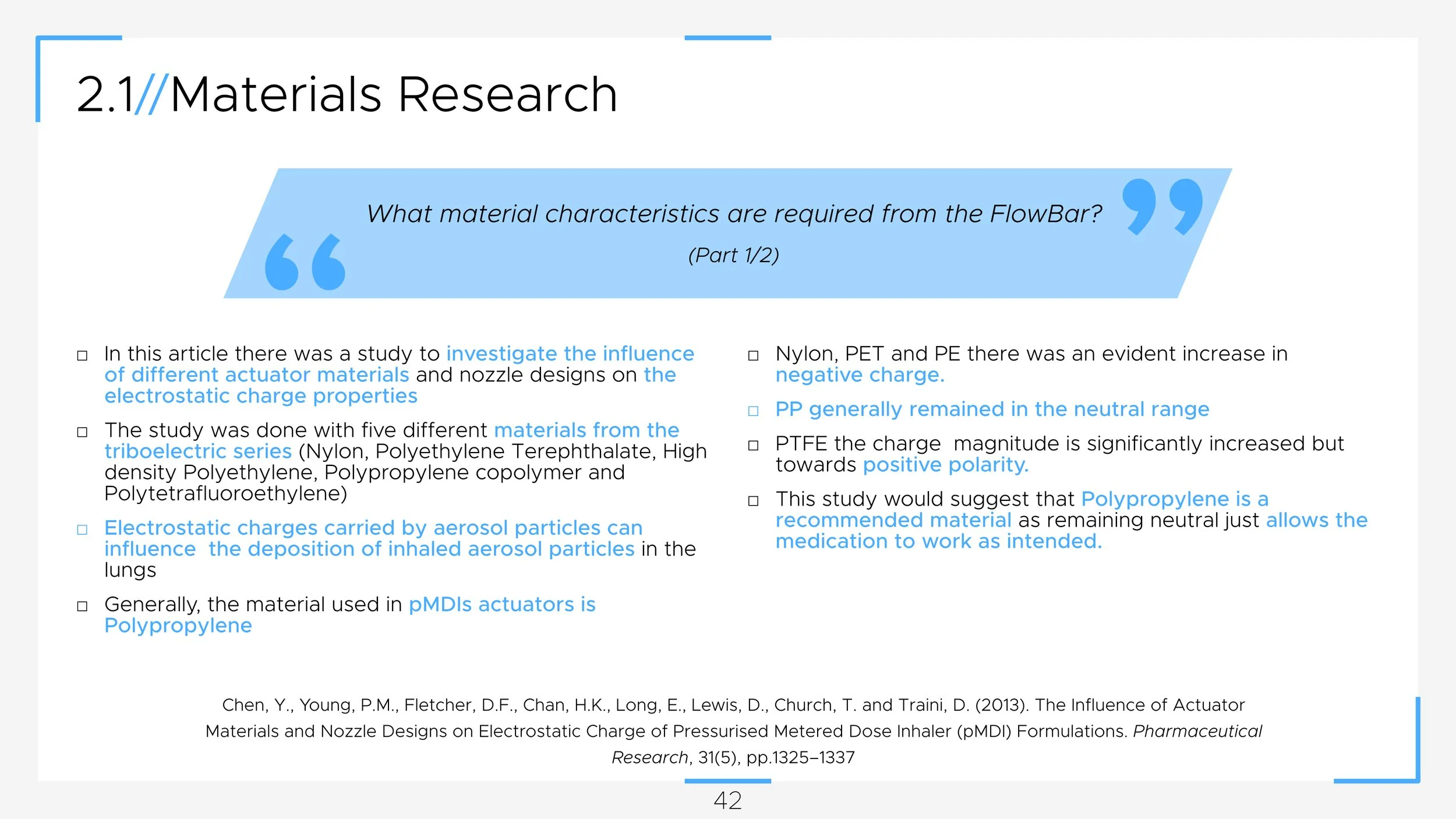
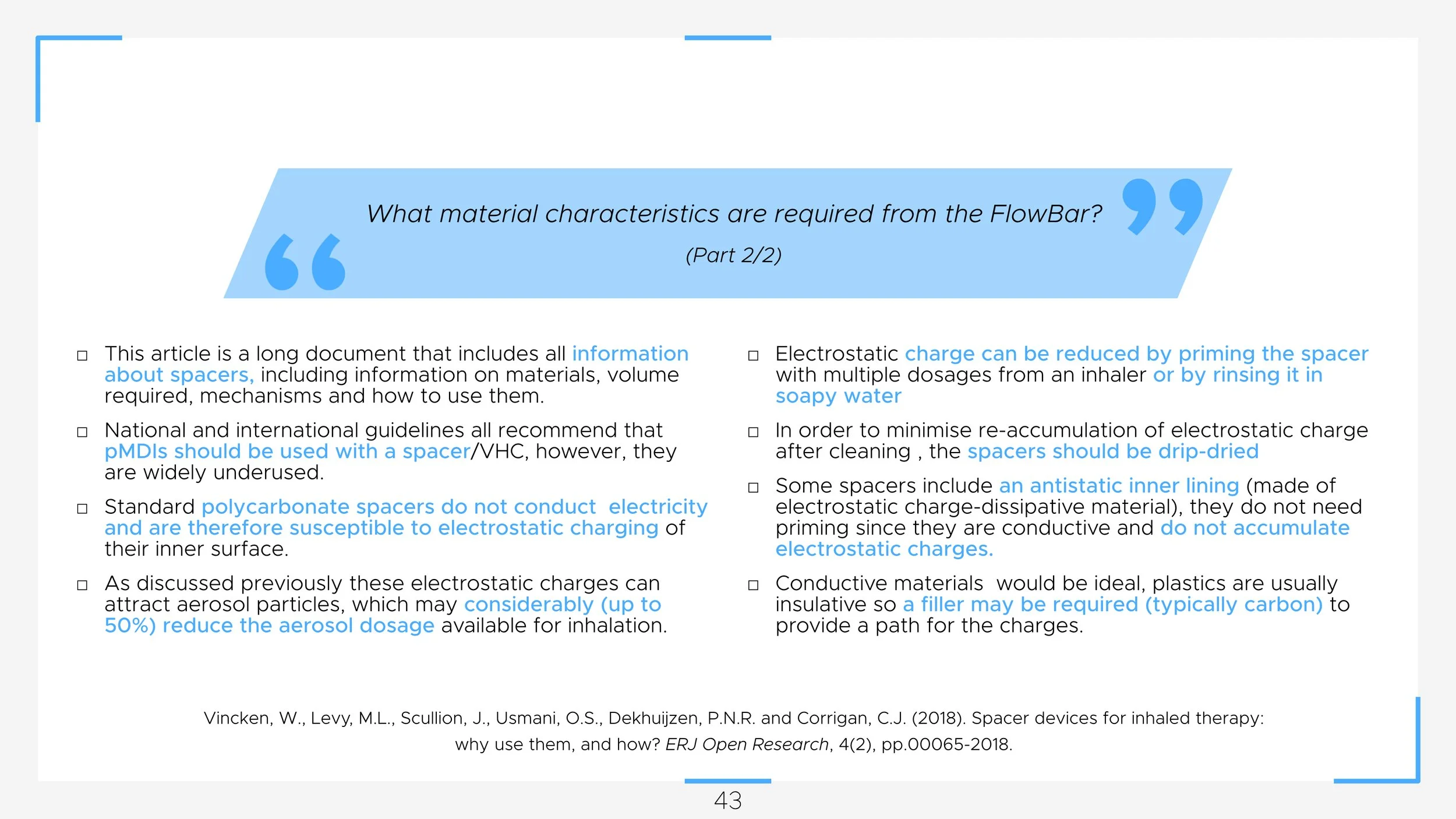
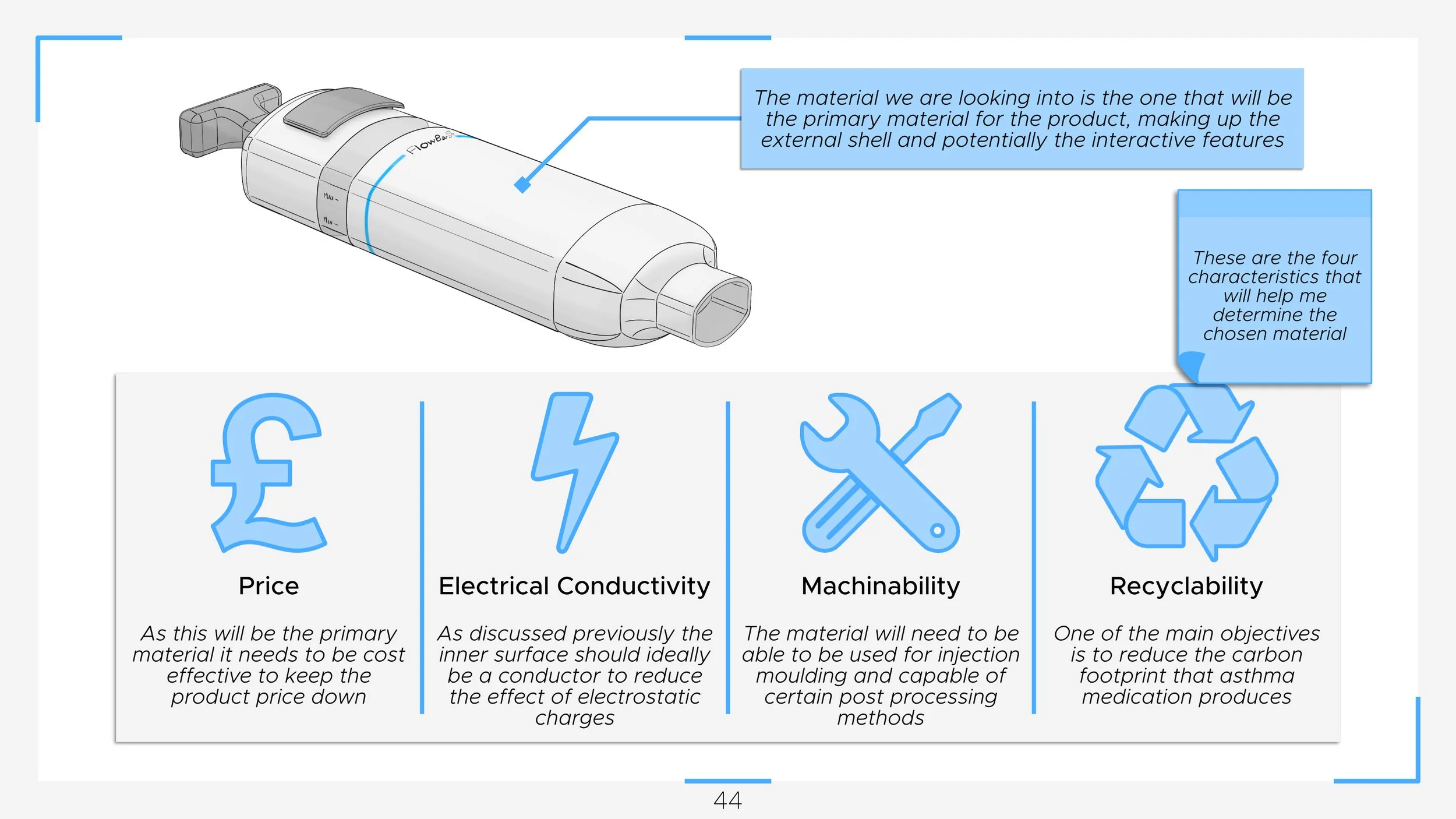
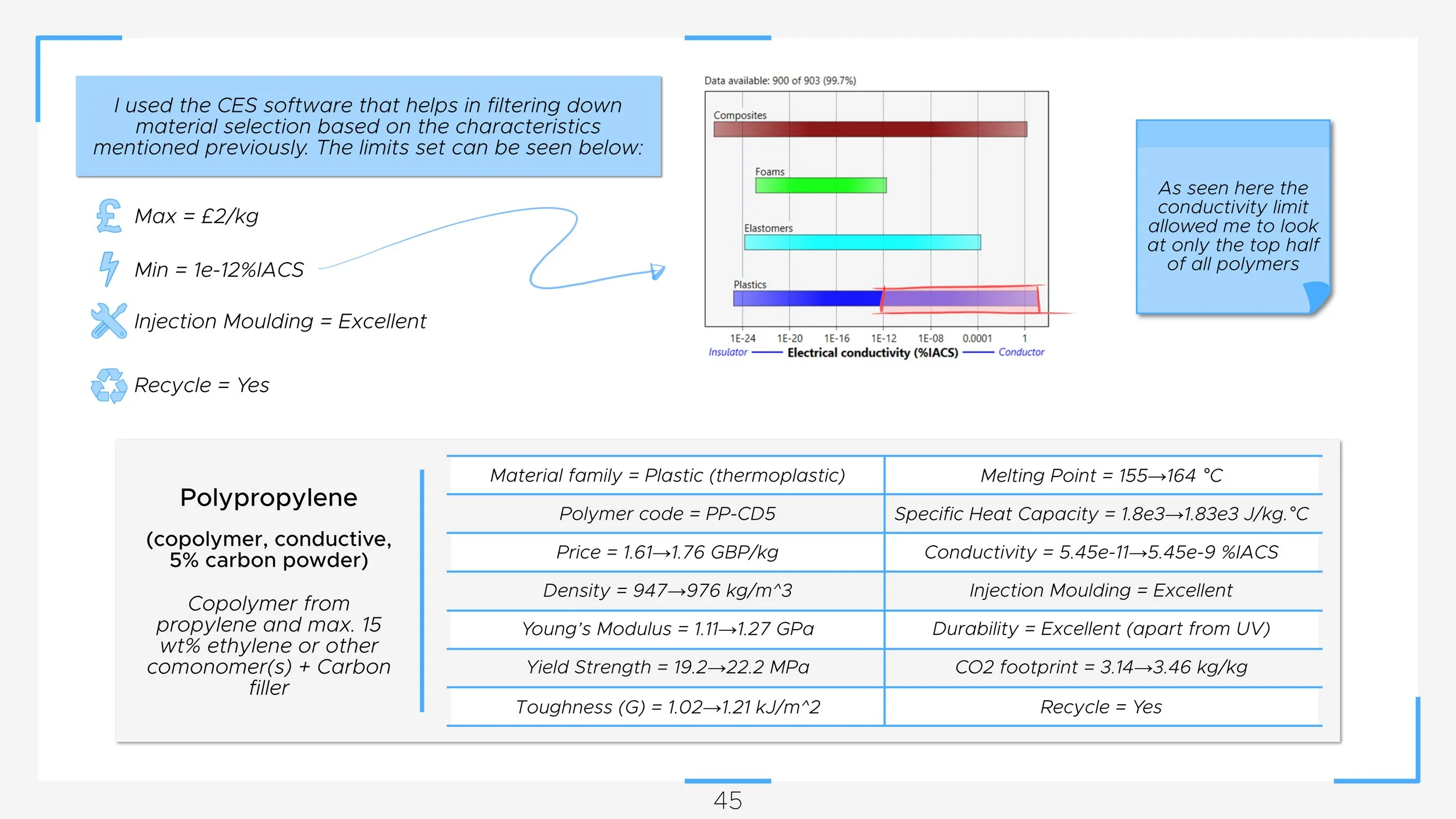
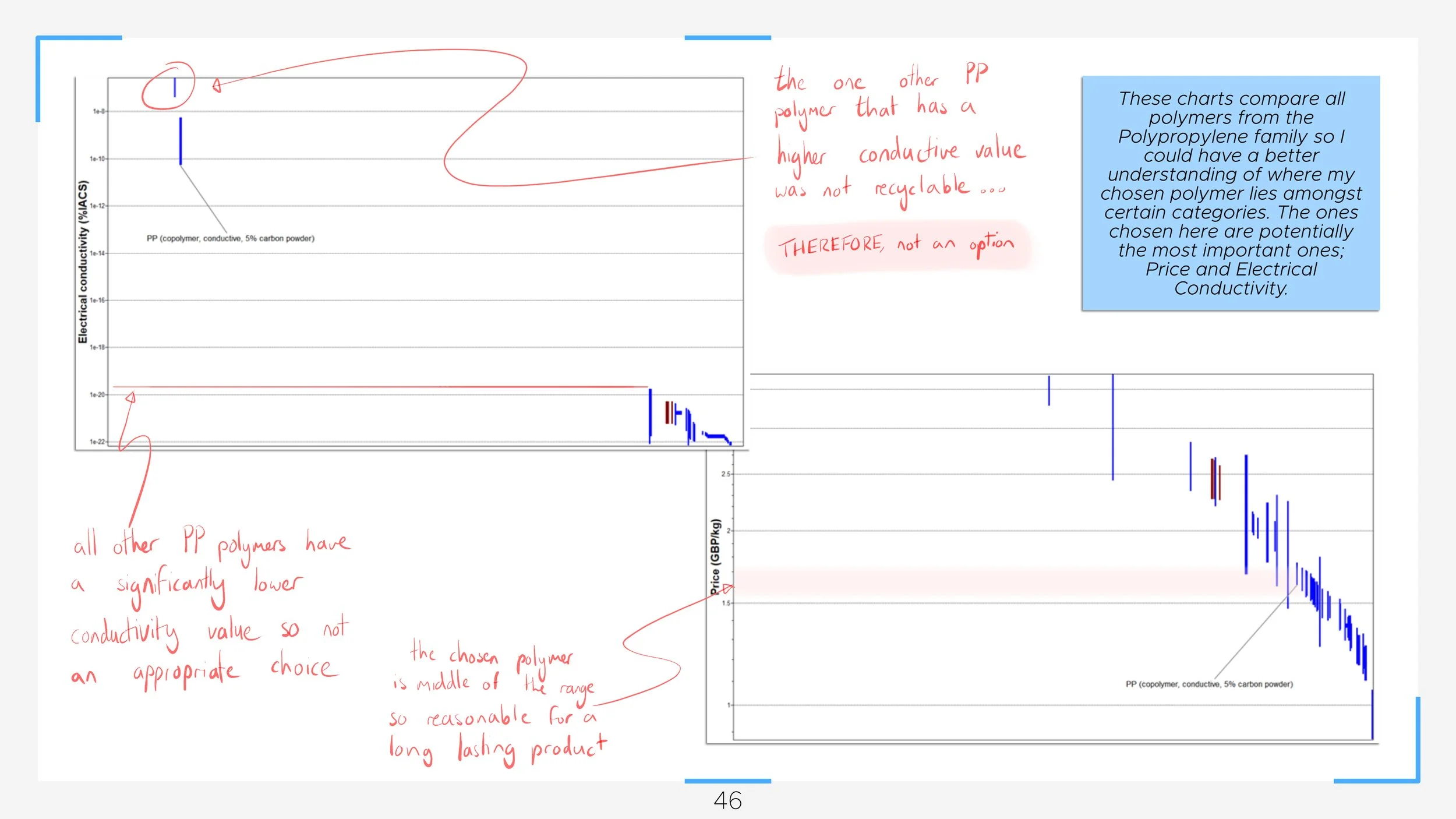
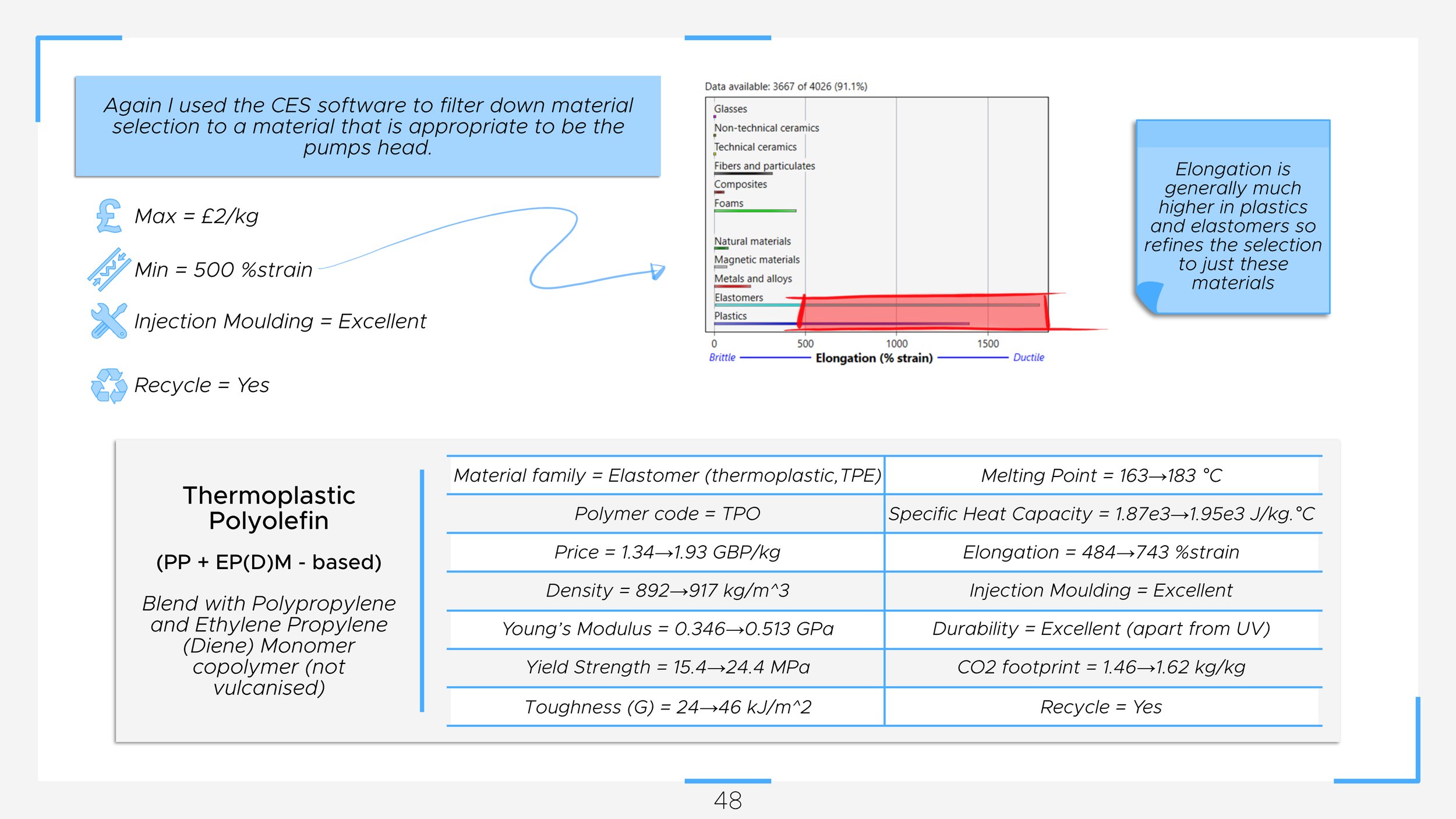
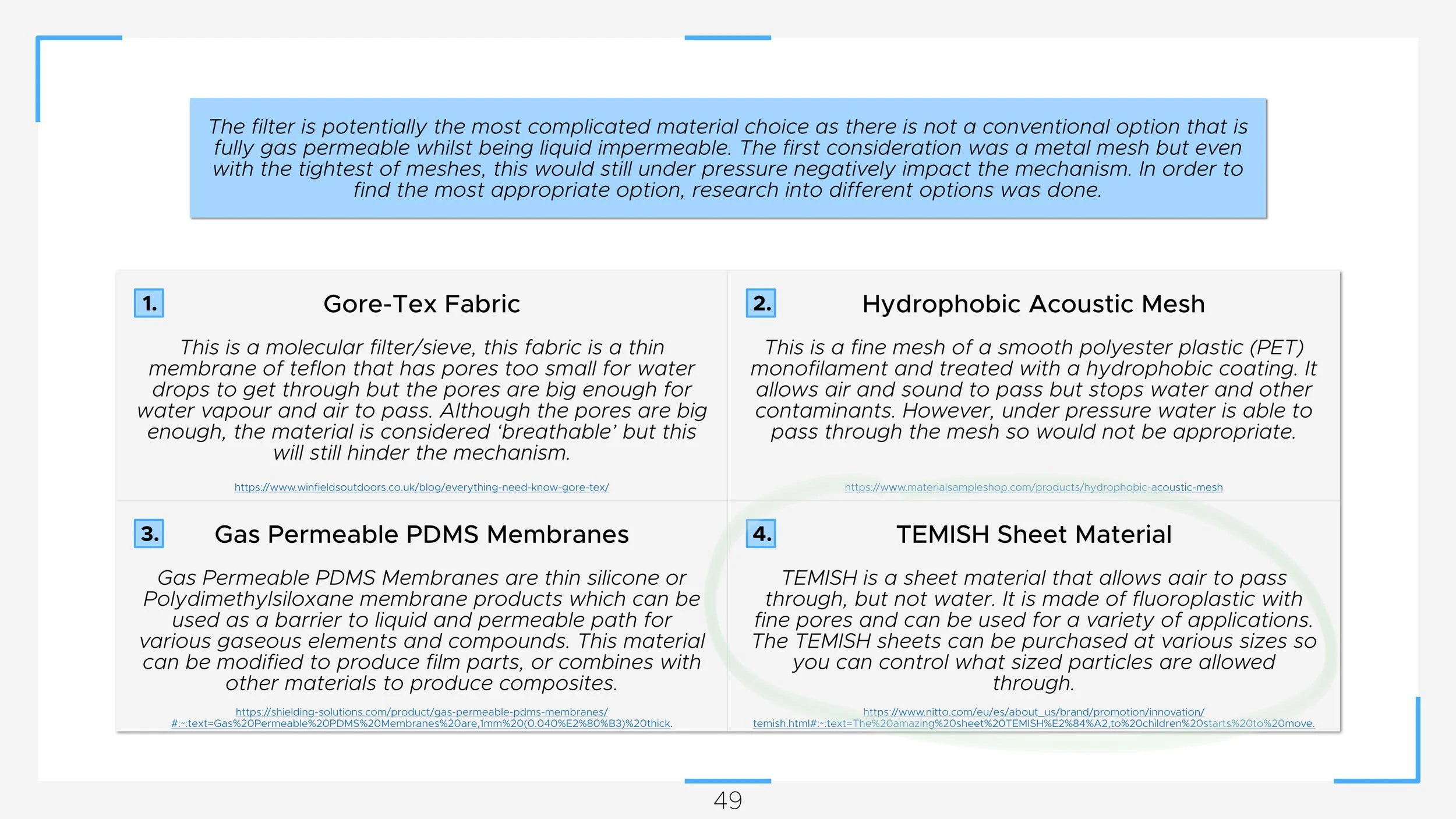
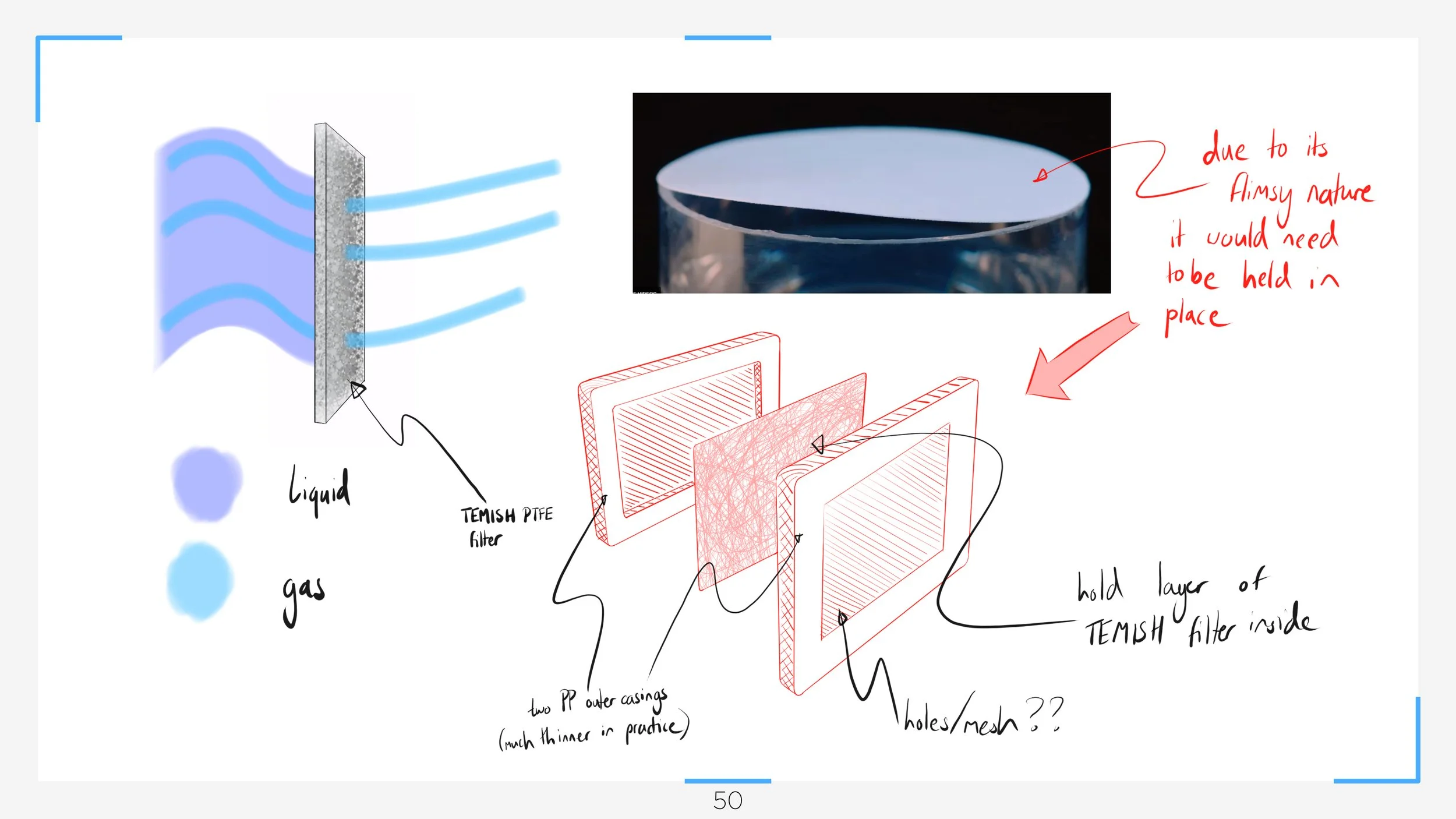
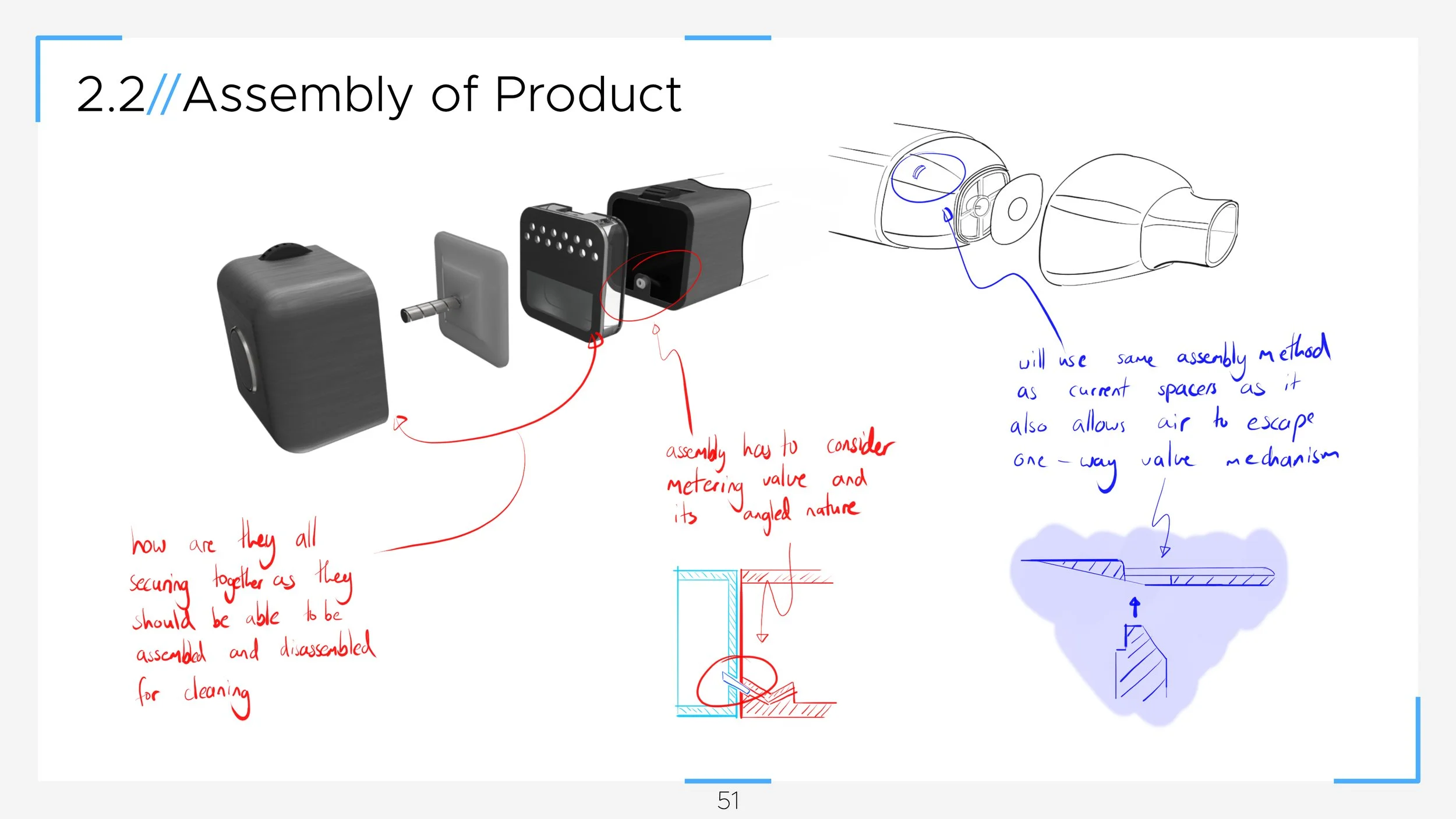
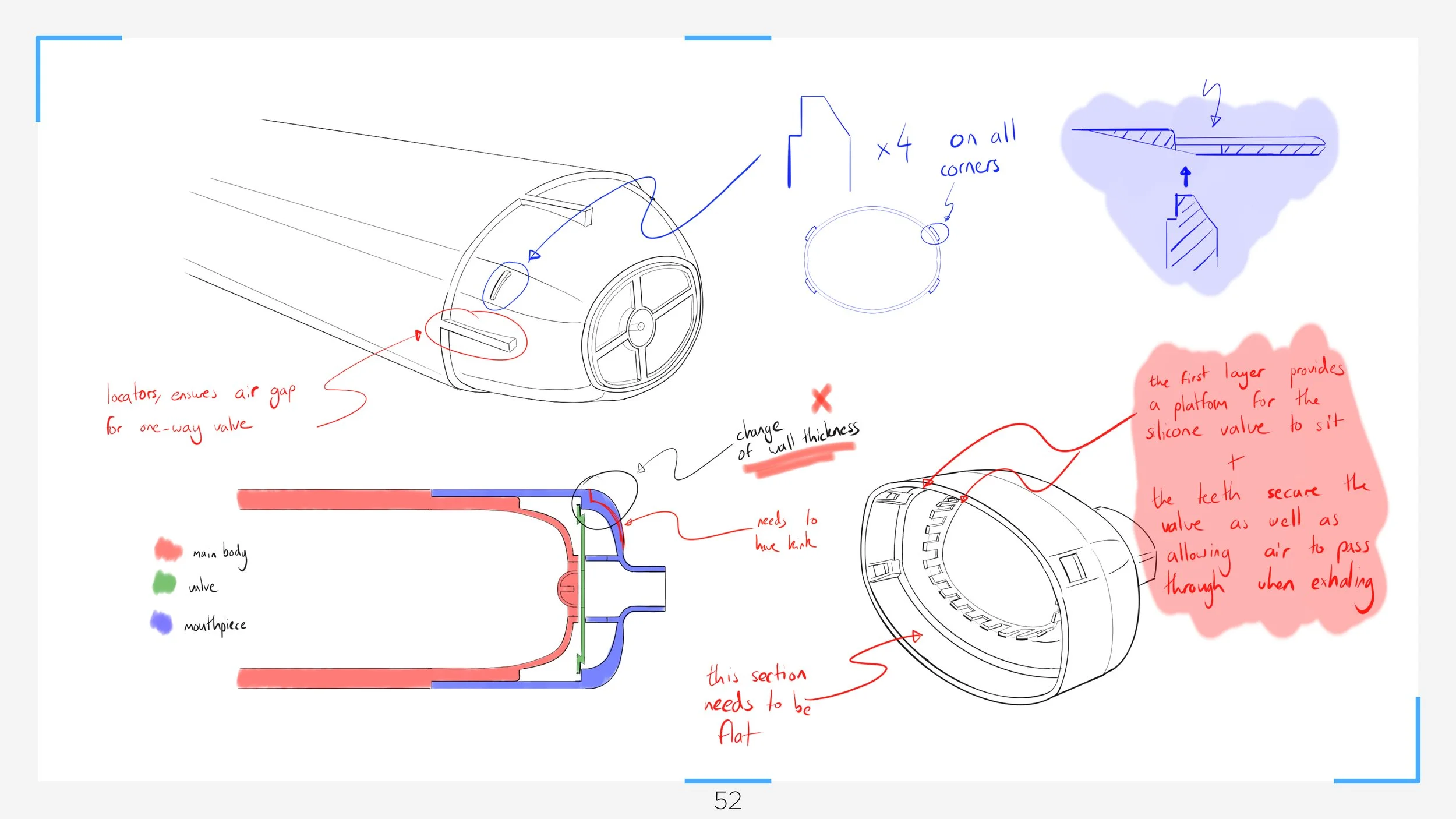
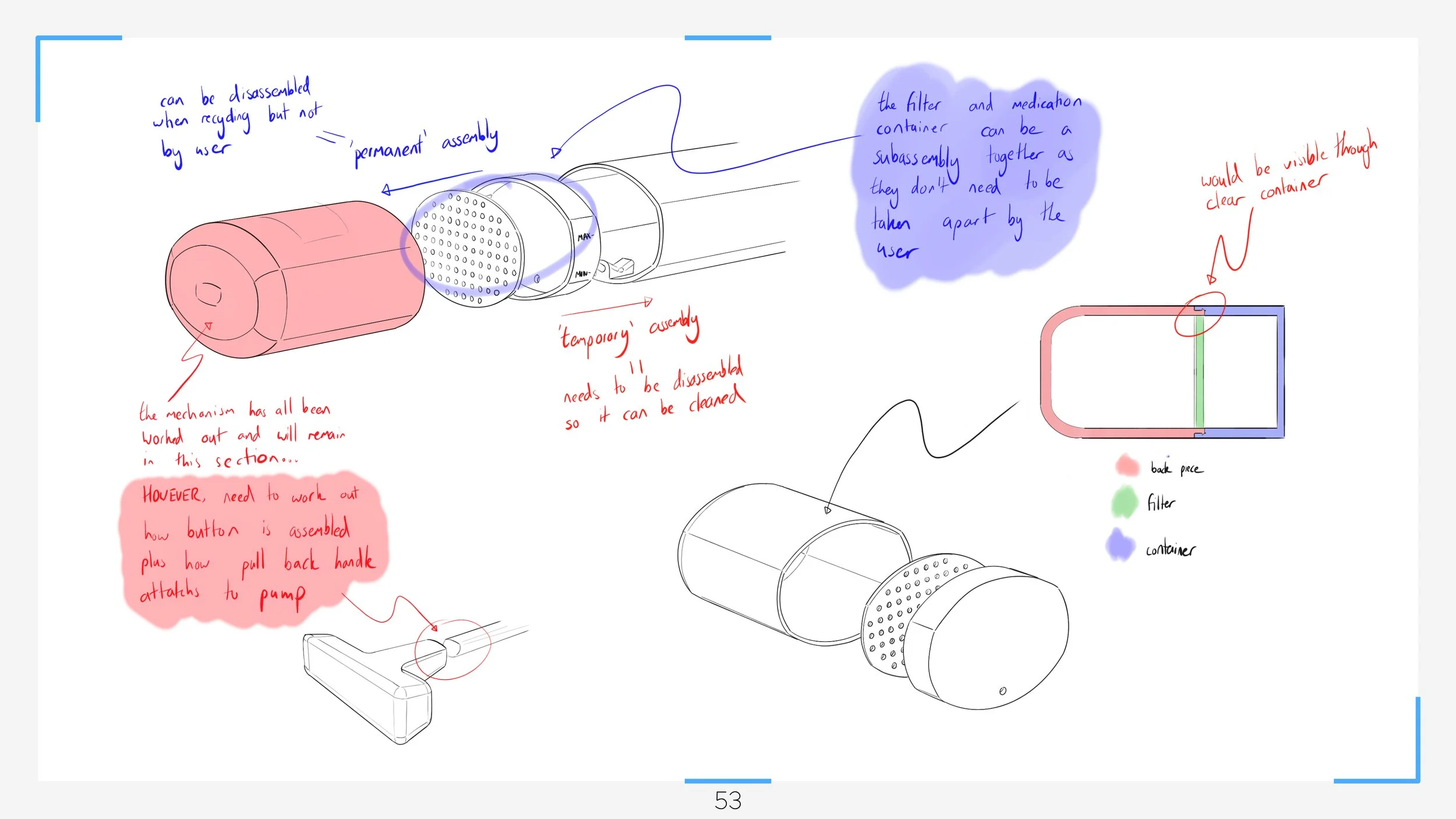
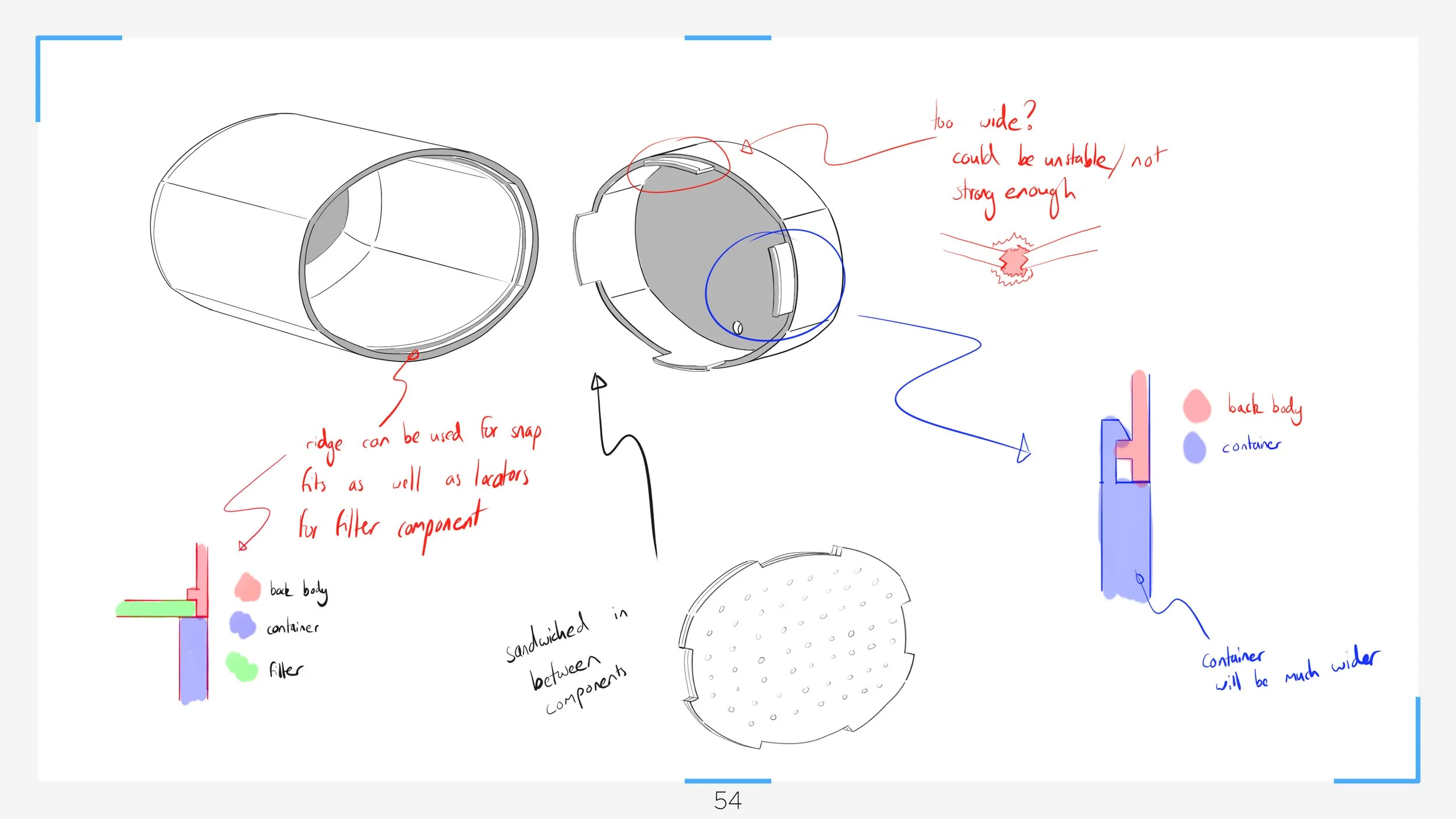
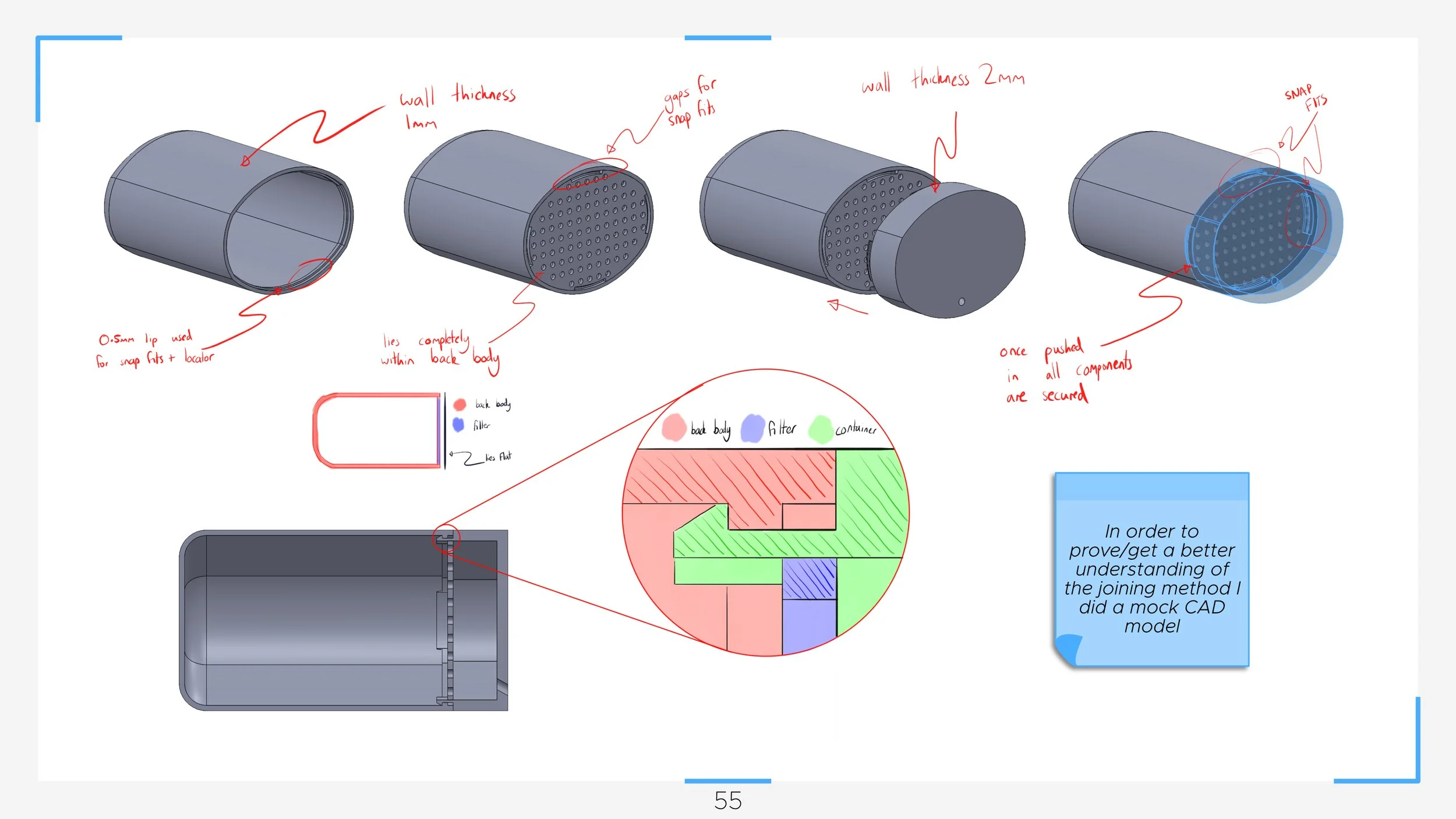
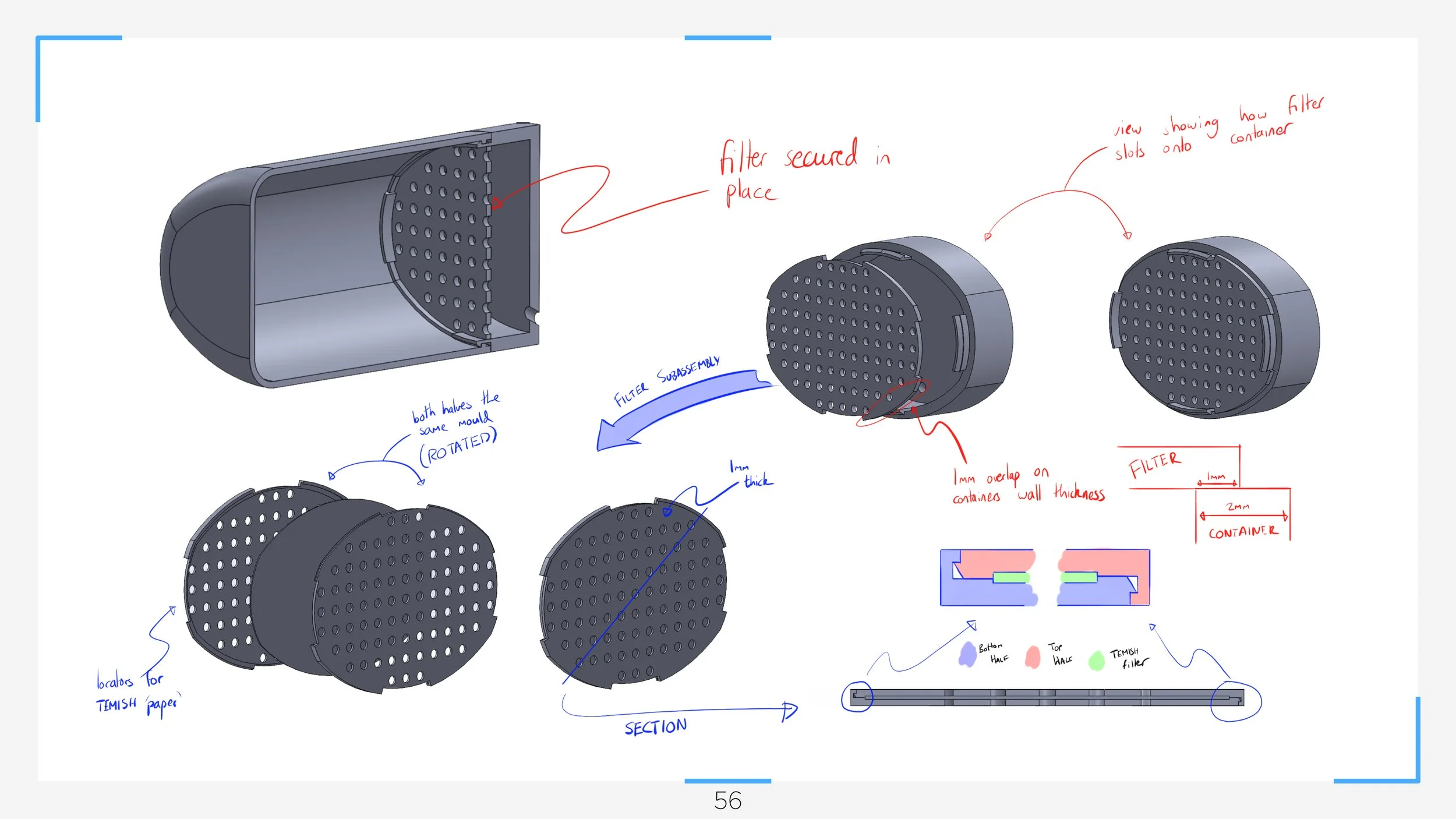
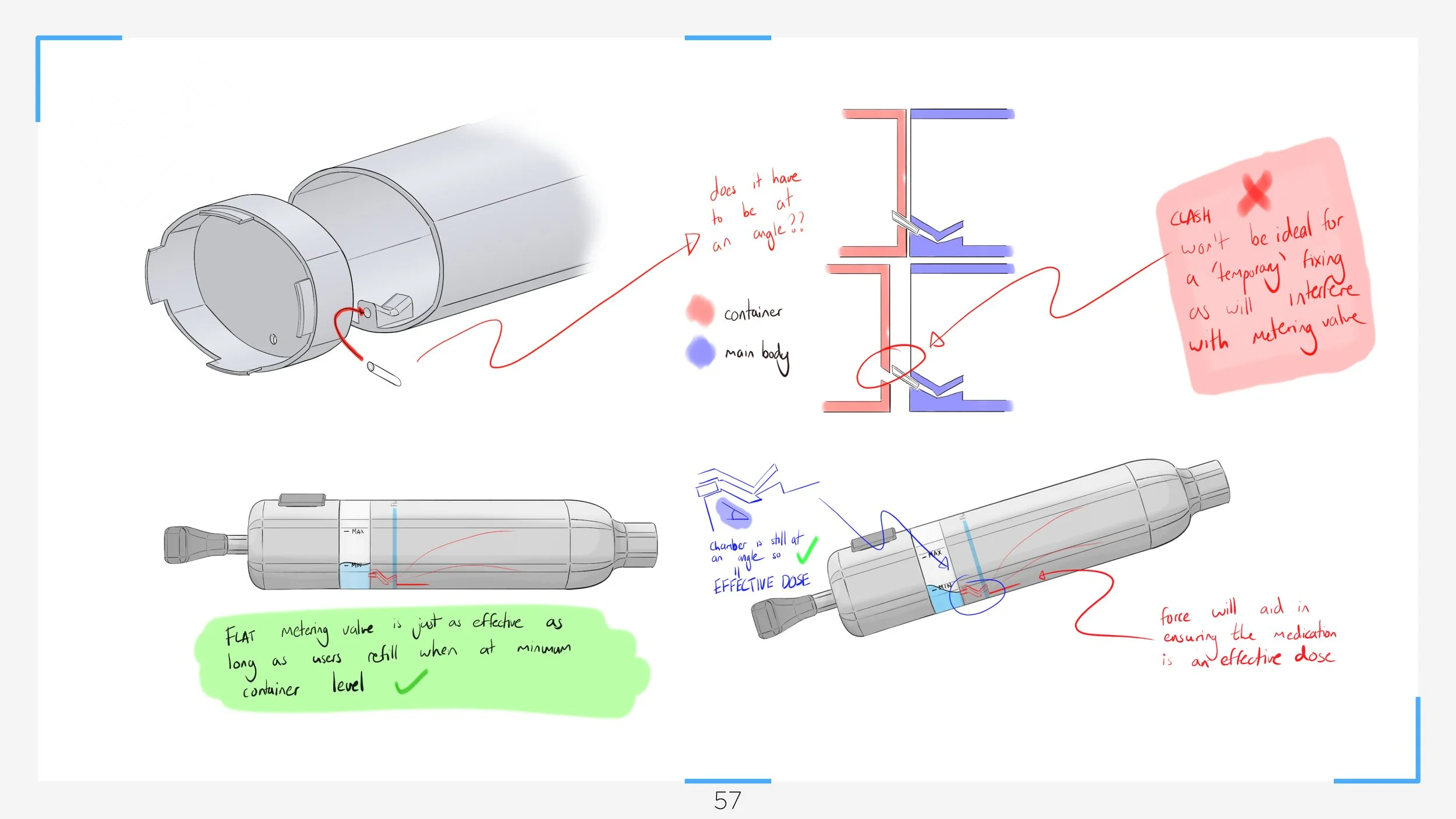
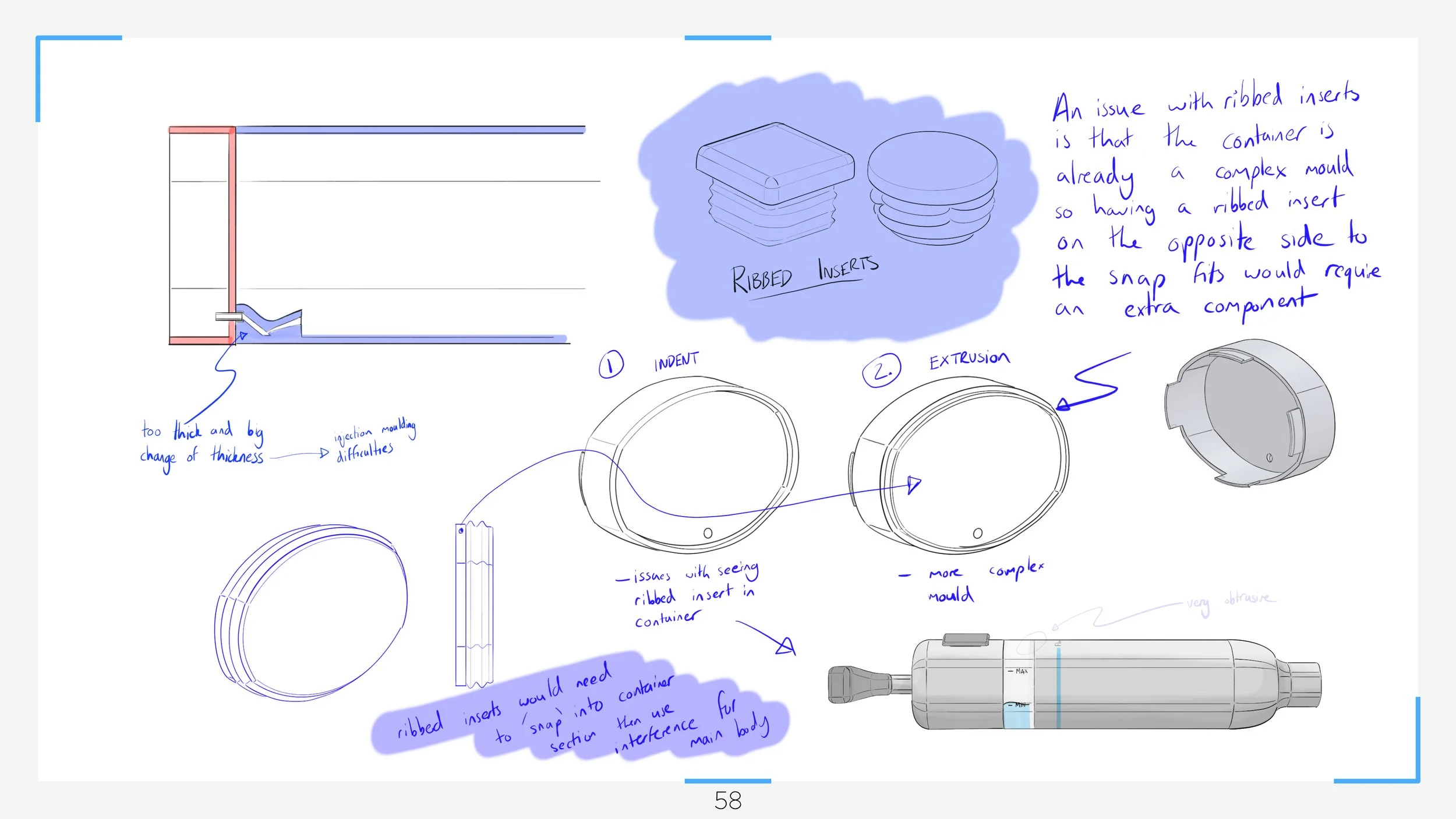
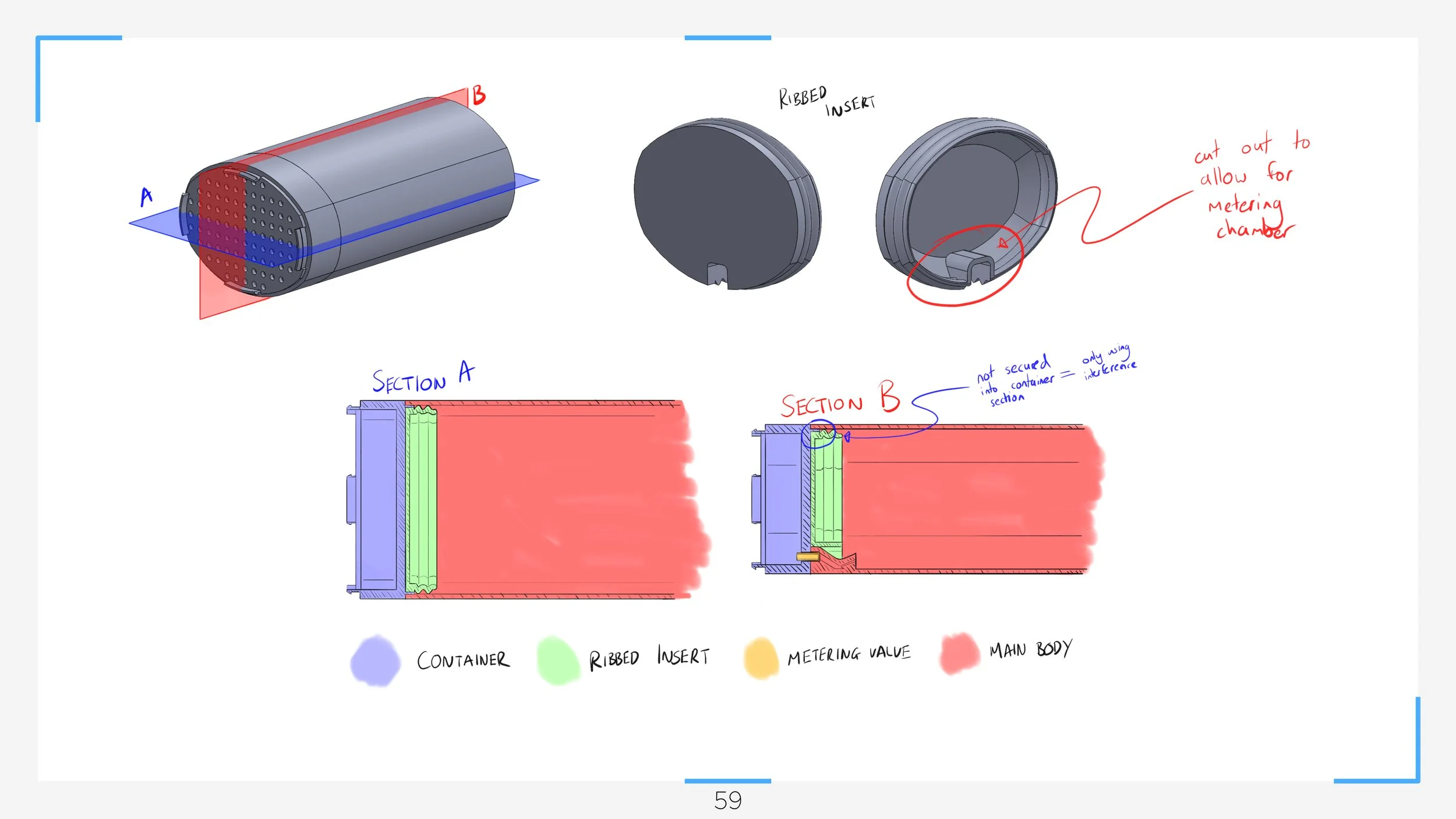
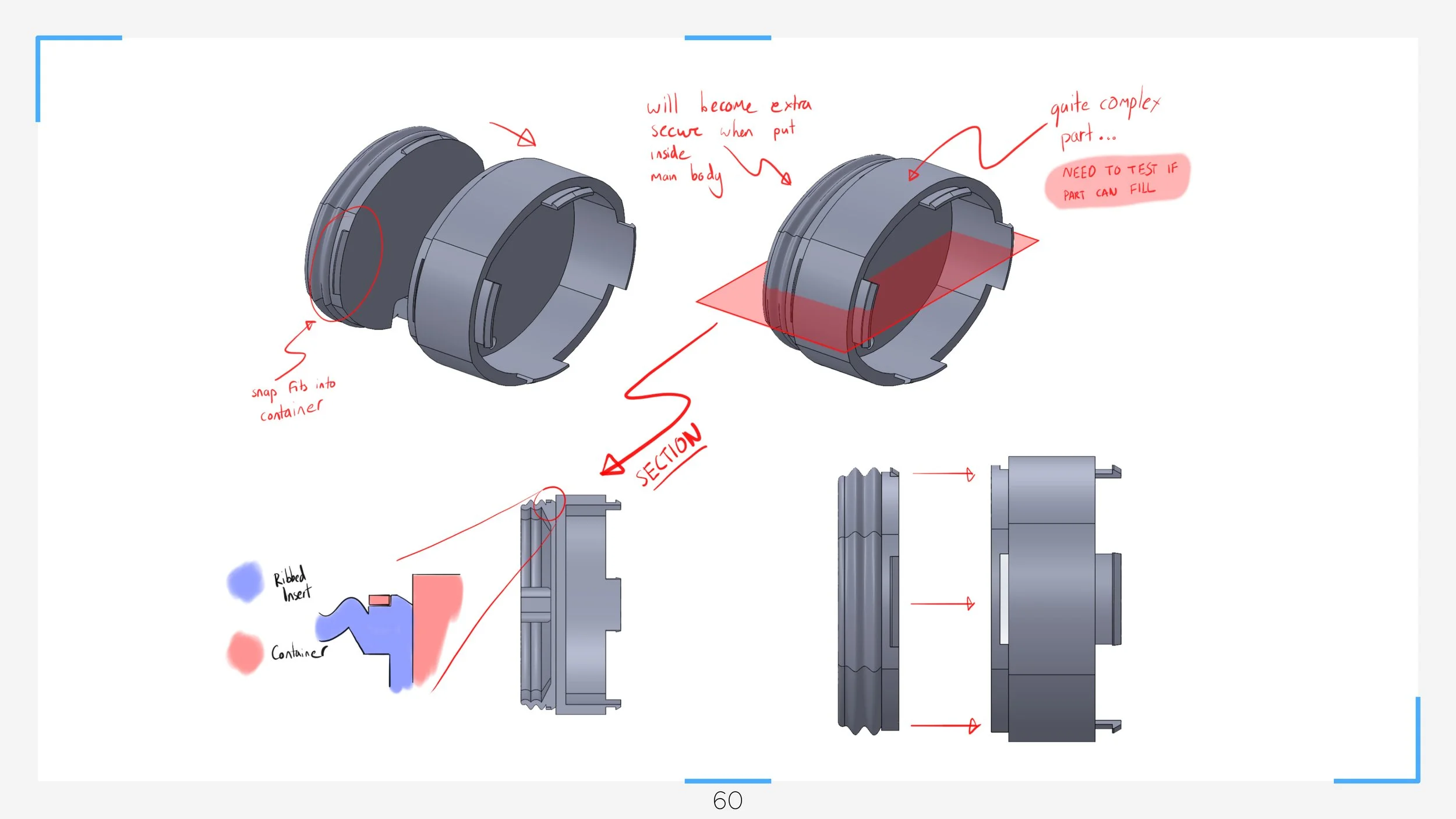
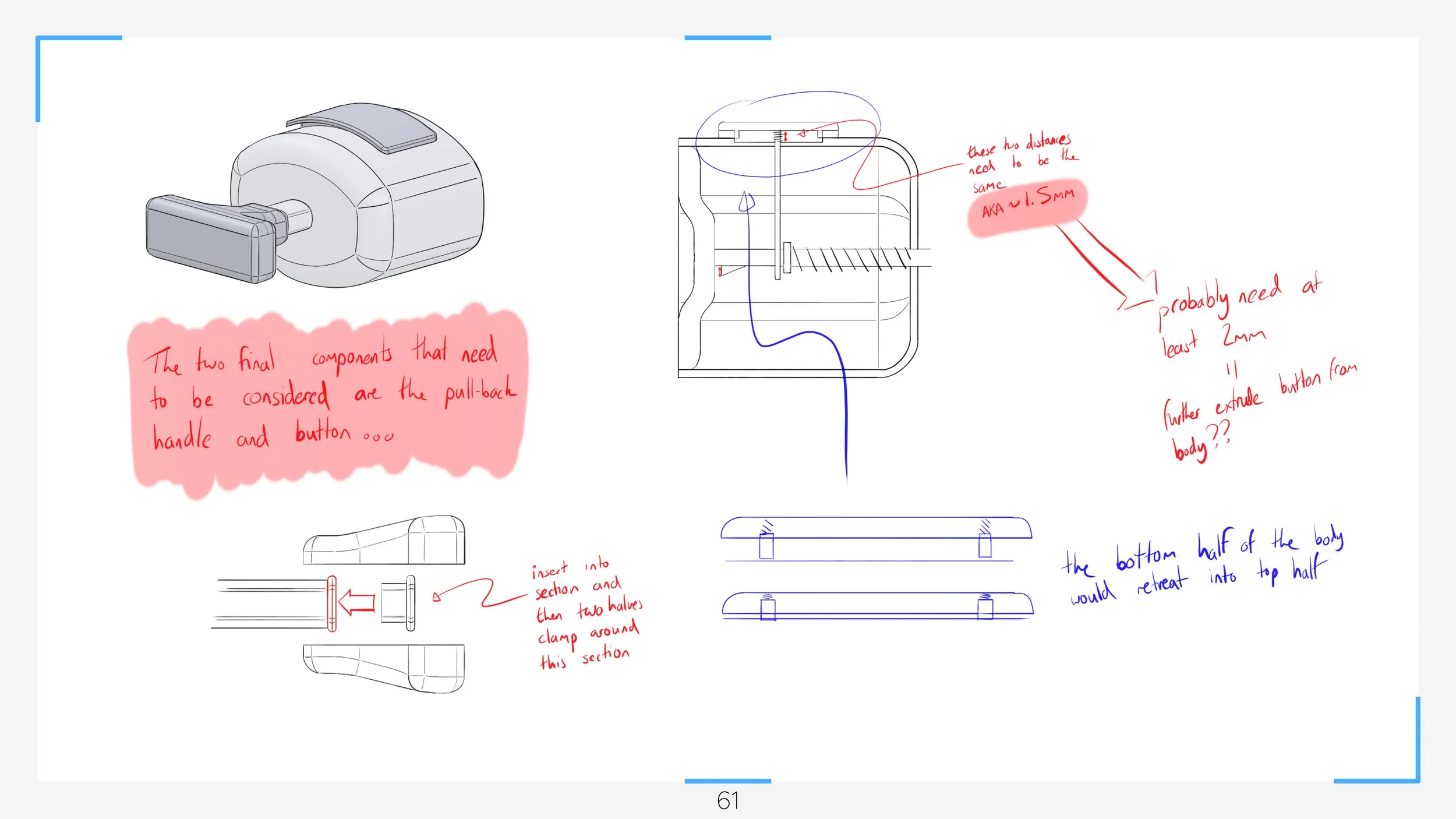
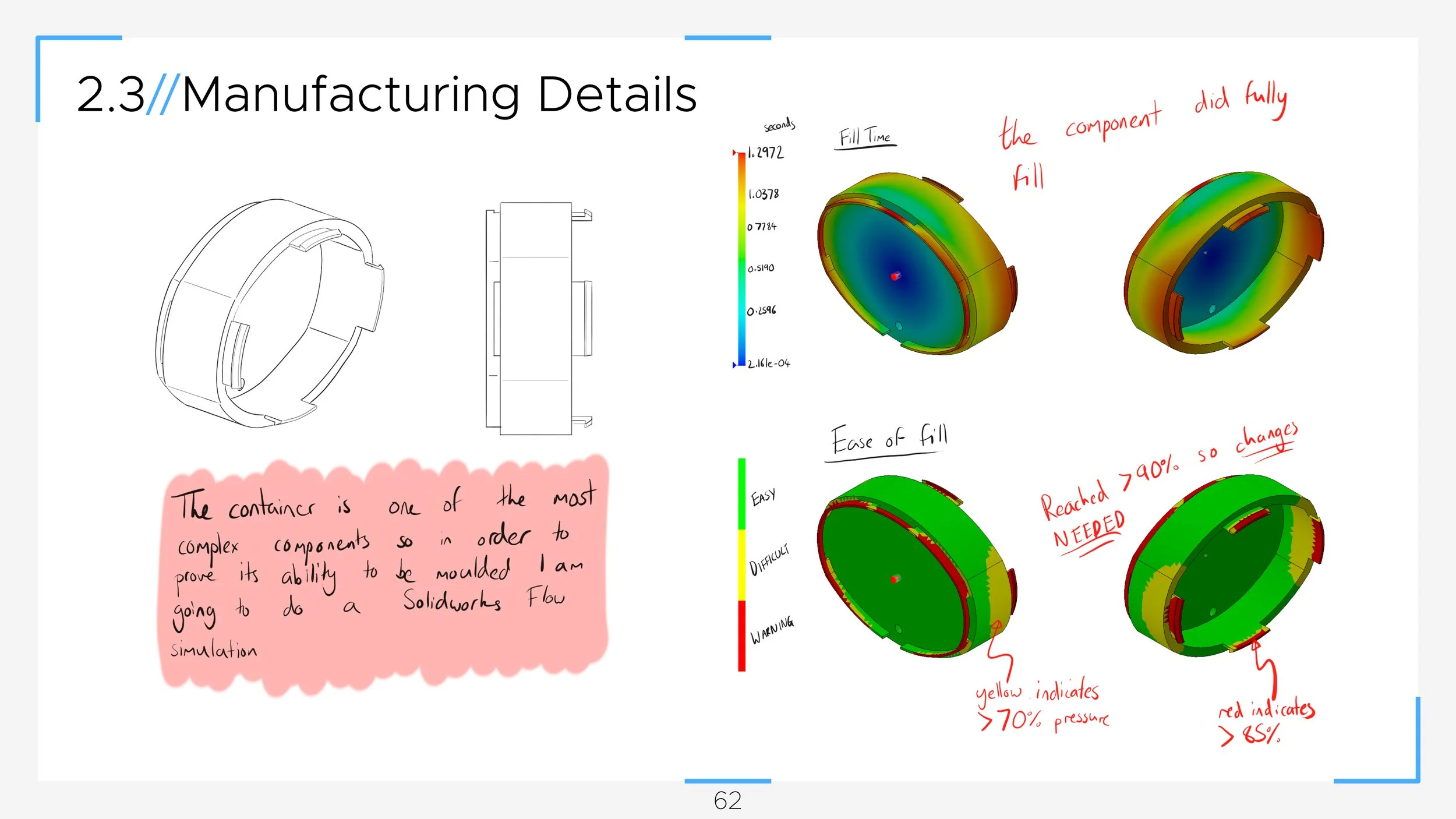
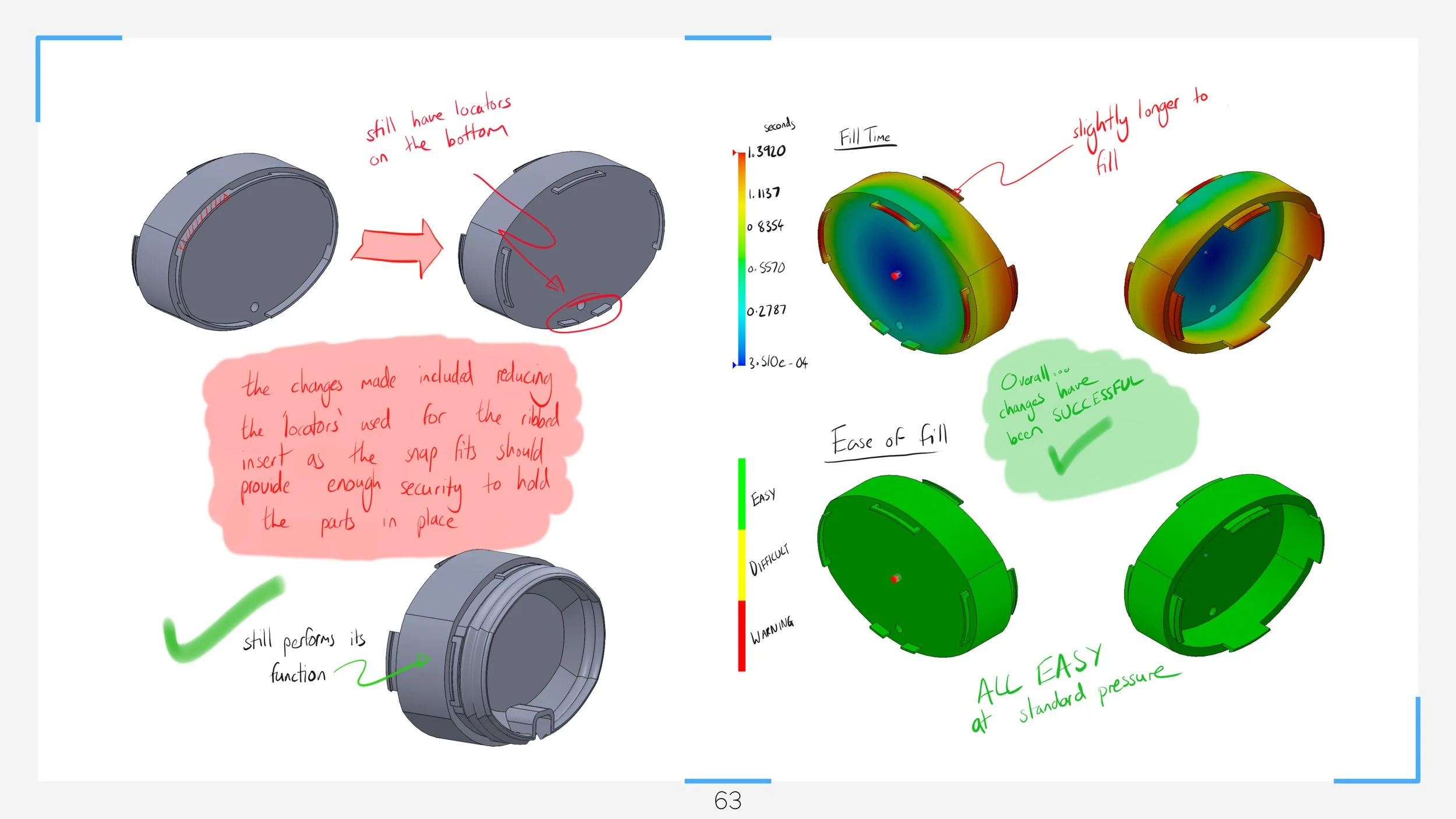
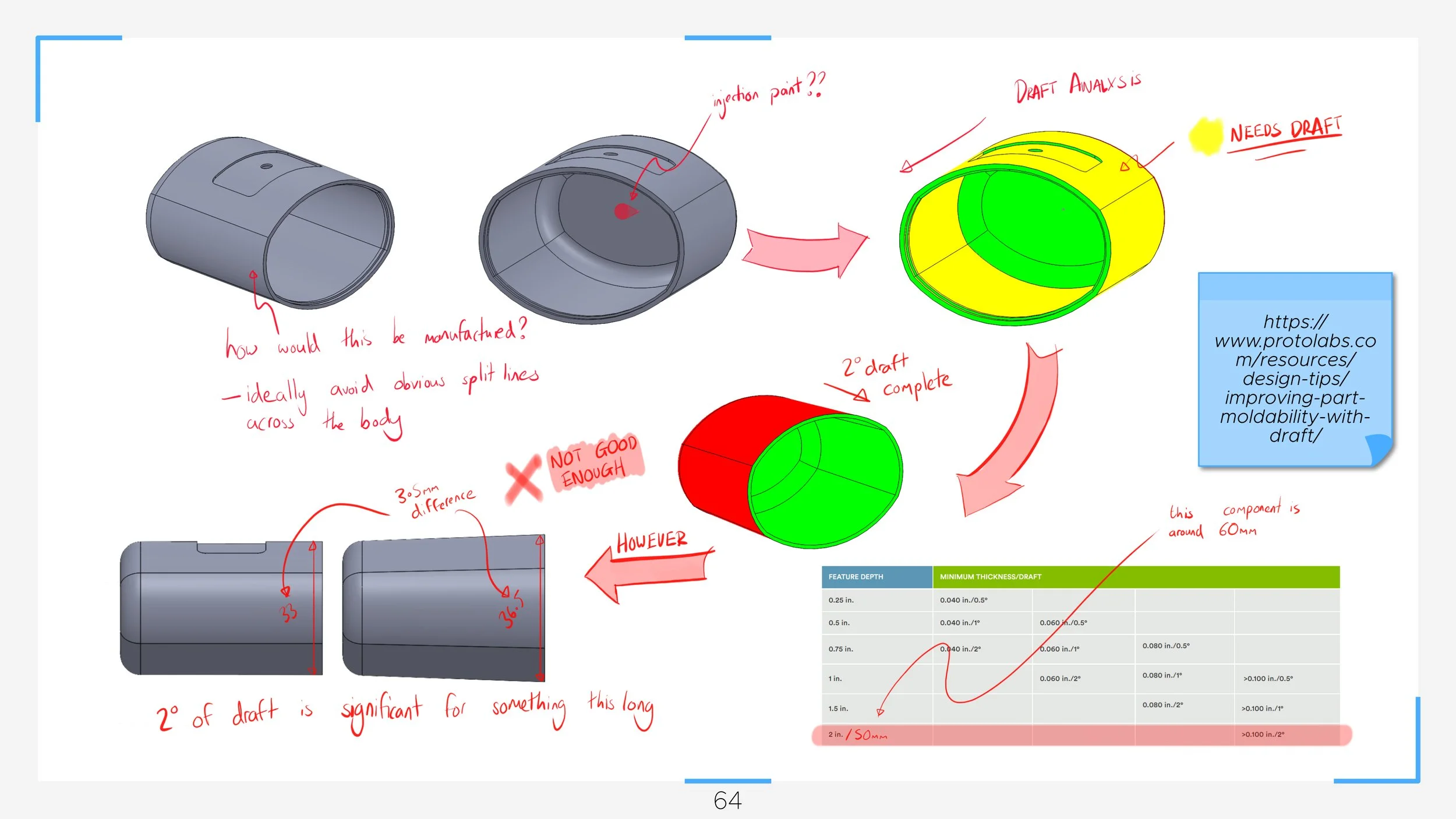
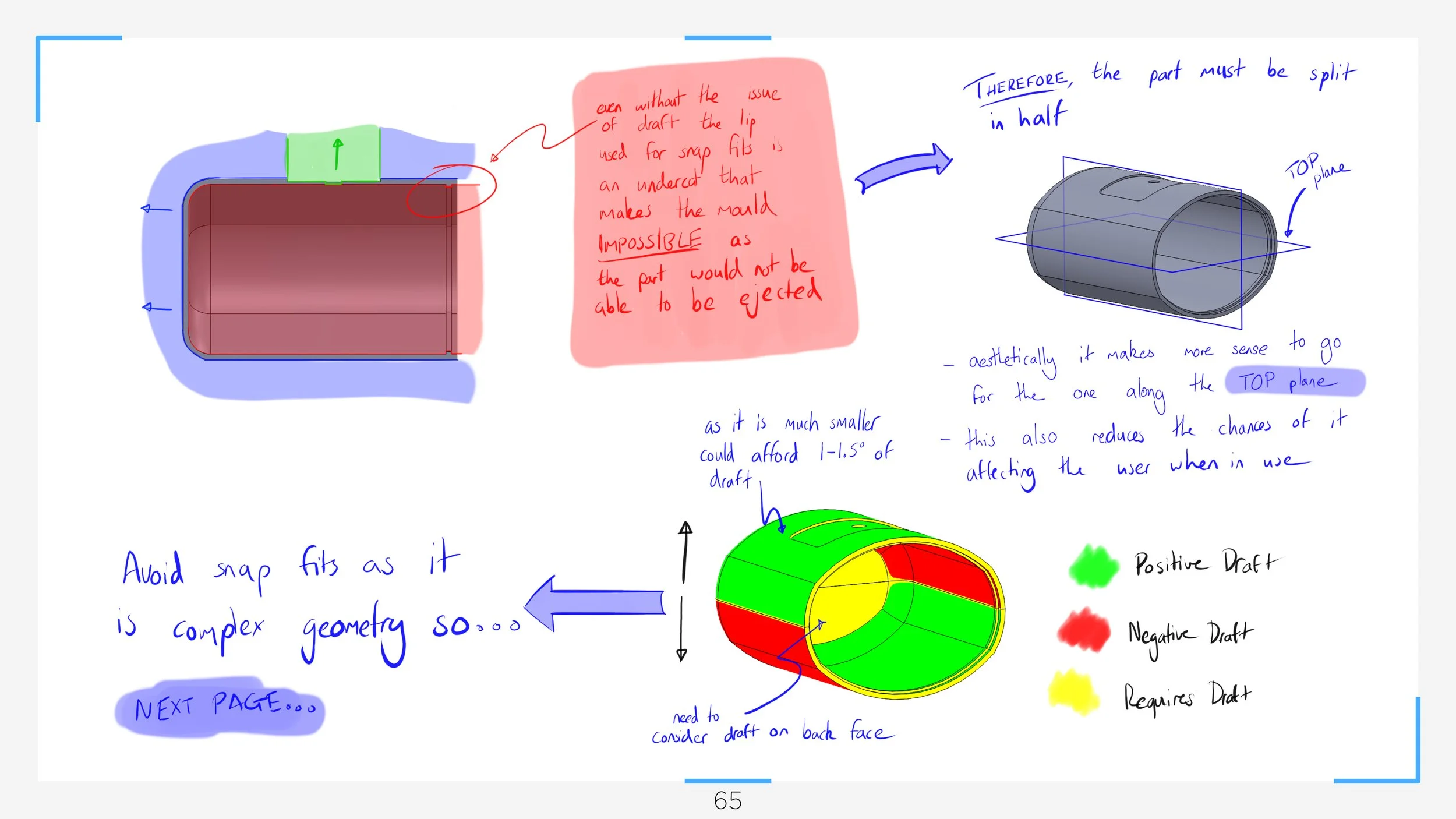
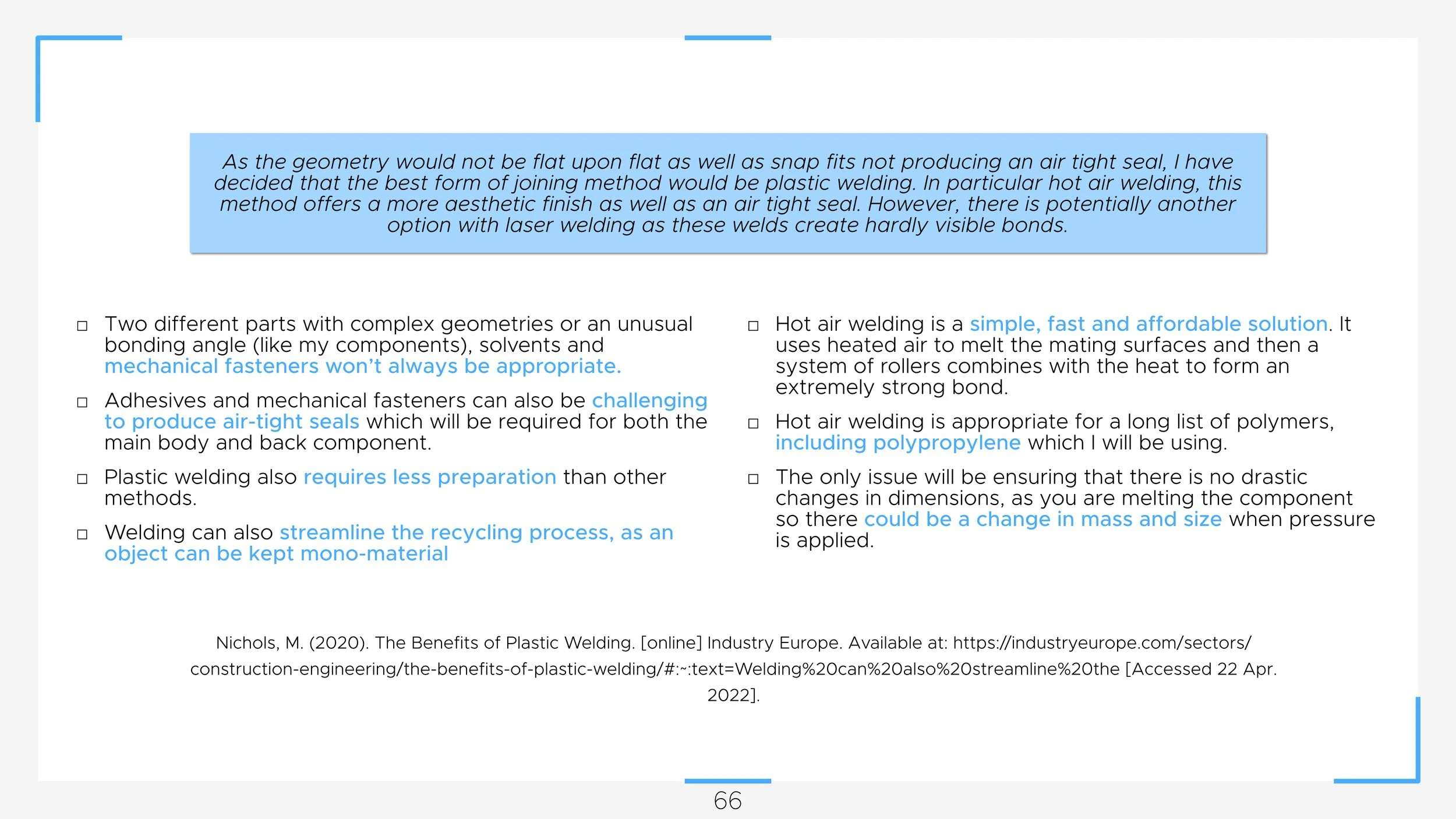
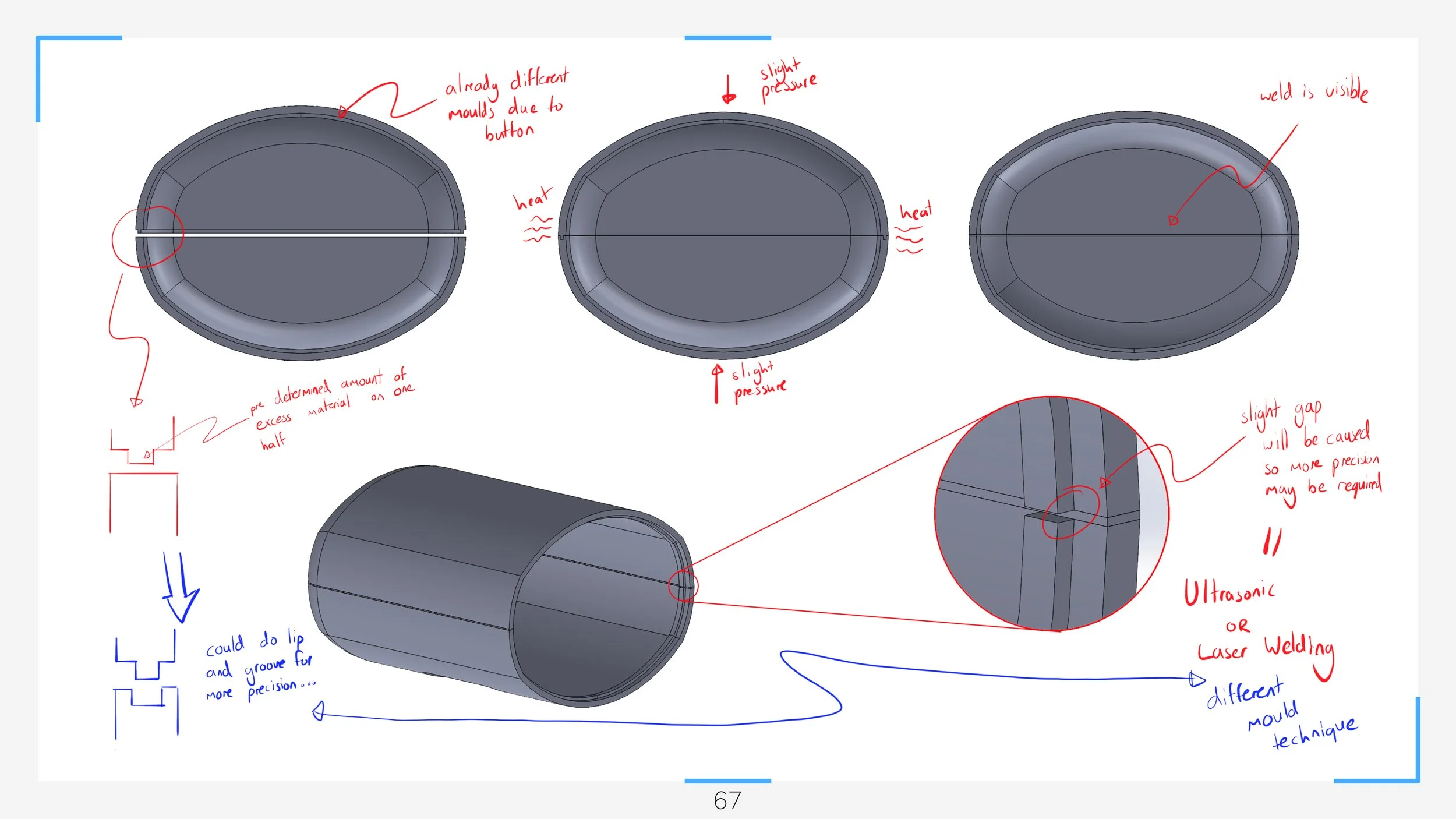
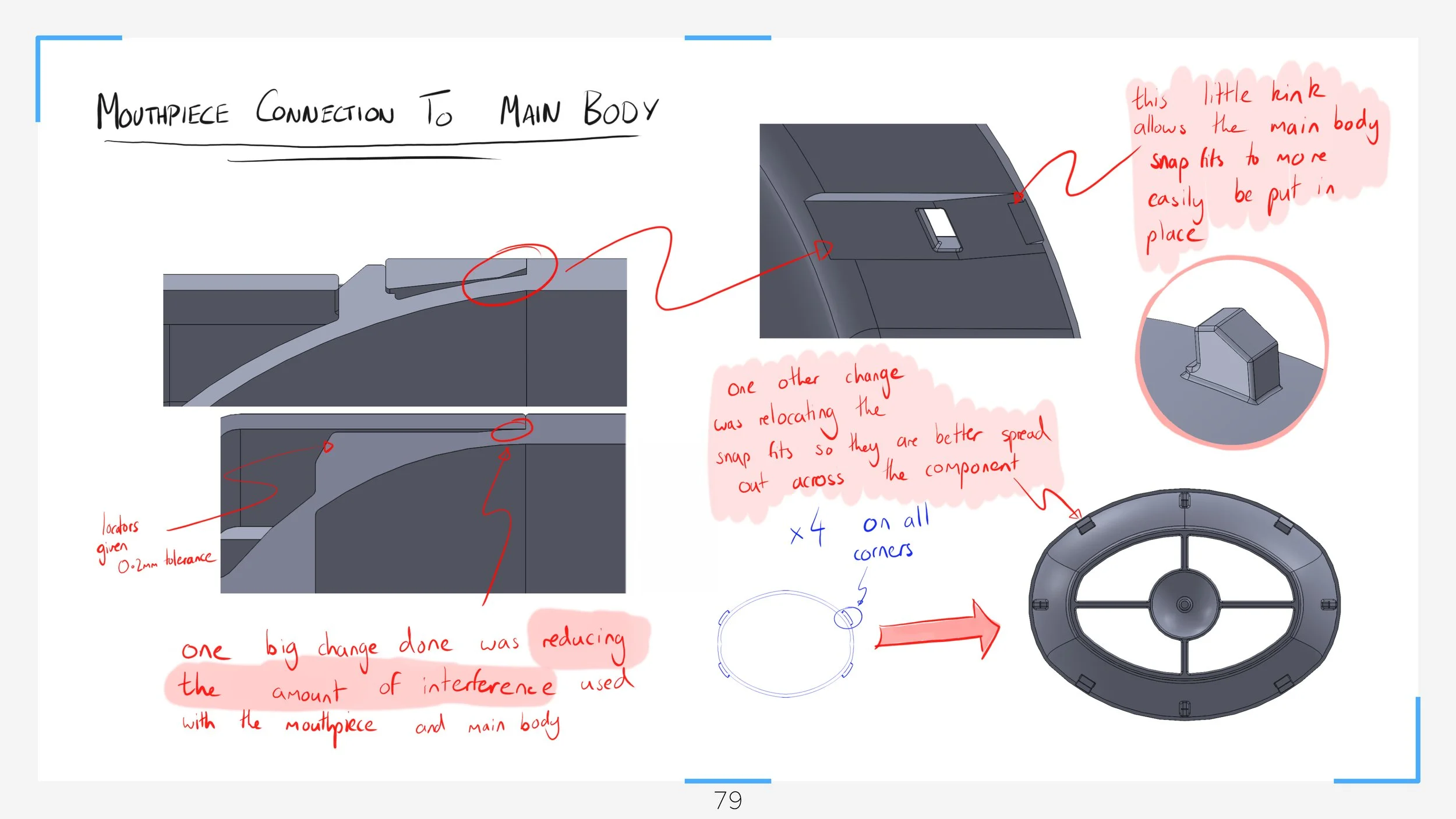
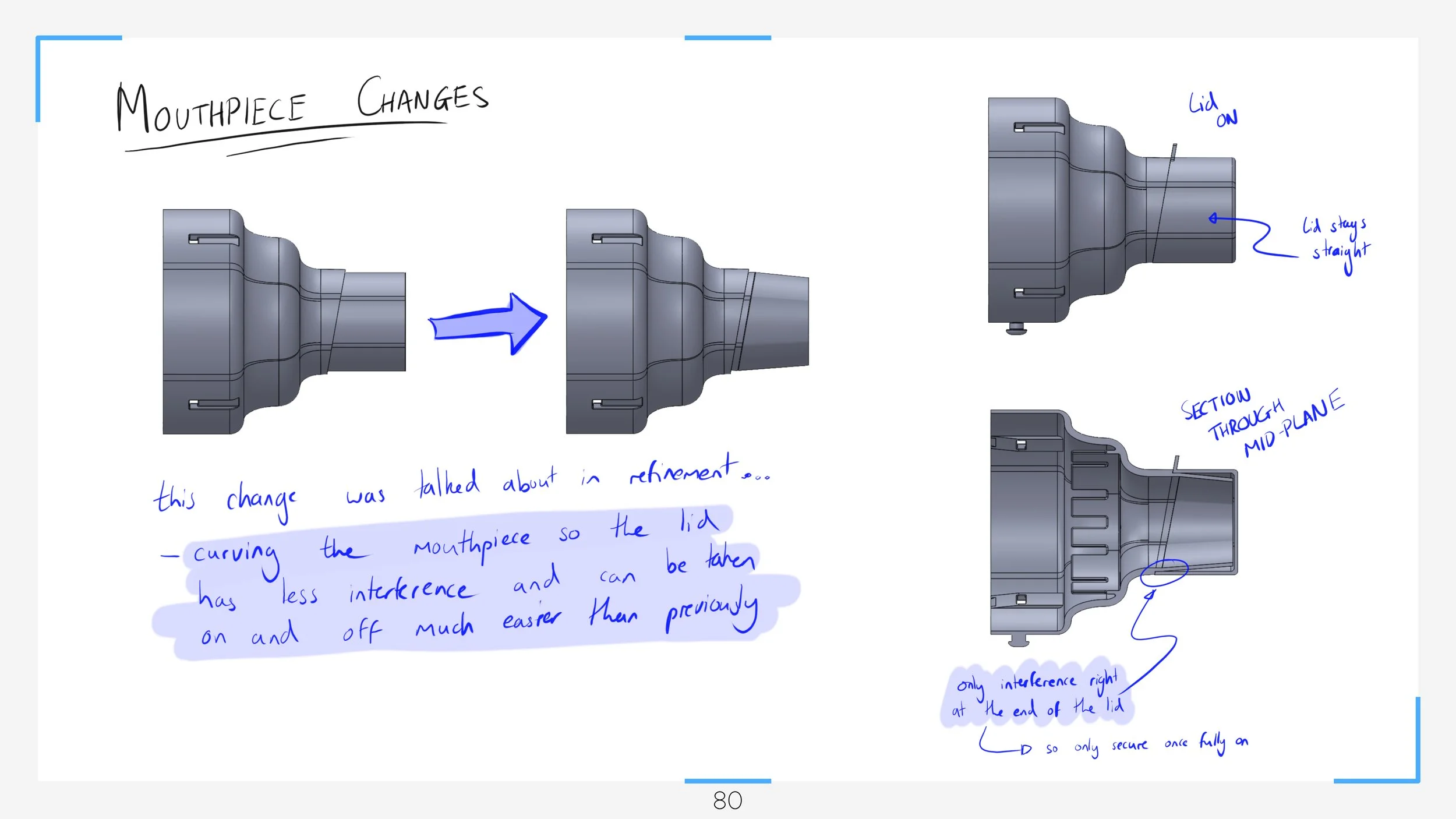
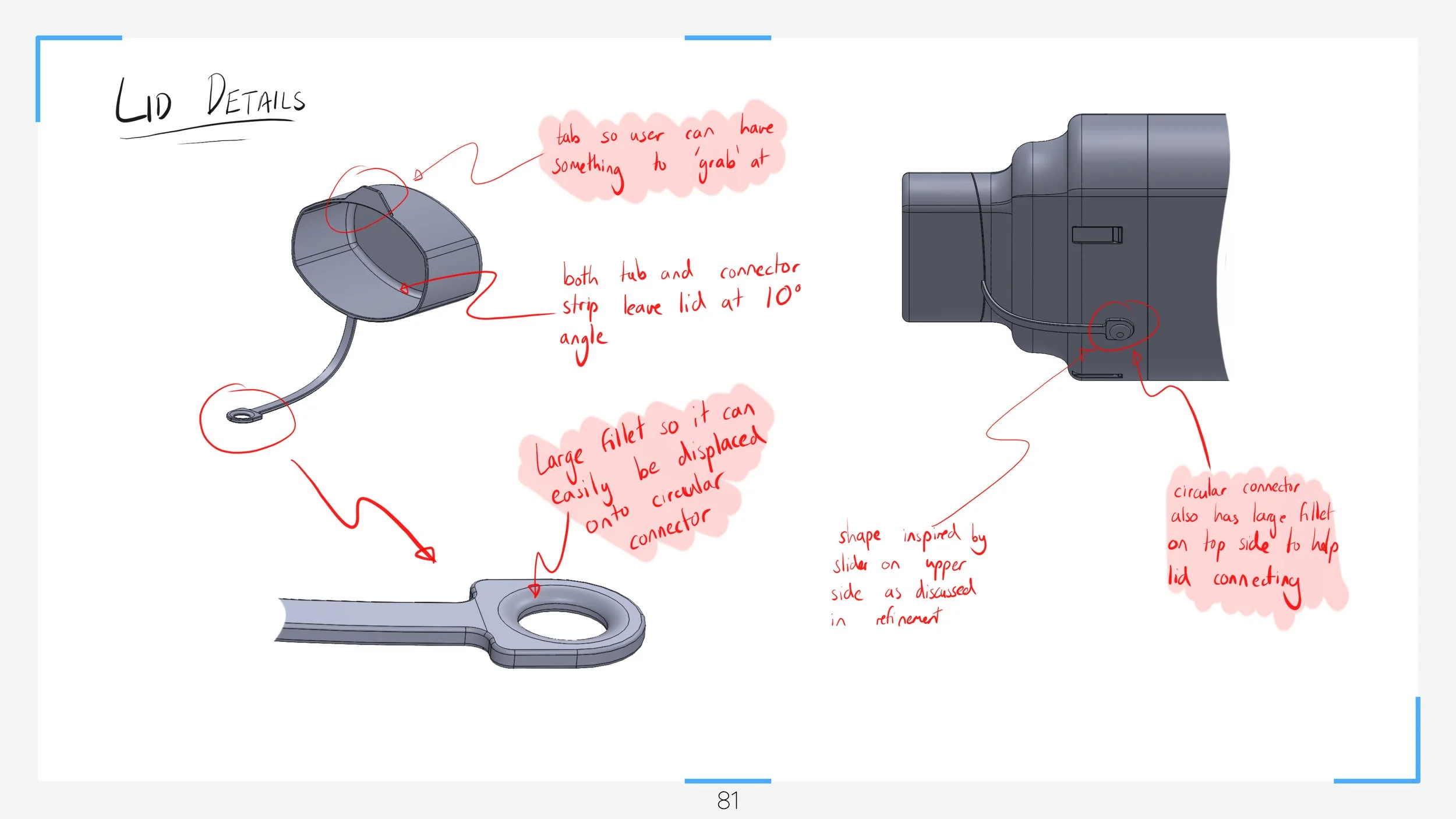
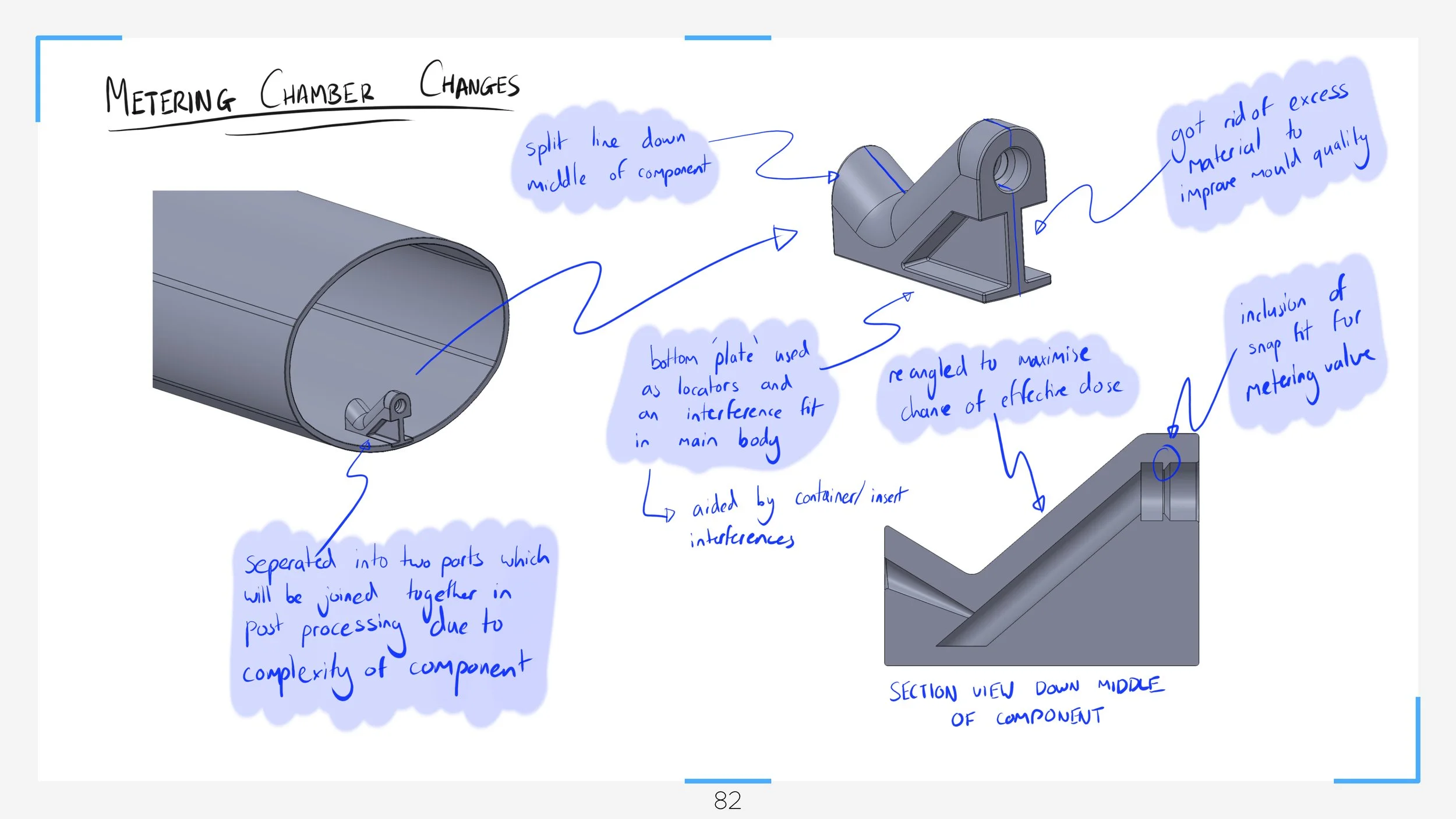
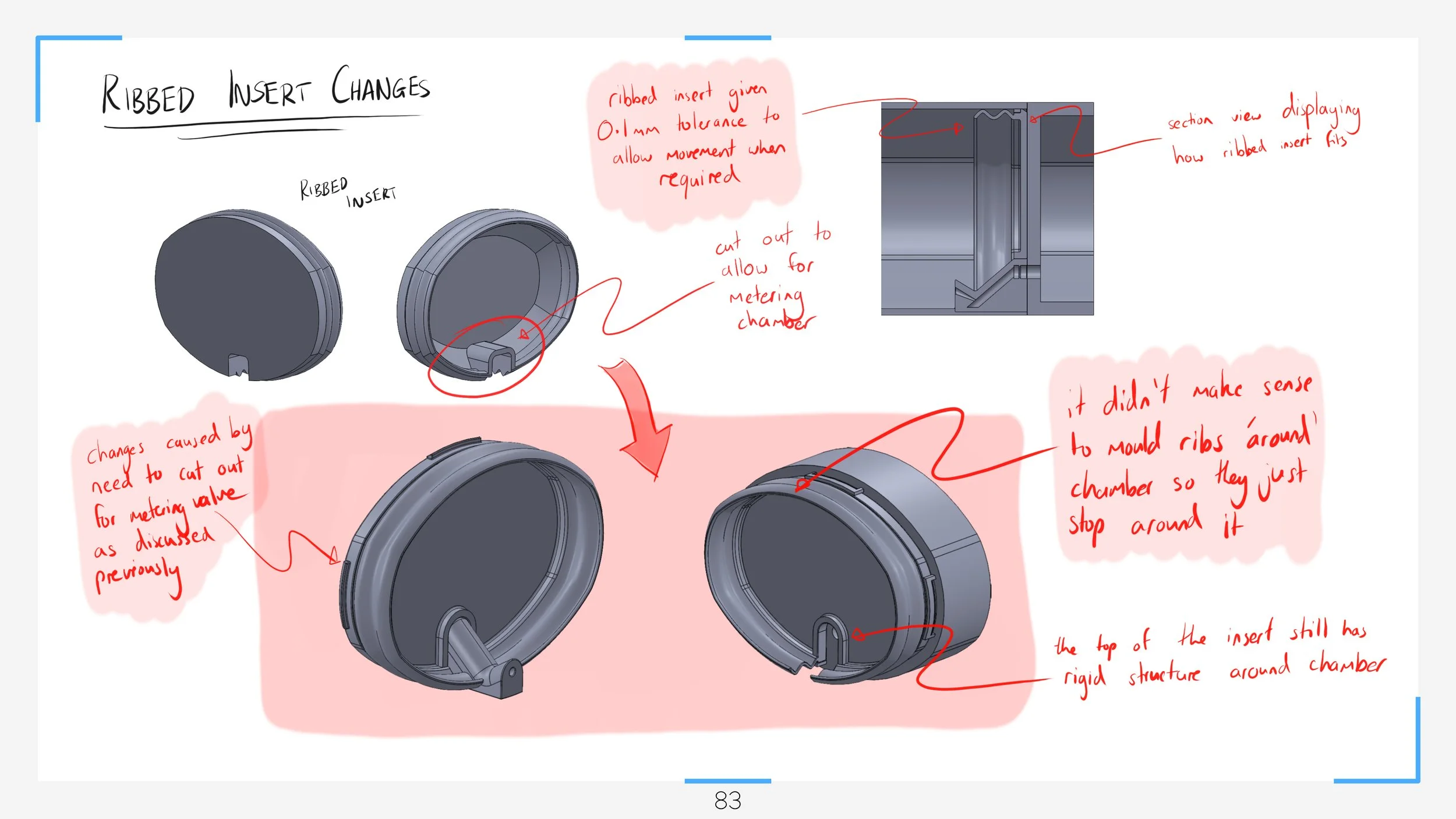
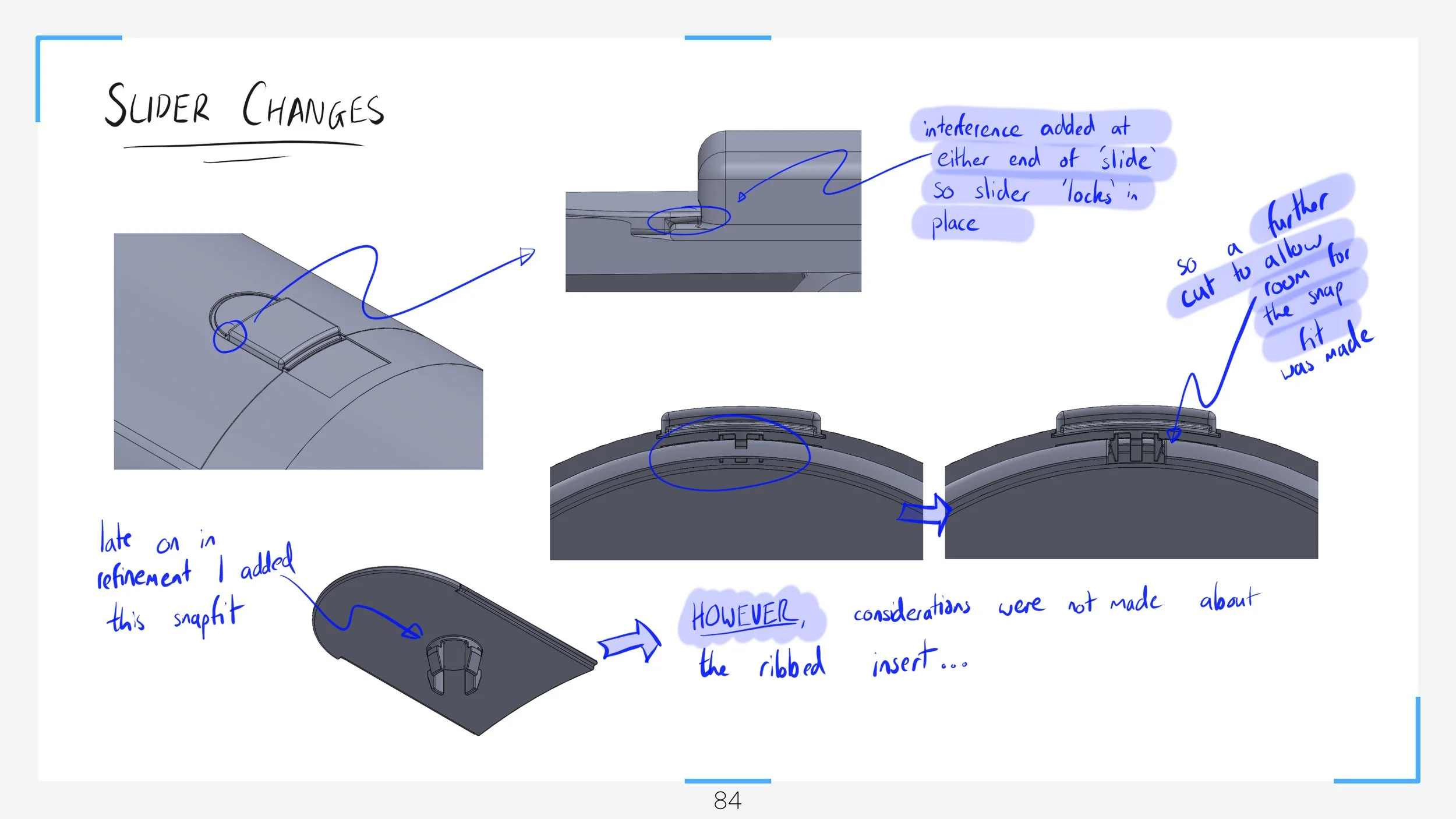
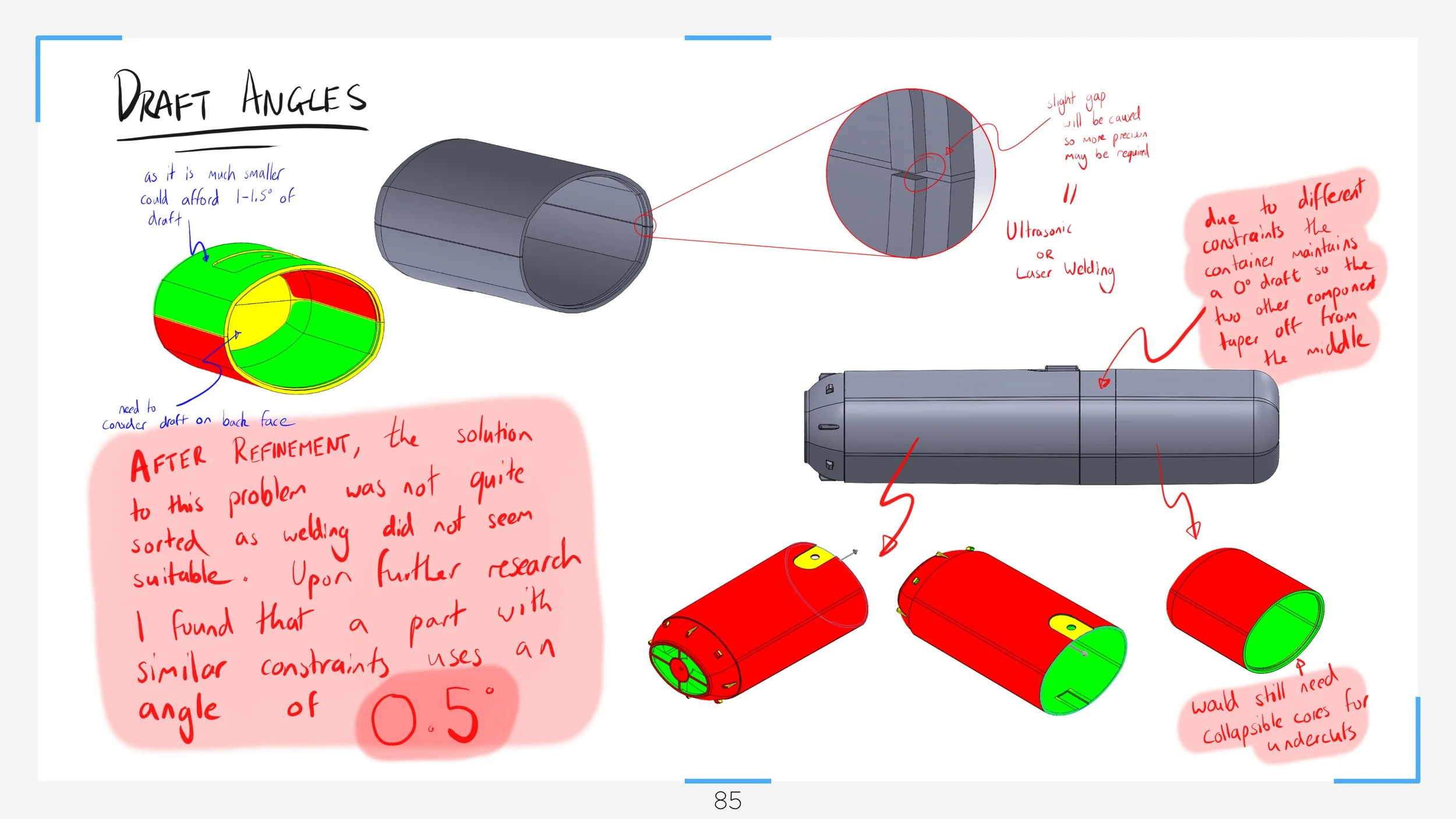
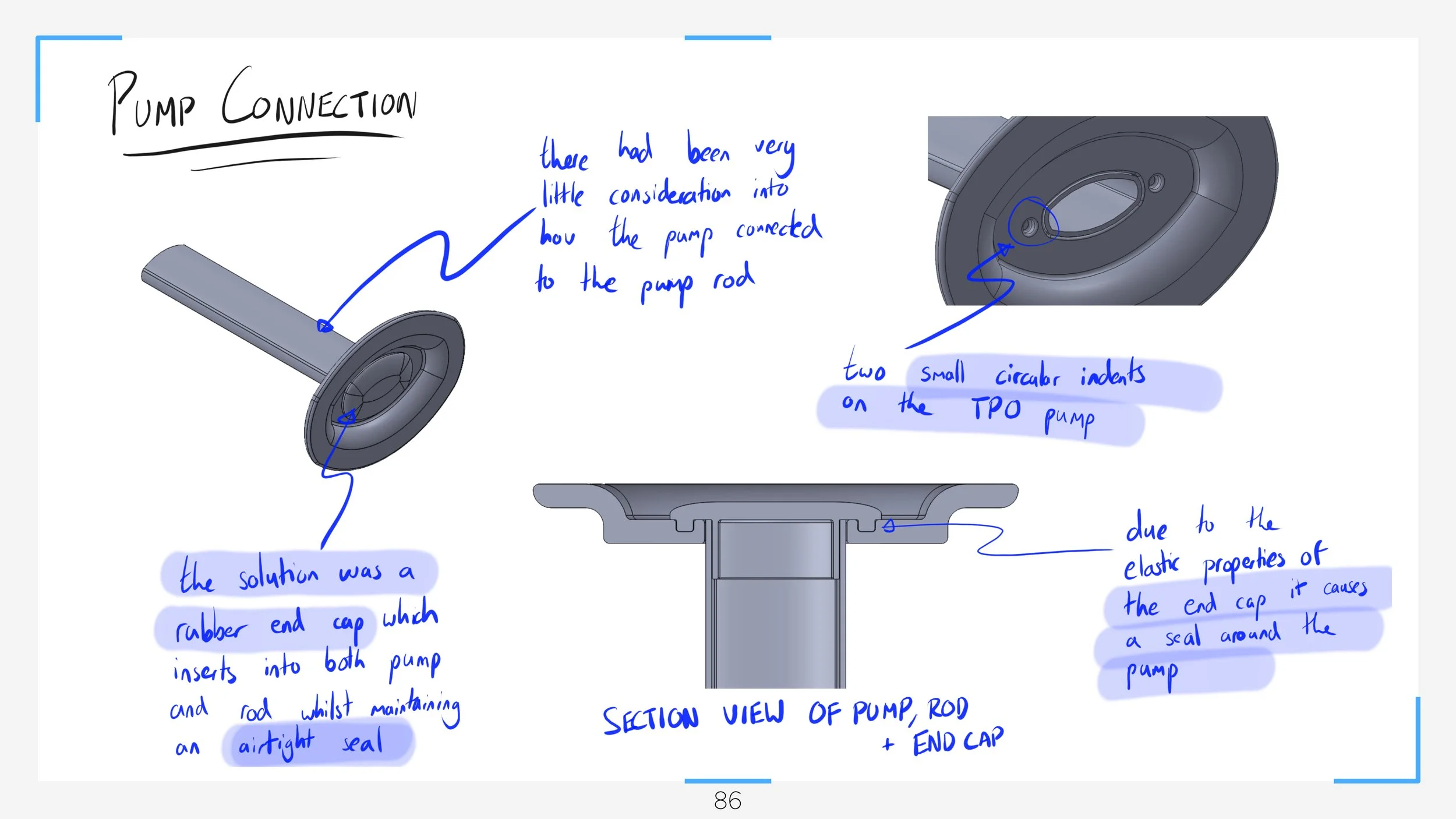
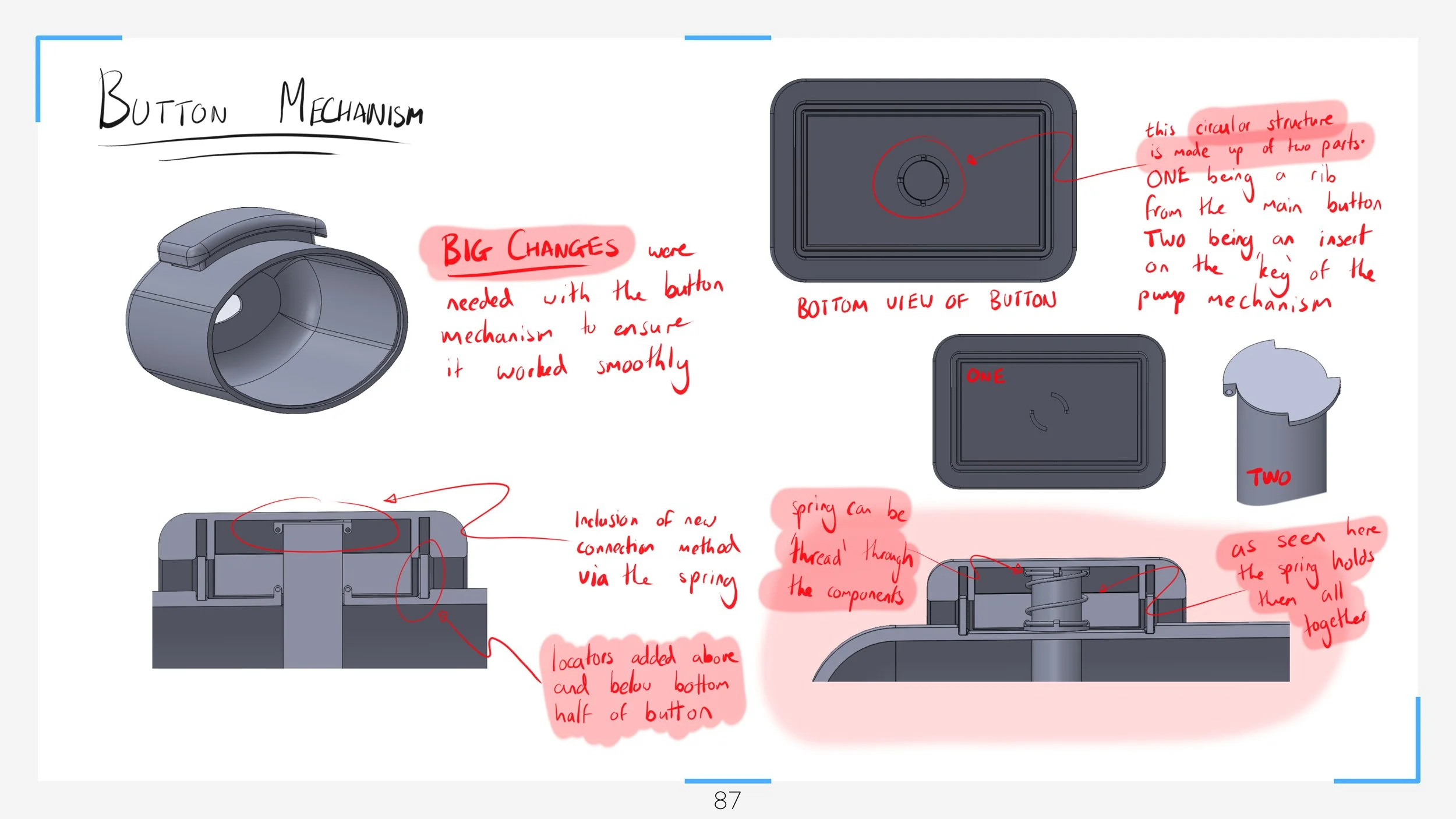
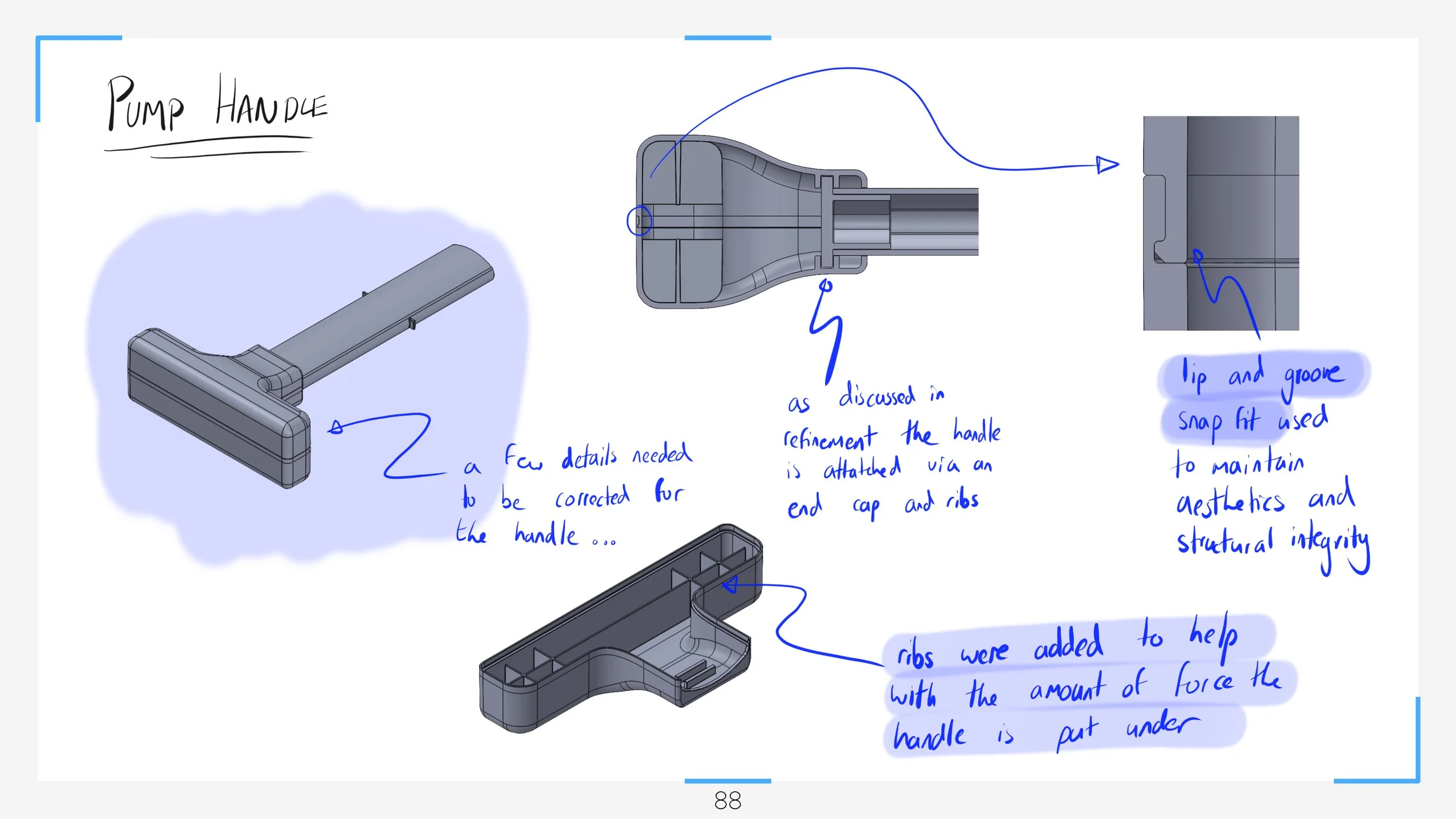
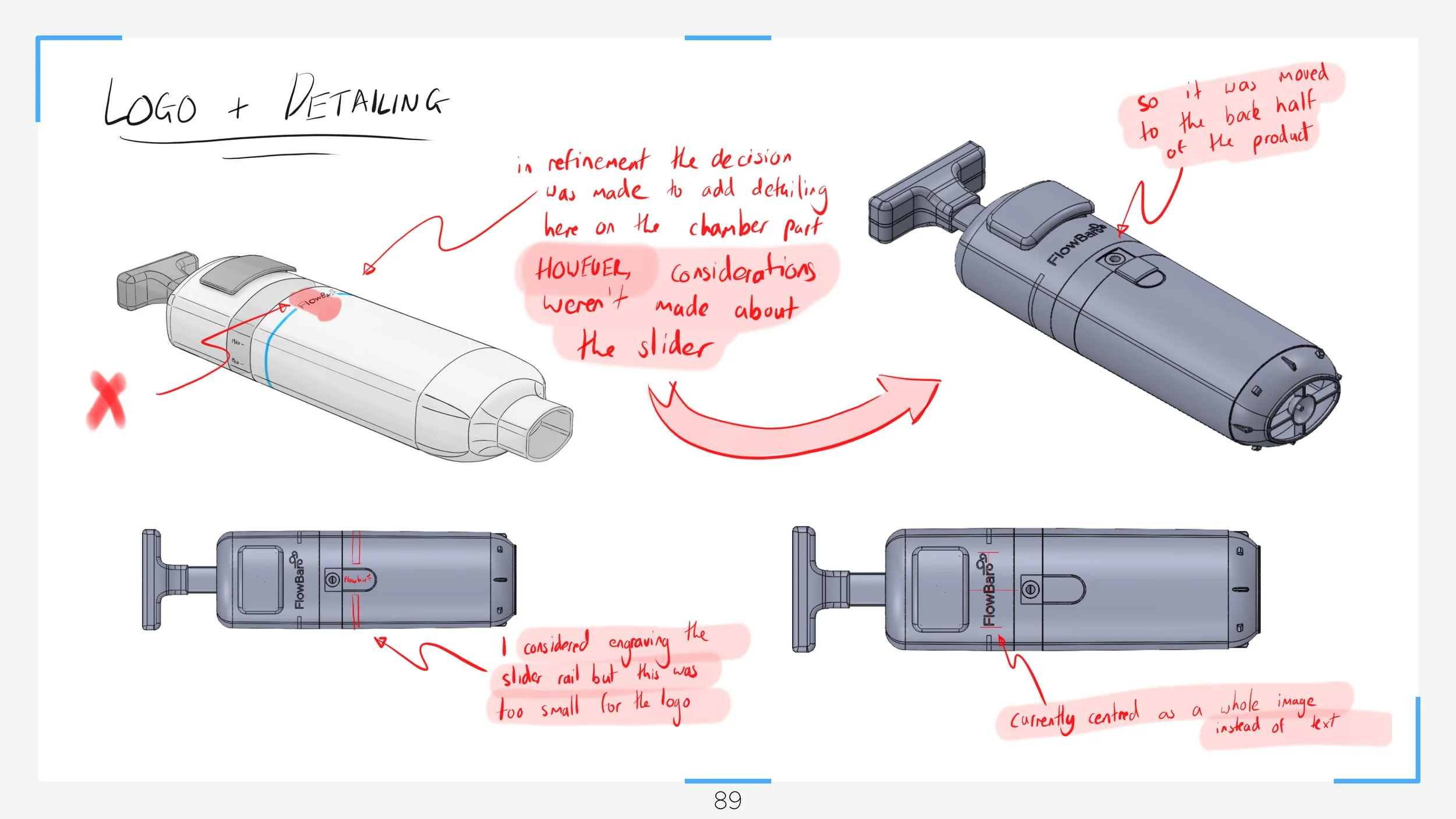
After the decision to follow the e-cigarette inspired design was made it was time to begin developing and refining the idea to a complete final product. This process involved delving deep into all manufacturing, mechanical, assembly and human factor aspects of the design. Various different methods were used throughout this stage including FDM 3D printed models, computer aided simulations, CES material software, user studies and many more…
To fully absorb all the content feel free to scroll through the different stages of this process below and see how I came upon my final design for the FlowBar!



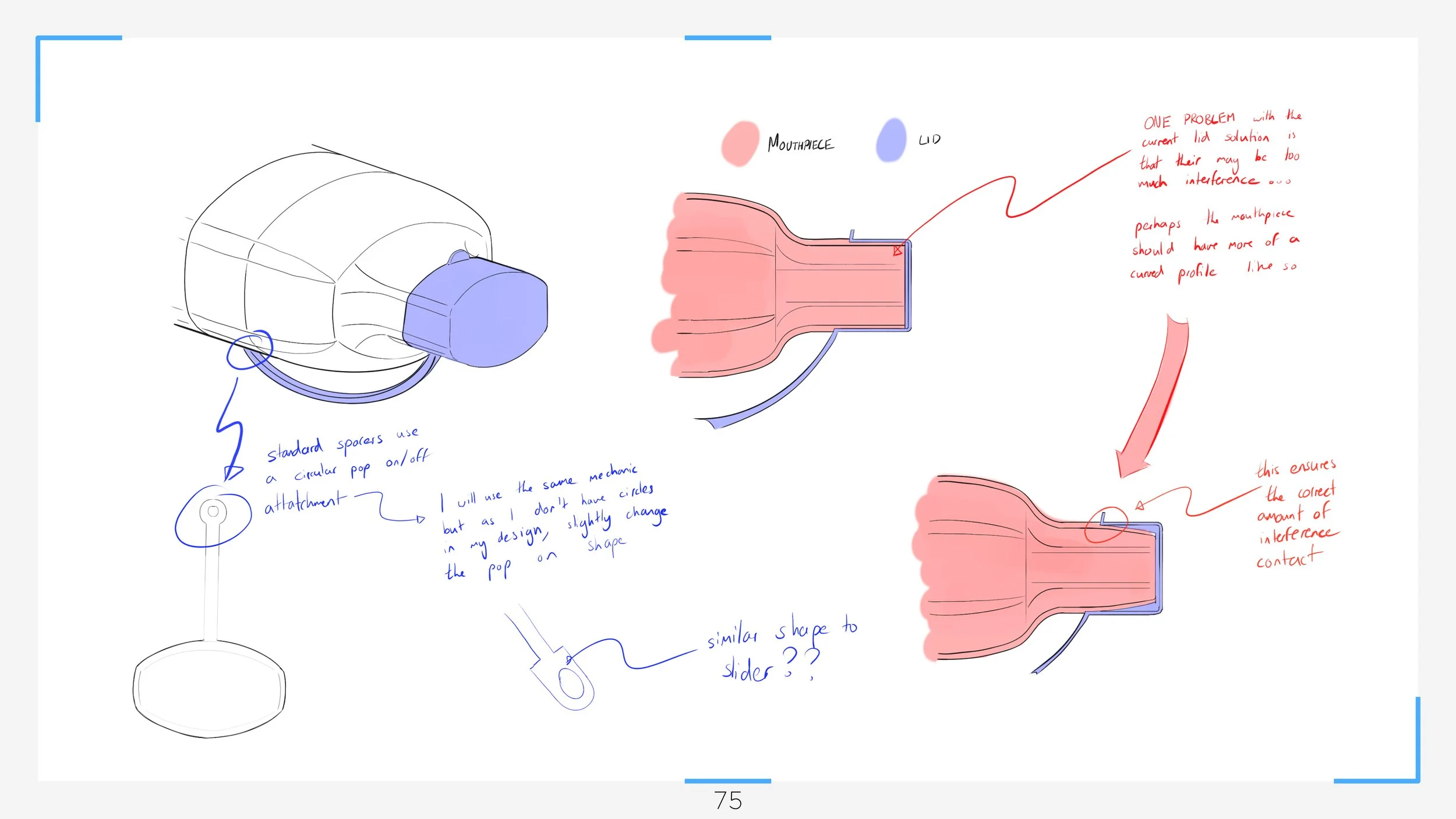
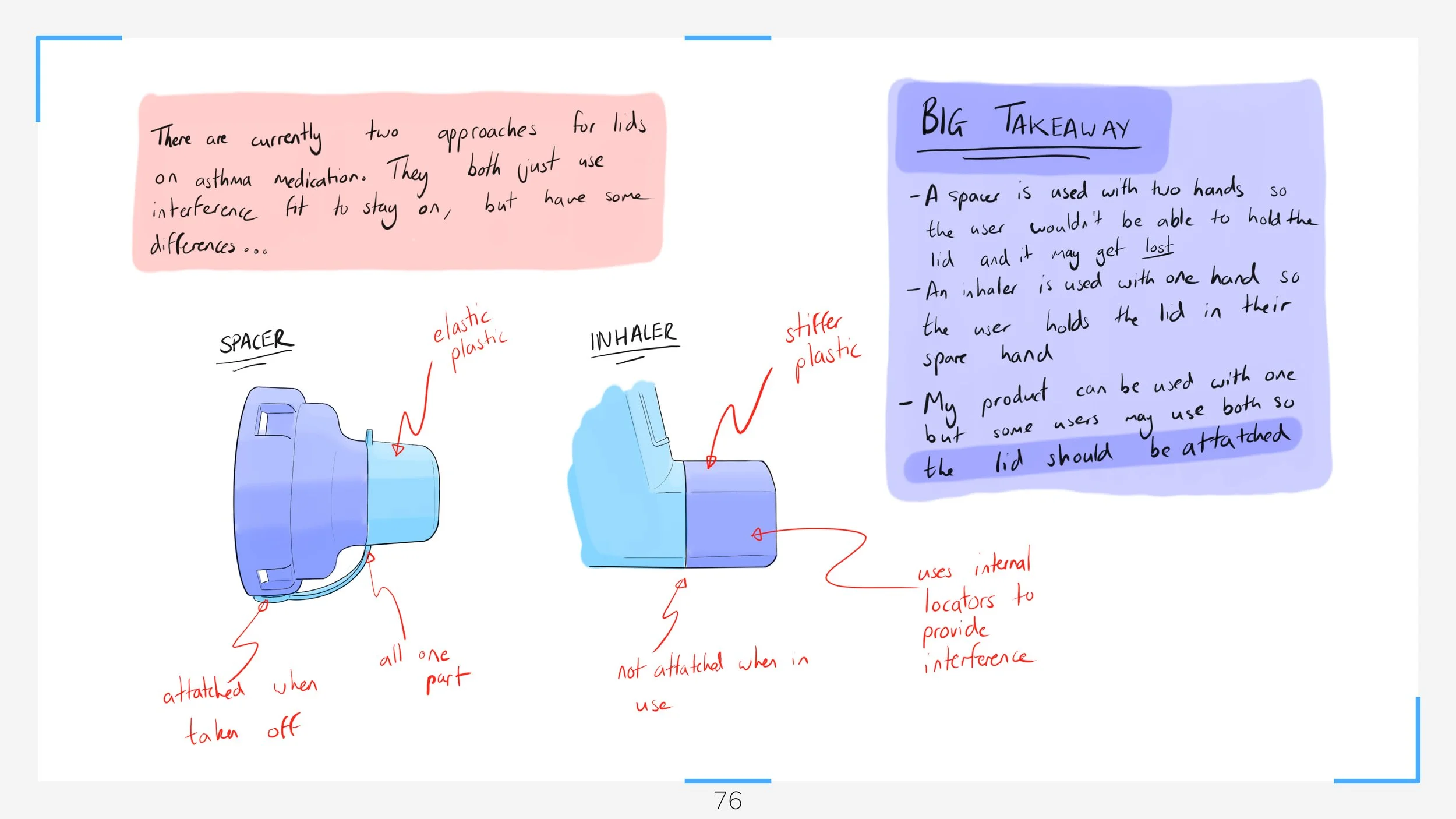
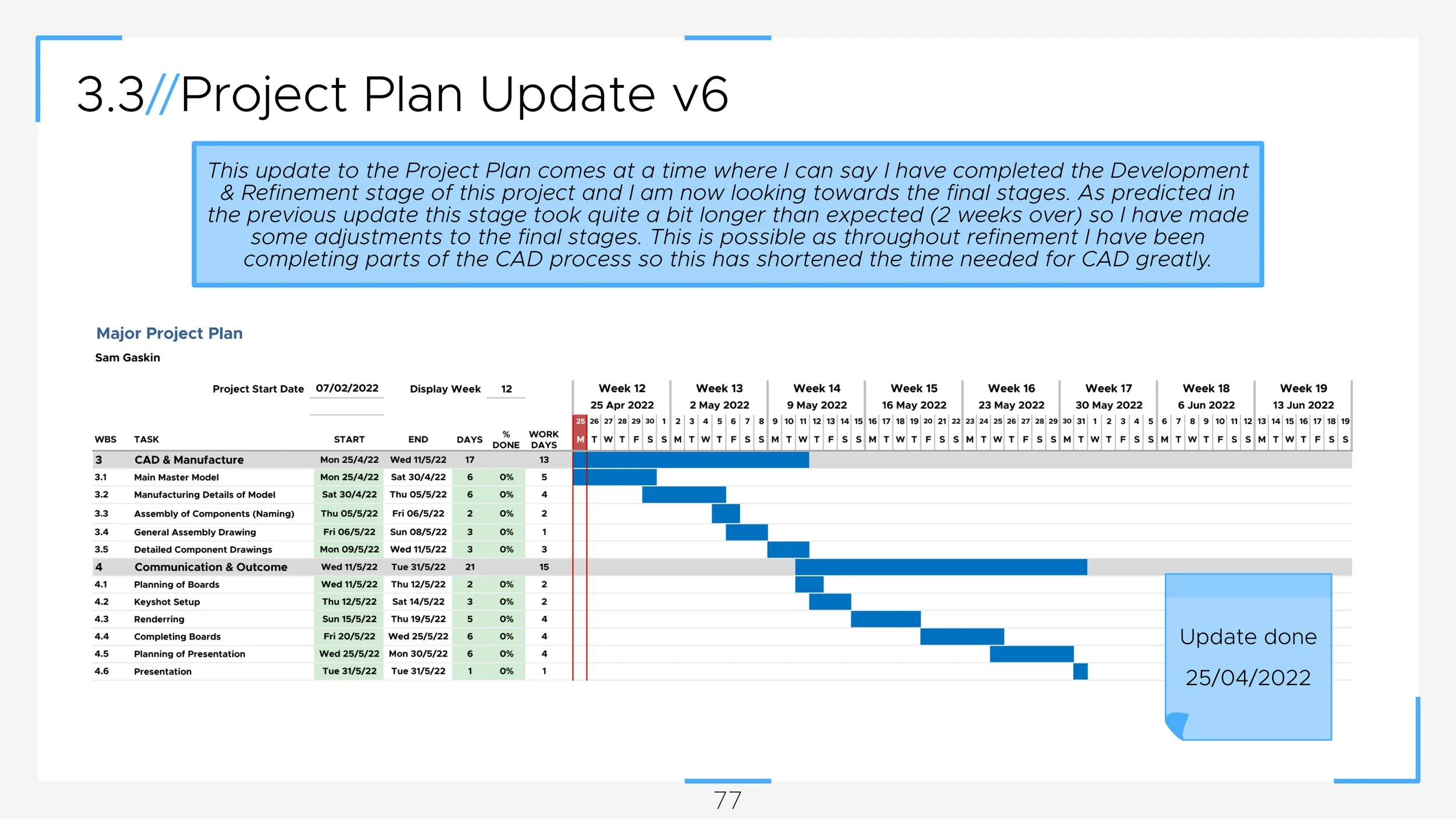
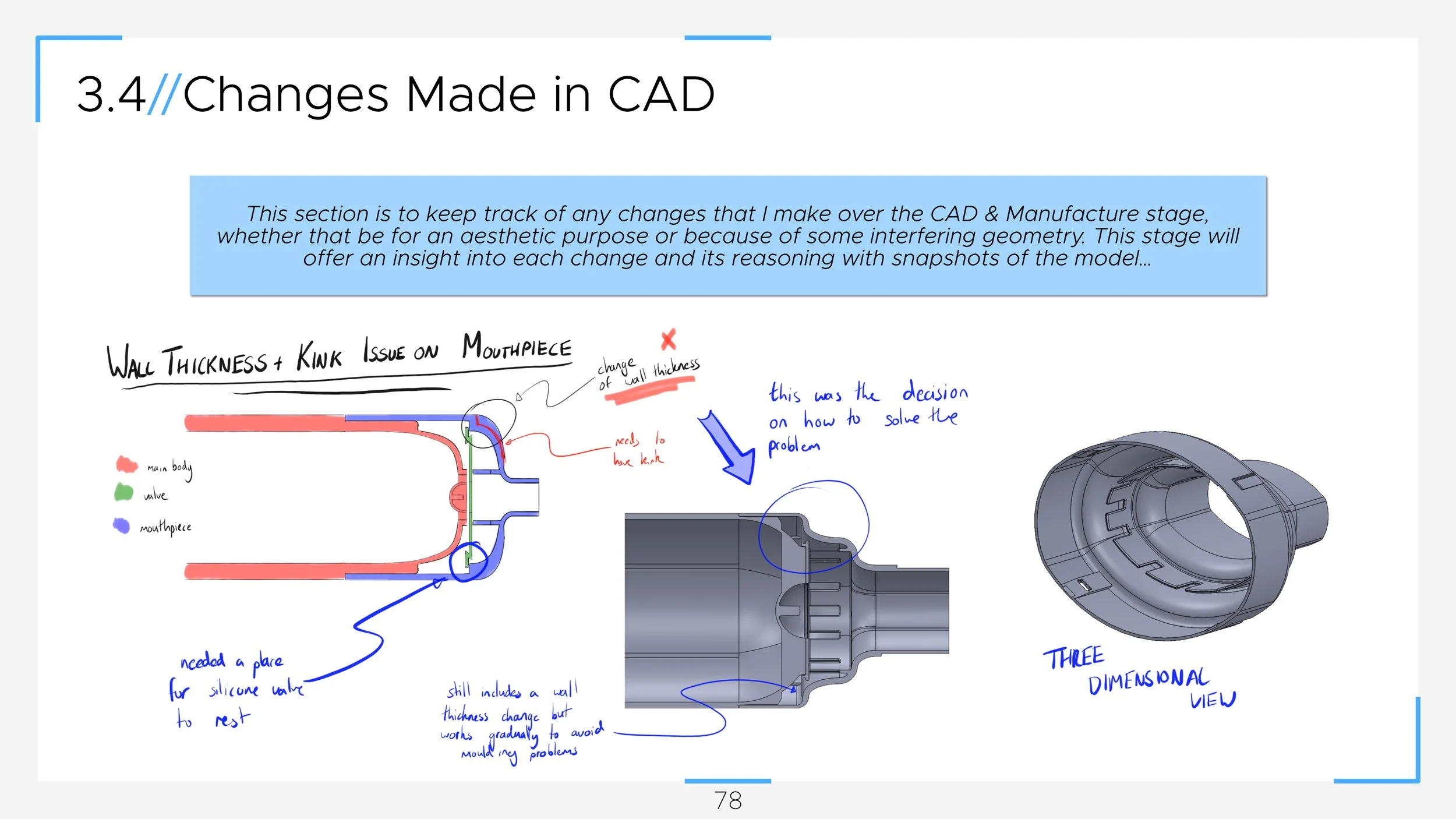

The Final Visuals…
Inhaler//Spacer
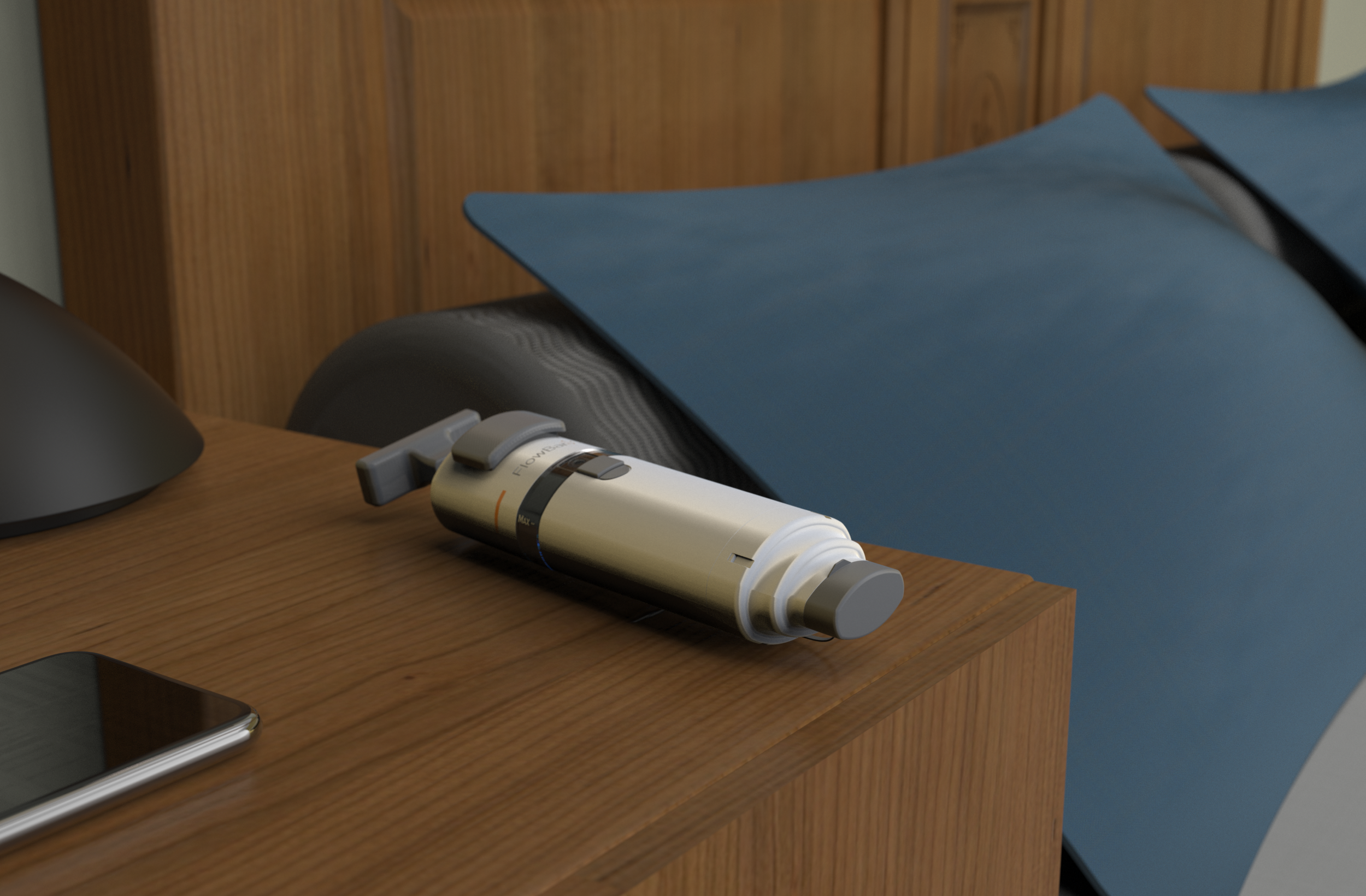
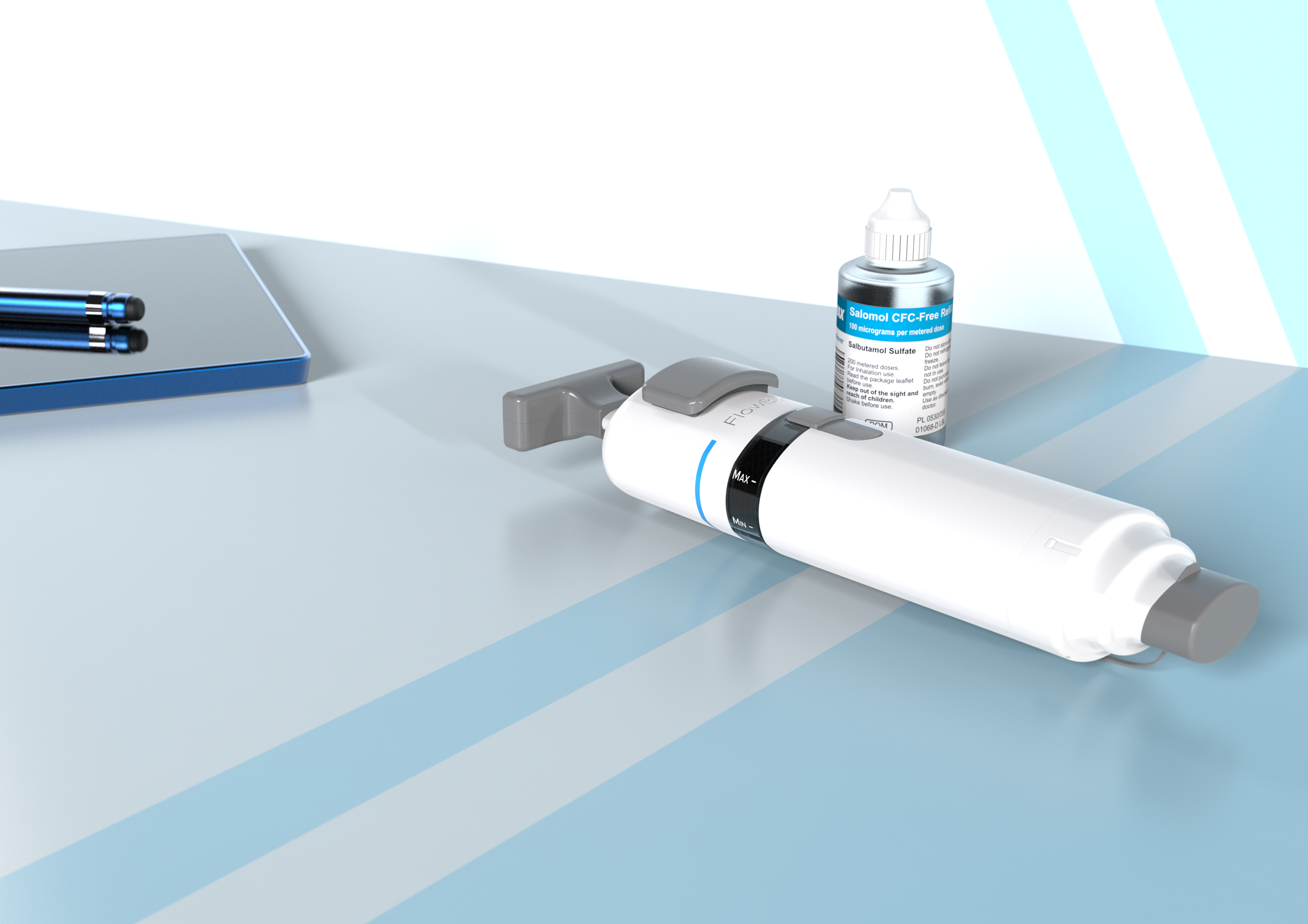
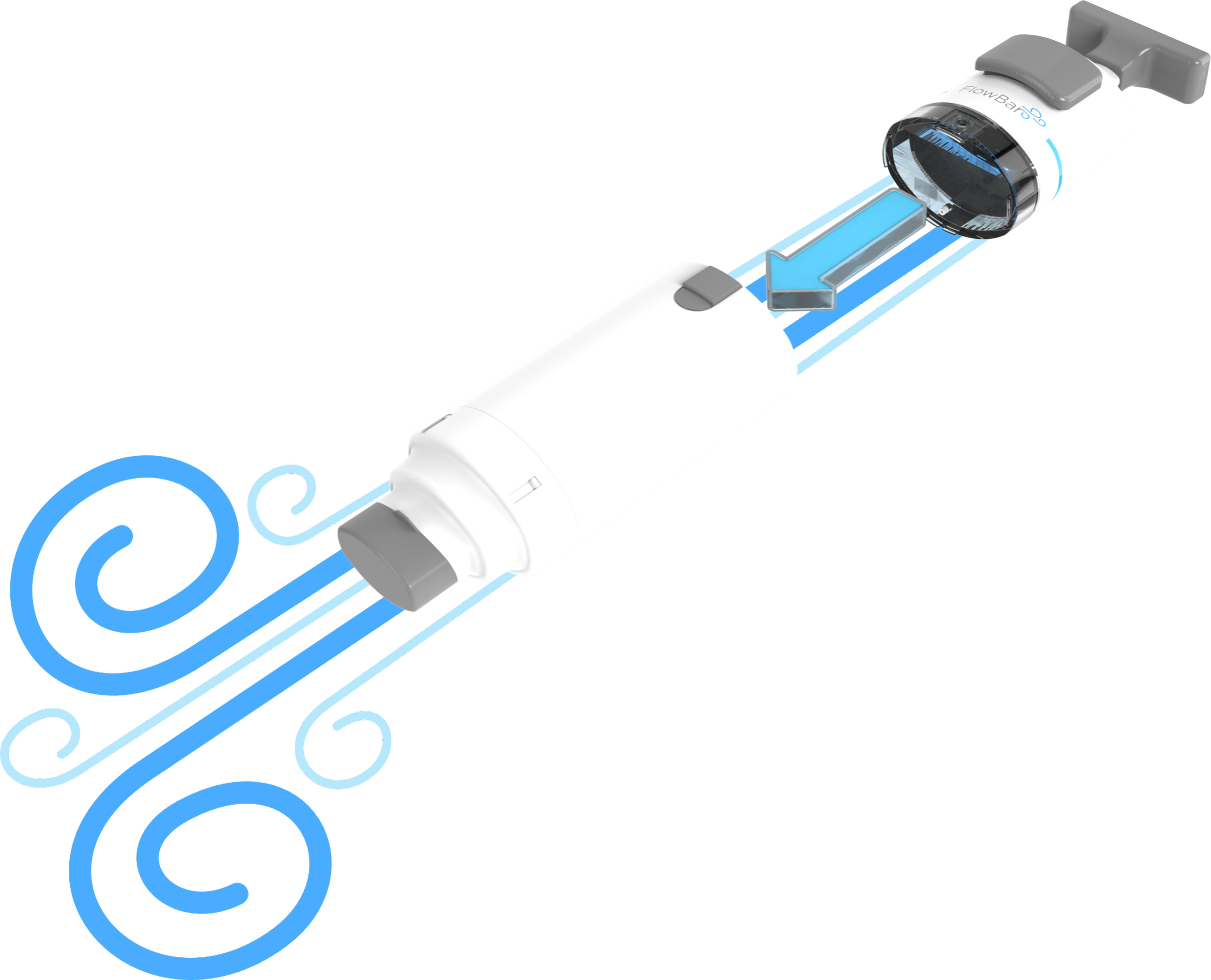
The FlowBar introduces a new approach to asthma medication combining the two common elements into a singular compact product.
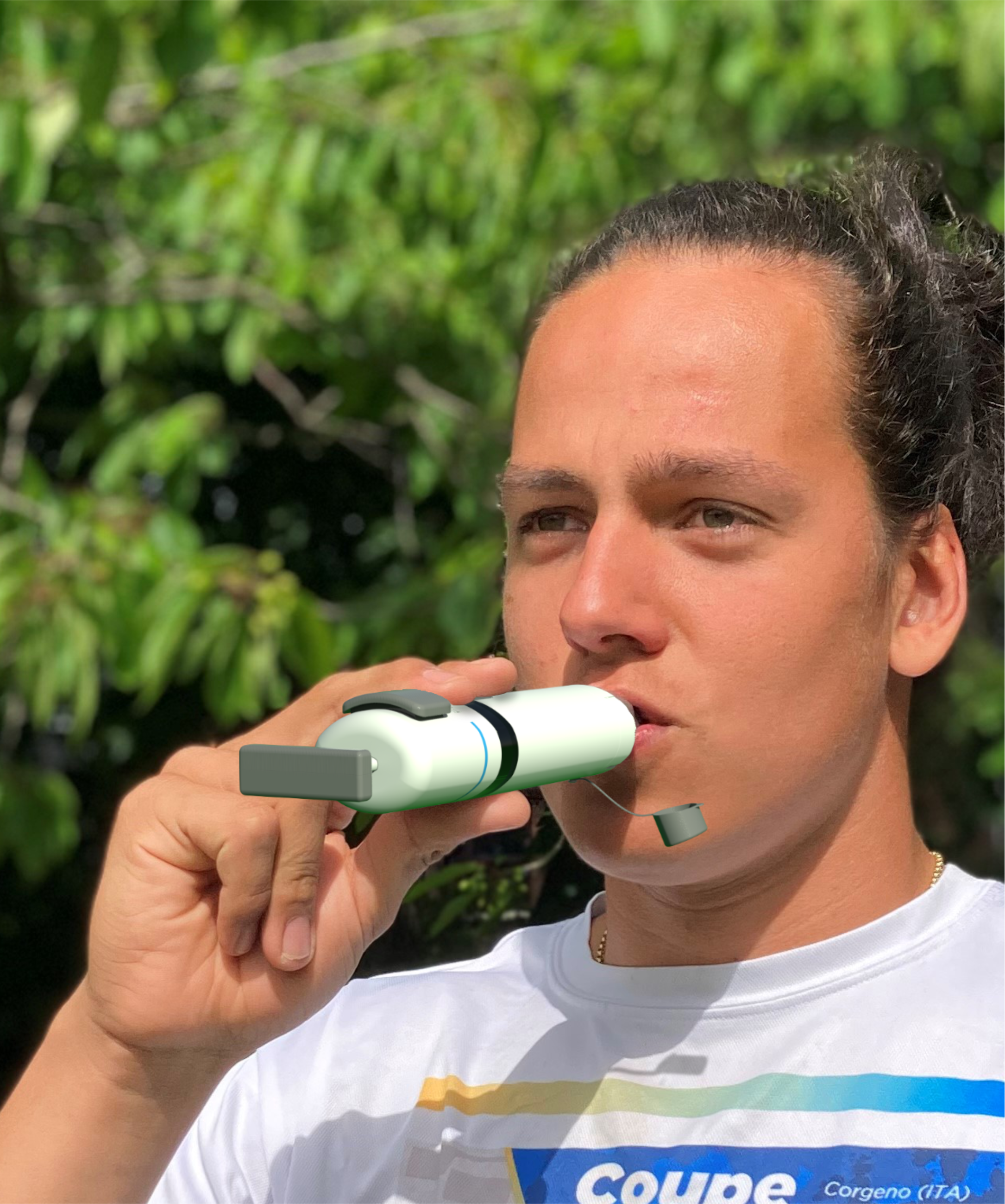
Maximise//Minimise
The FlowBar aims to maximise performance whilst minimising the size of the product. The FlowBar also offers a more reusable solution to minimise waste.


How to use
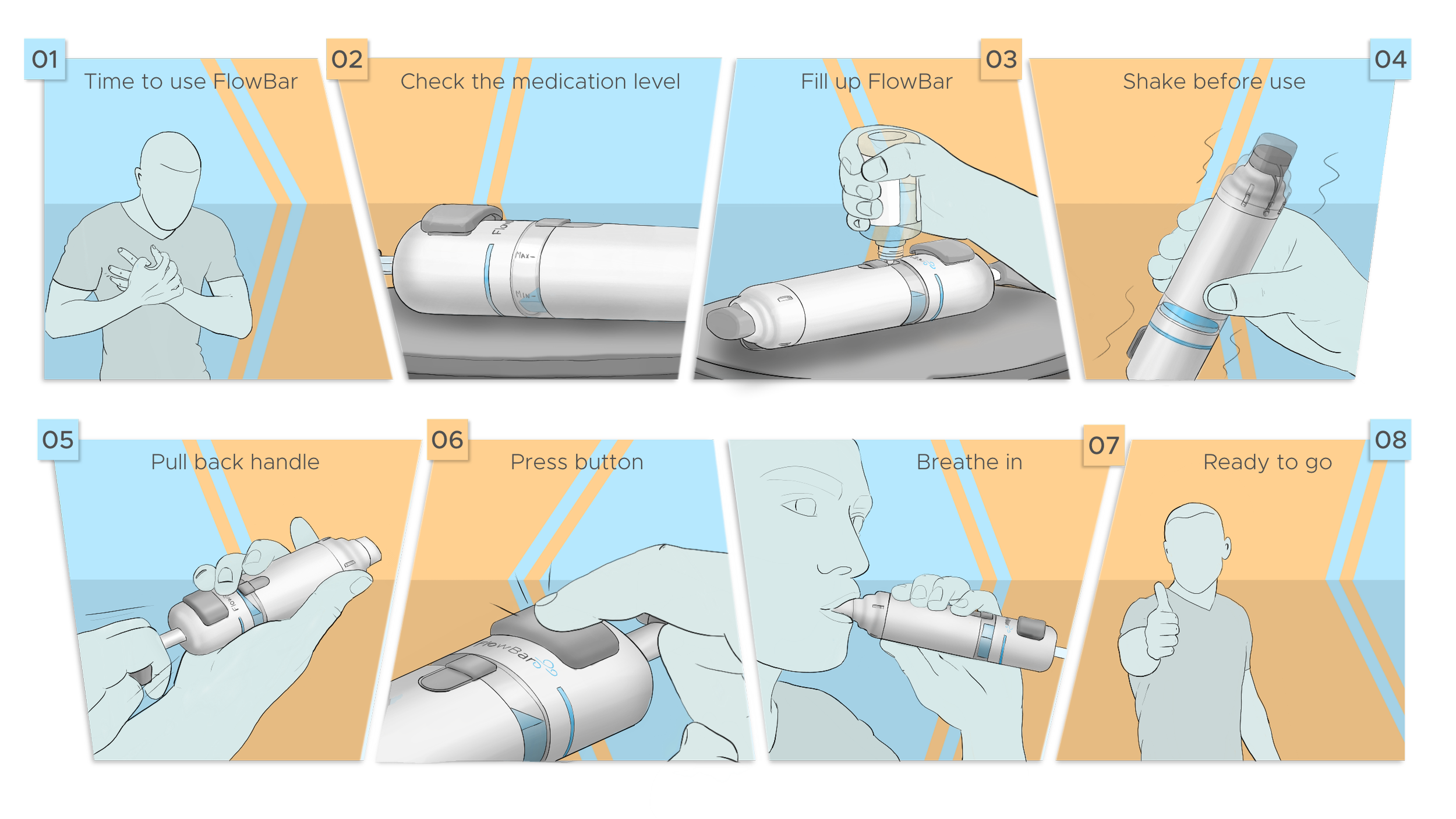
How it works

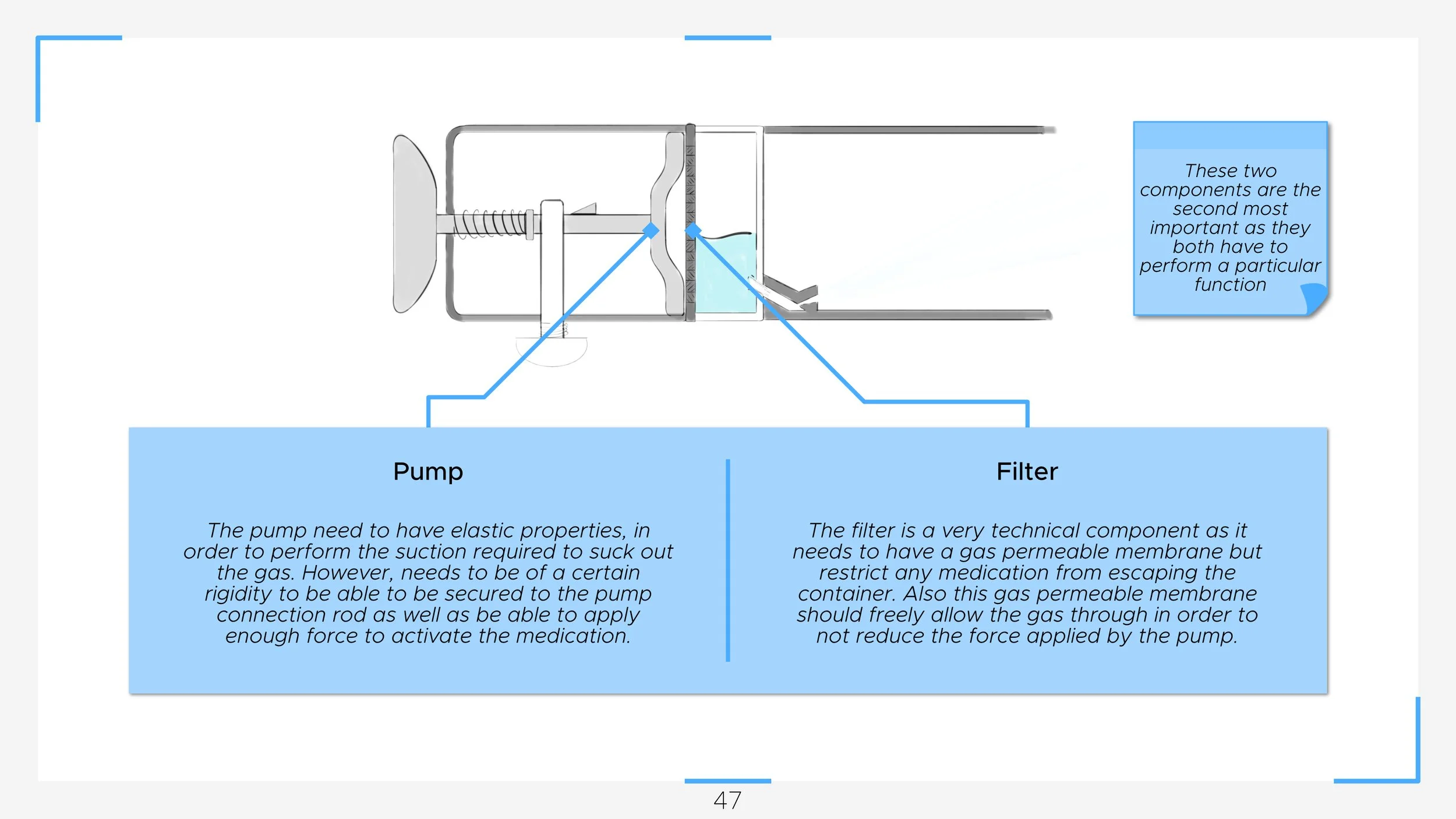
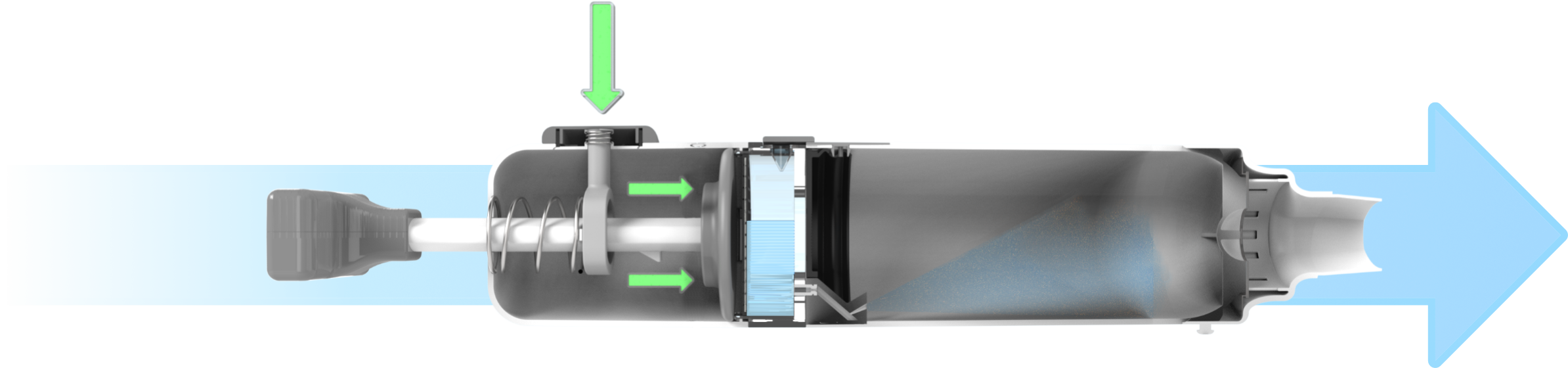
Firstly the handle is pulled back which in turn pumps out infused gas from the medication container through the filter and into the back casing.
The button is then pressed which releases the pump and forces the medication through the metering chamber and out into the spacer as aerosolised particles.
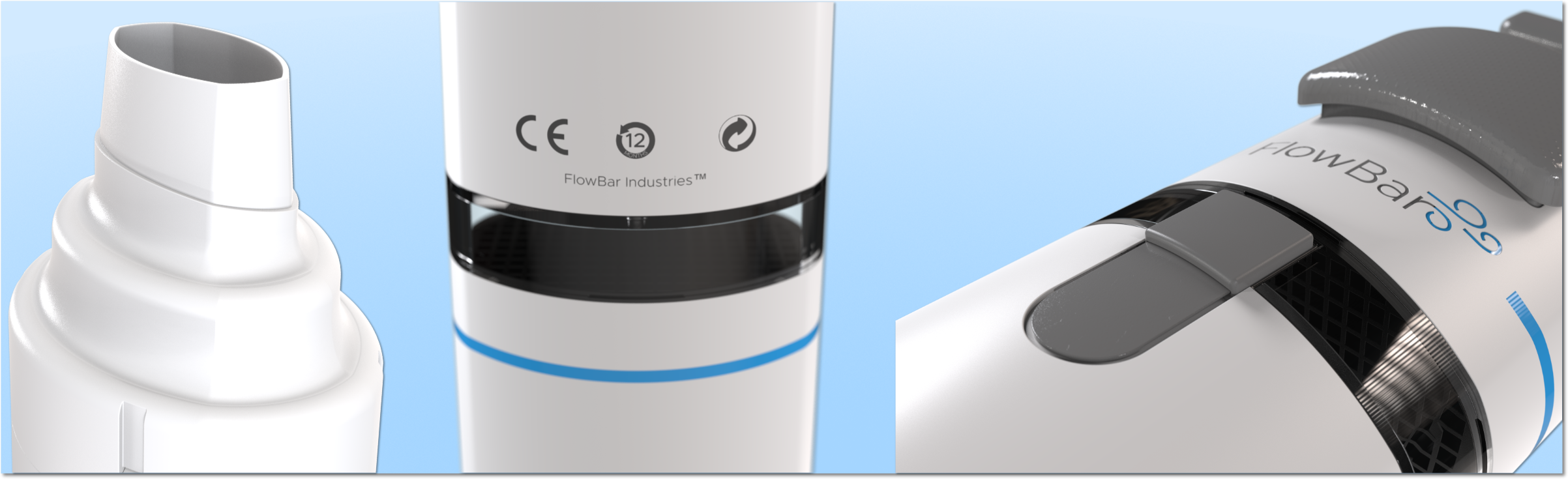
Angled Mouthpiece//
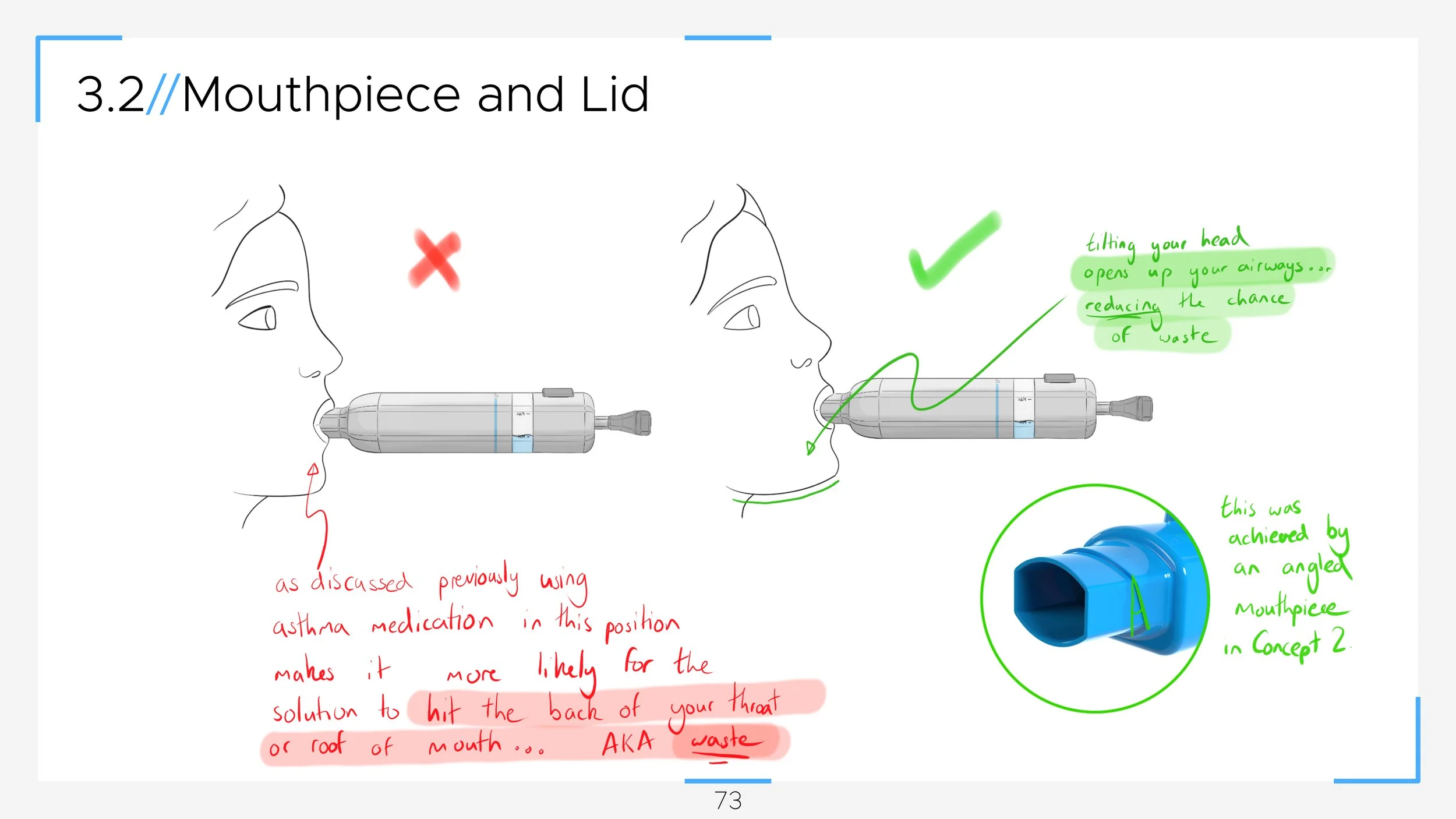
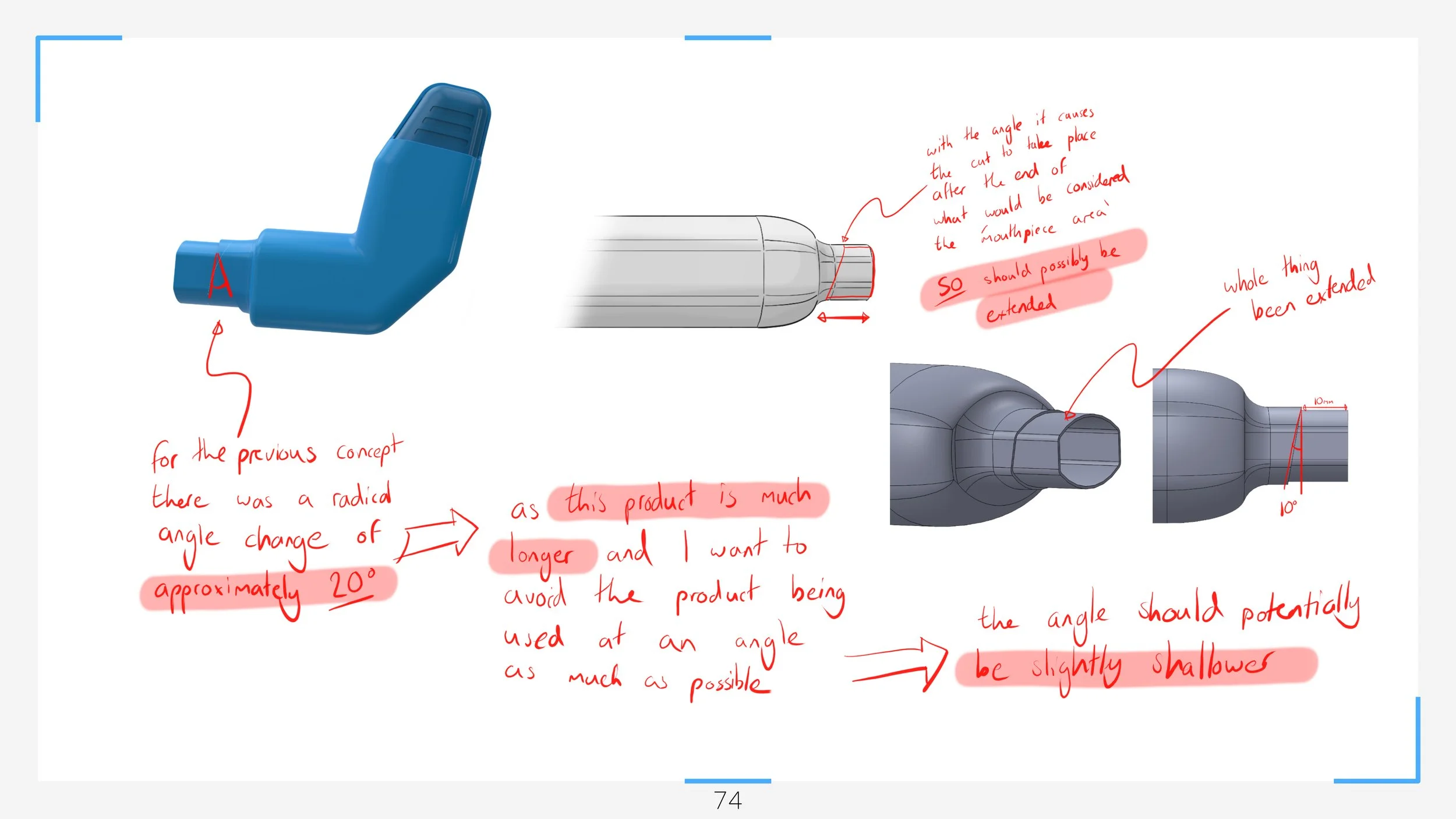
This angled mouthpiece intuitively causes the user to raise their chin when using the FlowBar which helps in opening your airways.
Slider Cover for Medication//
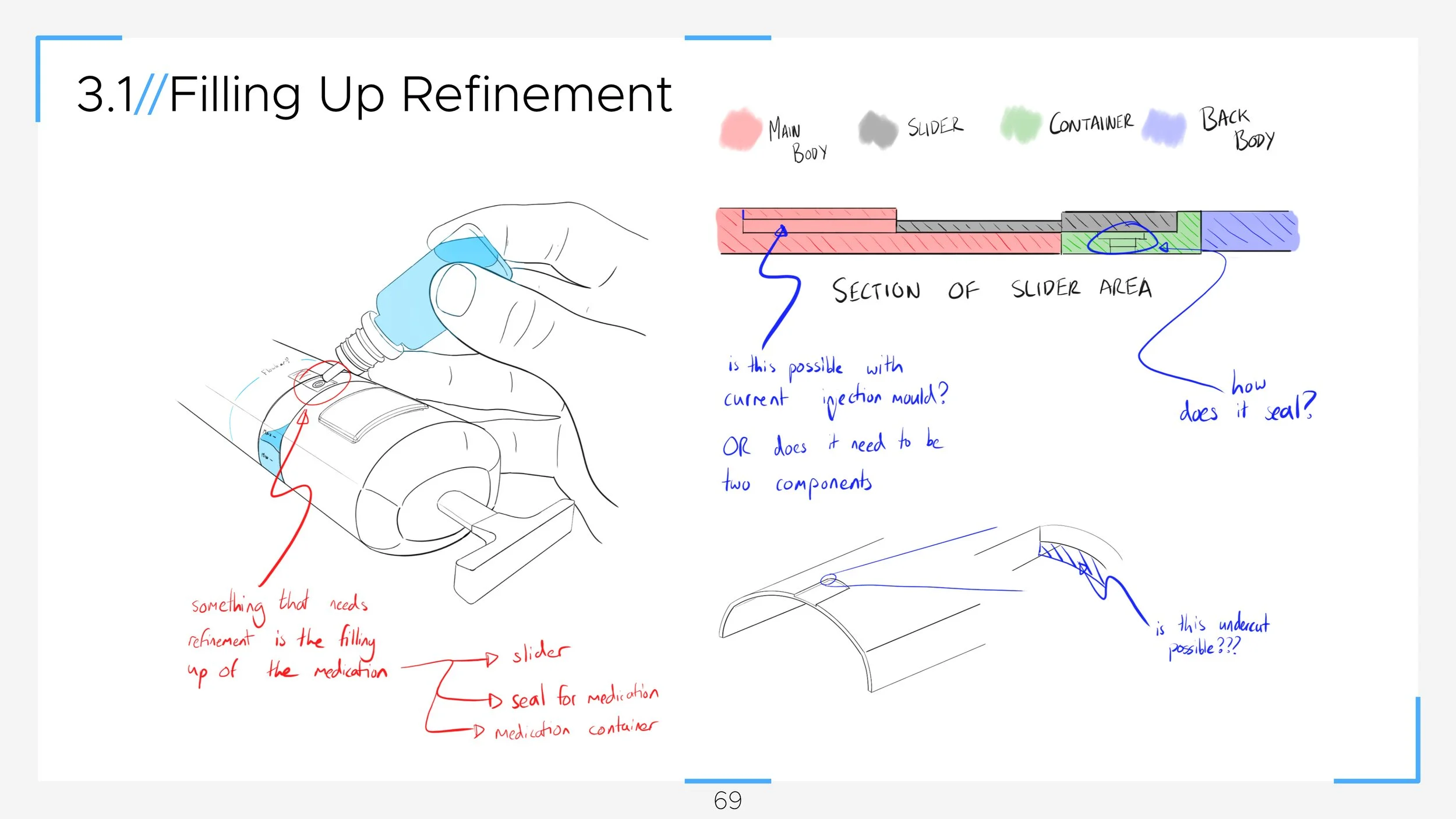
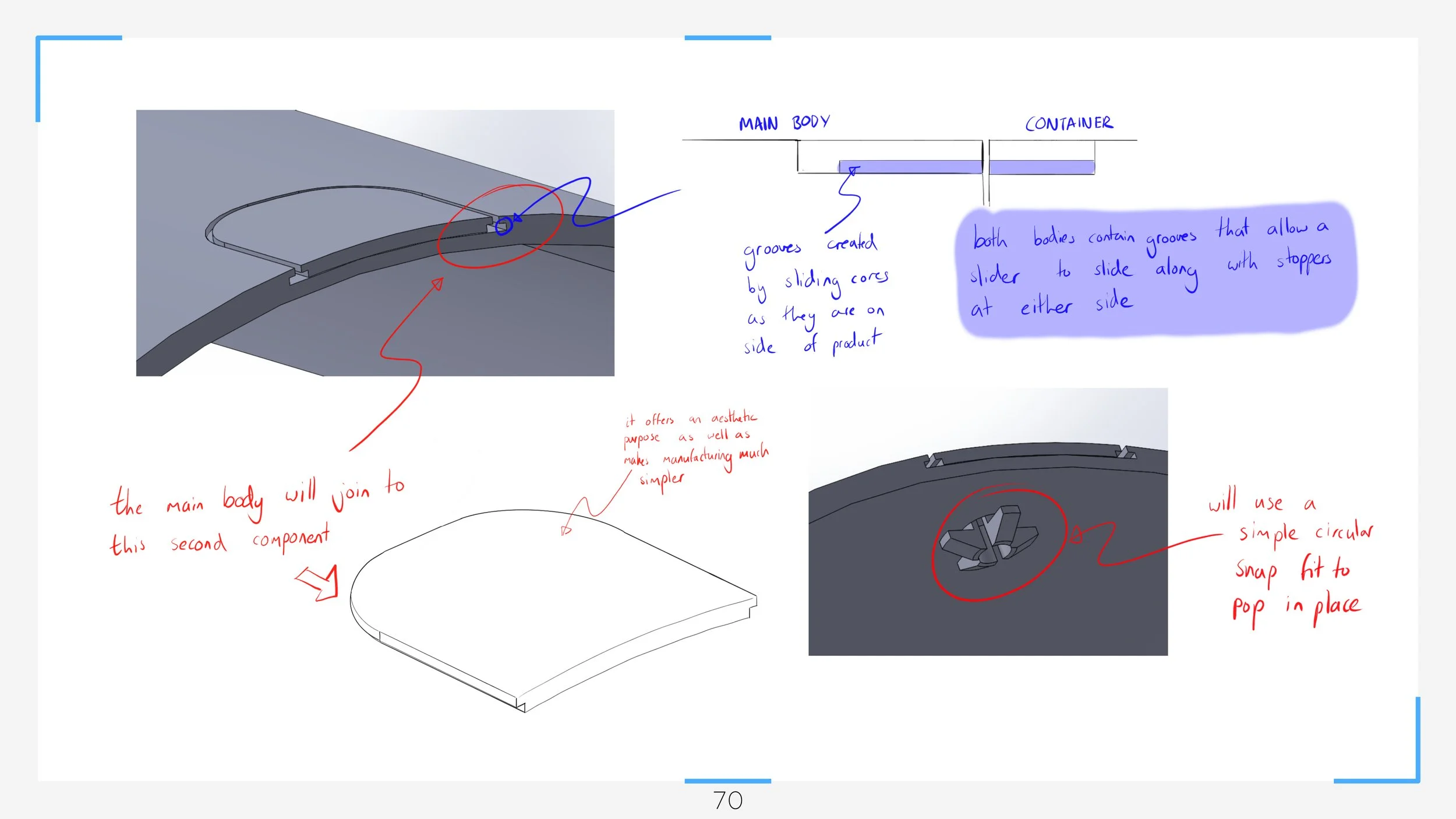
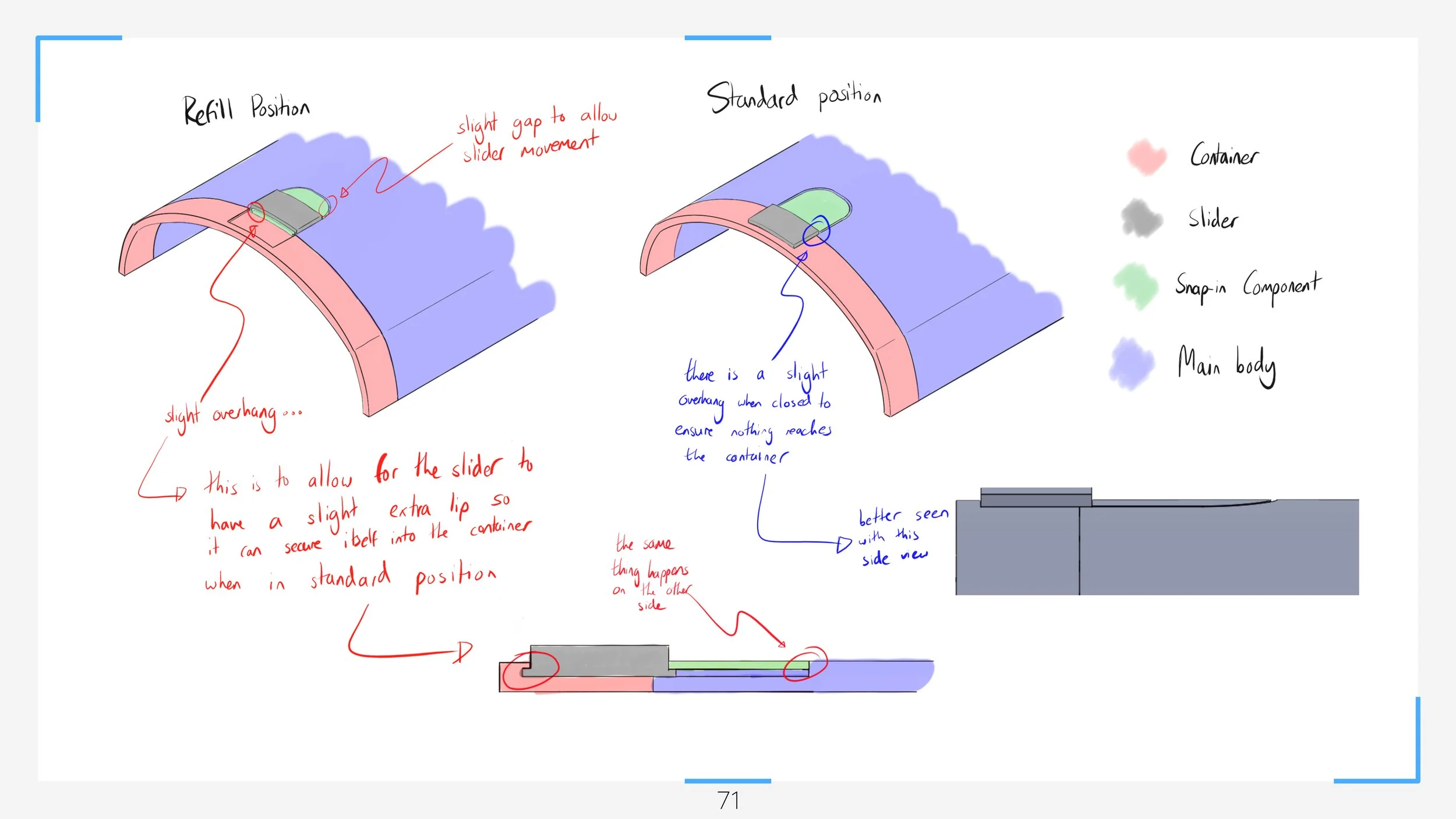
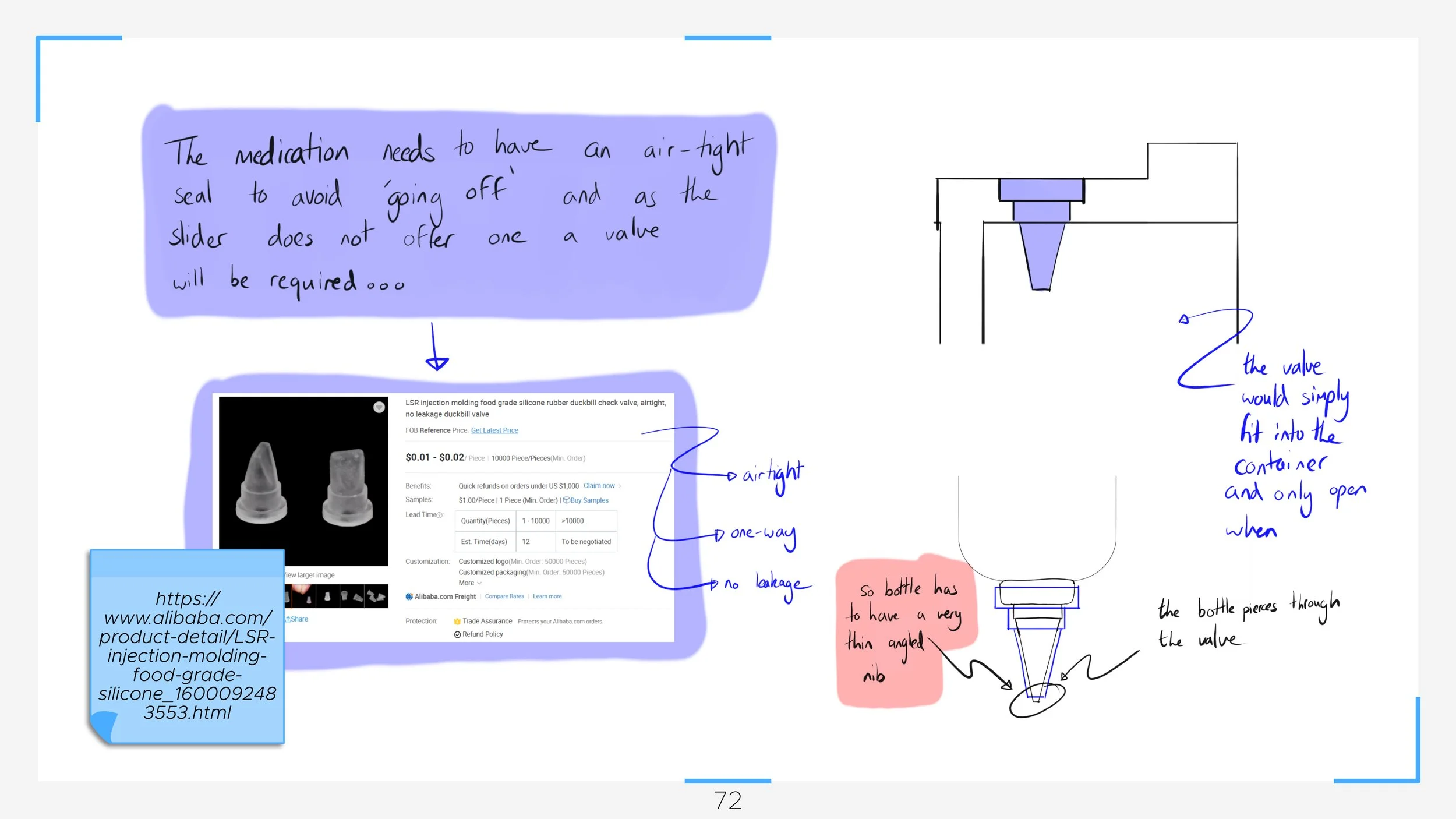
This slider cover is used to ensure that the valve used for filling up is kept away from any contaminants that could spoil the medication.
Markings//
These markings show that the FlowBar has passed the relevant EU legislation's as well as reminders for the products end of life.
Medication//
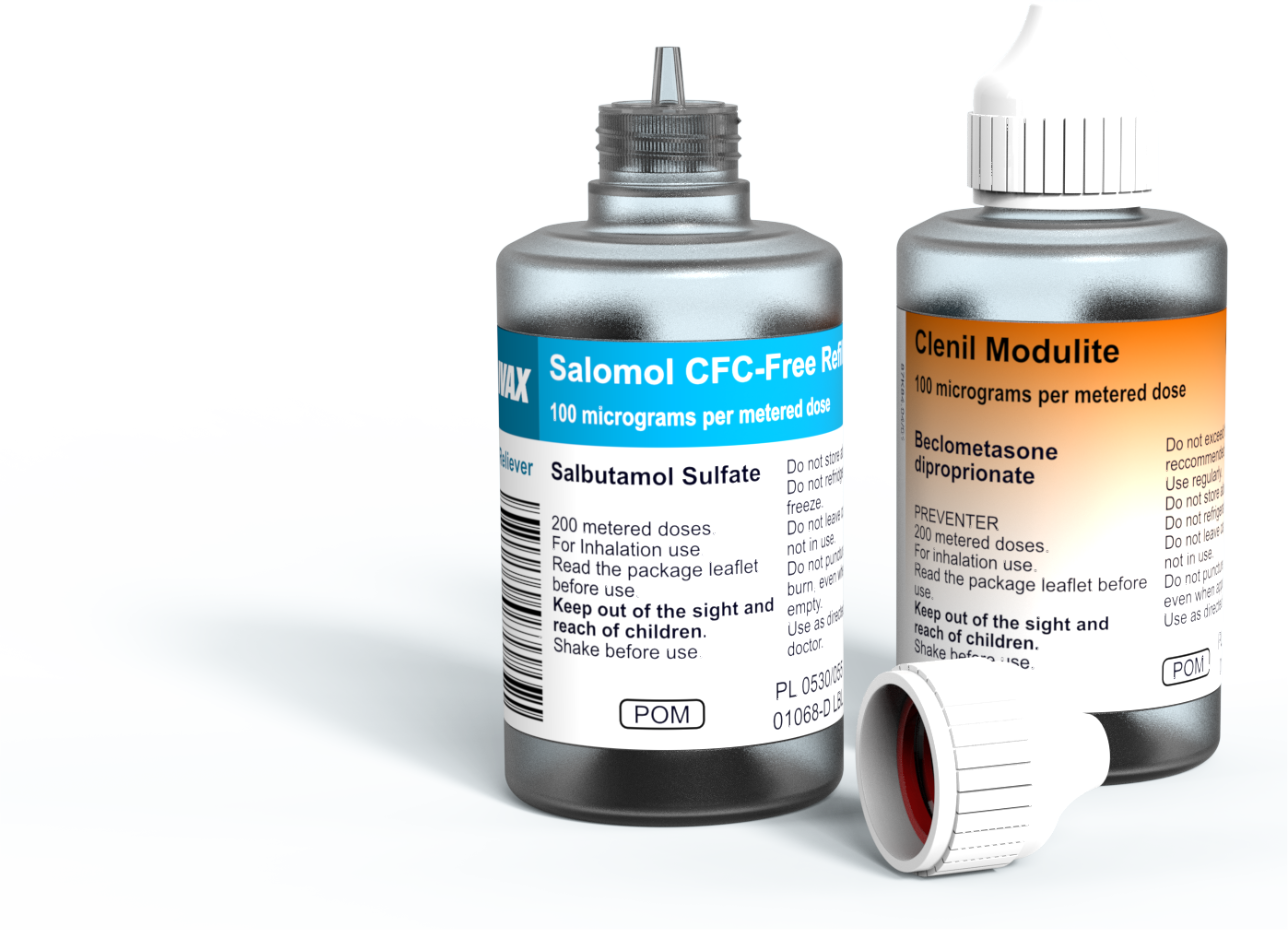
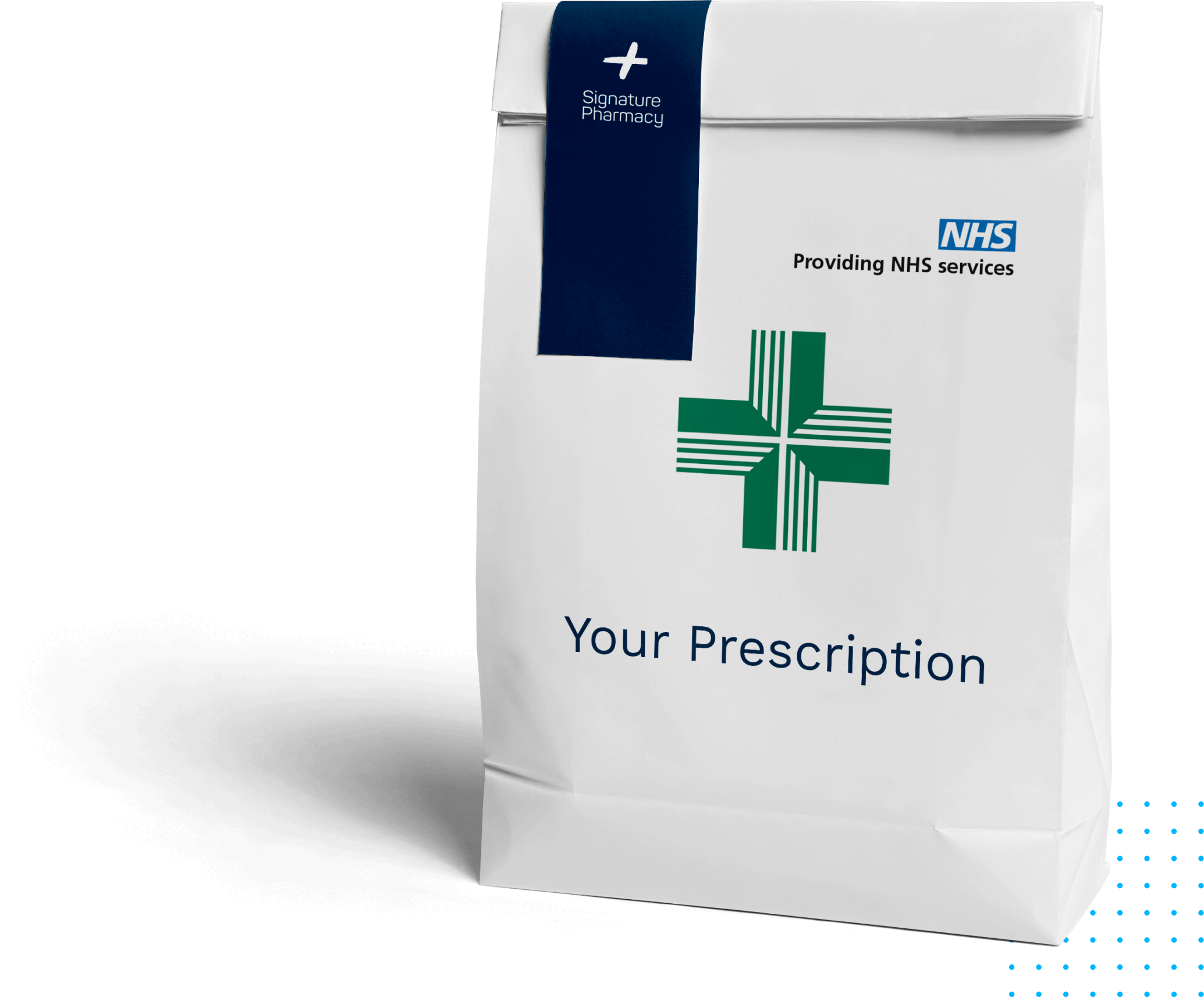
These will be prescribed medication that will be bought at the users local pharmacy, similar to the current inhaler process. They will come as either ‘Reliever’ or ‘Preventer’ formula.
Manufacturing Details
Two Halves Detaching//
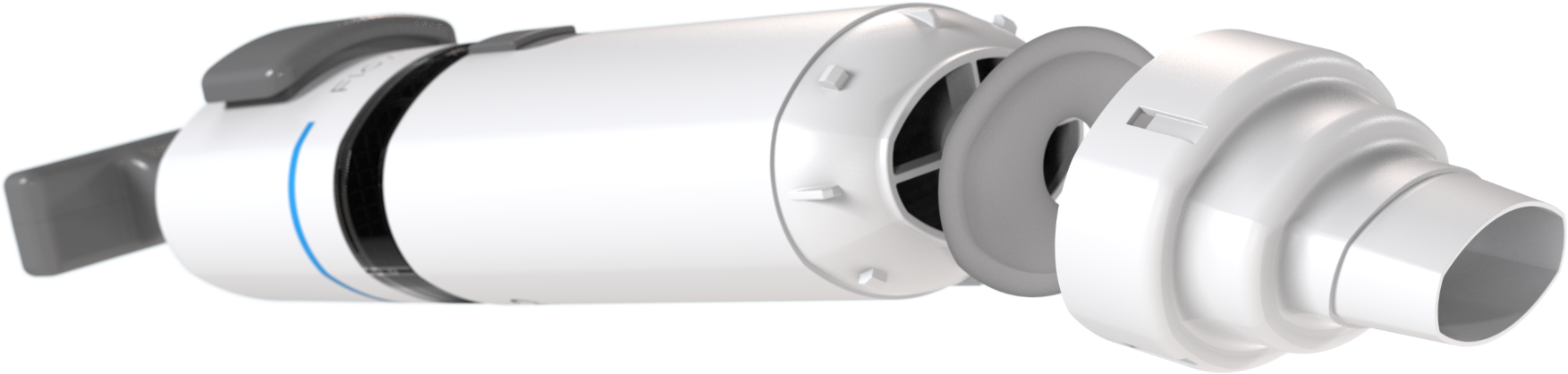
The two halves of the FlowBar detach from one another so the user is able to clean the chamber periodically to maintain an effective dose.

Mouthpiece to Chamber//
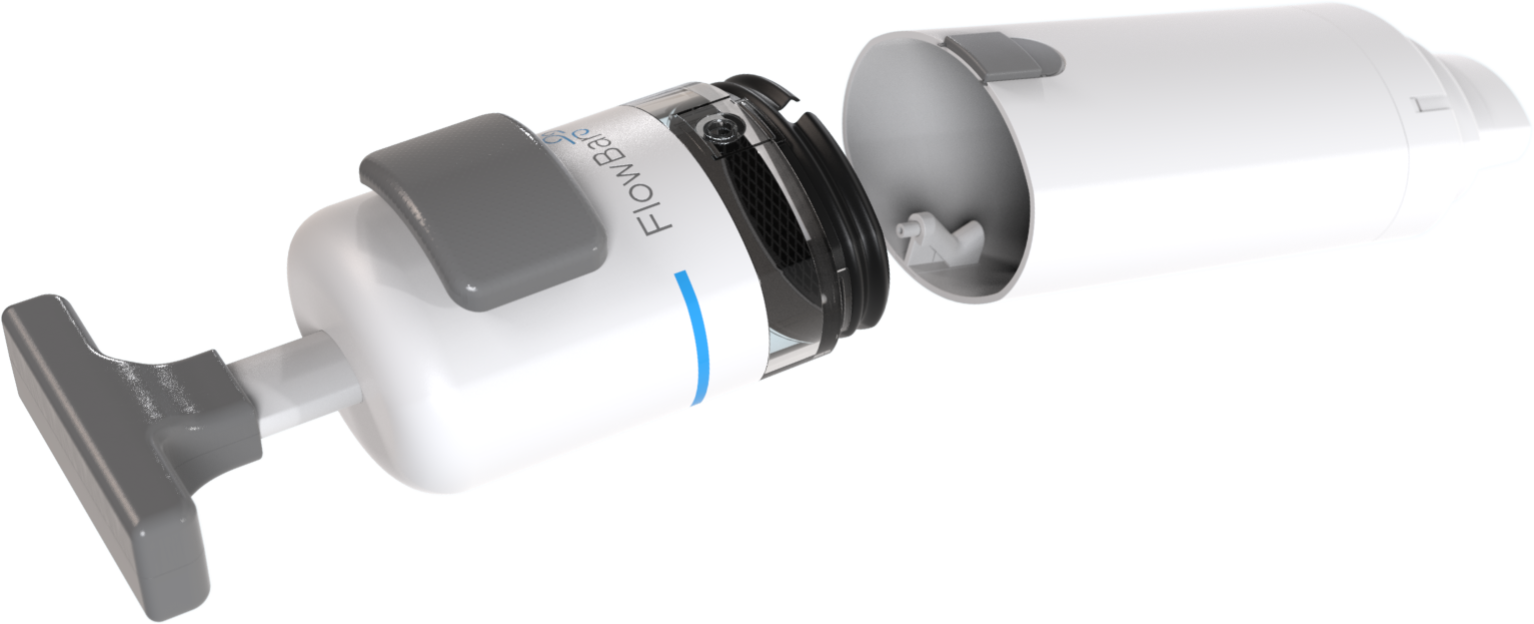
This joining method is inspired by current spacers on the market and works via the use of locators and snap fits at multiple angles.